The Idea of Patronage
Patronage is older than the market. For most of human history, art was not bought and sold as a commodity; it was commissioned by someone with means and a sense of obligation — a ruler, a temple, a wealthy family — and given in return a livelihood, a workshop and a place in society. The relationship between patron and artist was personal, durable and shaped by duty rather than transaction.
In India this idea attained an unusual depth. Patronage was understood not merely as a form of display but as a spiritual and moral act. The Sanskrit tradition of dana, of giving, framed the support of artists, poets and scholars as a form of merit; the ruler who endowed a temple, the poet who composed under a patron's roof, the craftsman who built a shrine — each participated in a shared economy of meaning.
This framing had practical consequences. Because patronage carried moral weight, it was sustained across generations. Families of patrons and families of artists remained bound to one another for lifetimes, producing continuities of craft and scholarship that a purely commercial market could not have generated.
“Art that endures does so because someone, somewhere, decided to sustain it rather than merely to enjoy it.”
Courts, Temples and Merchants
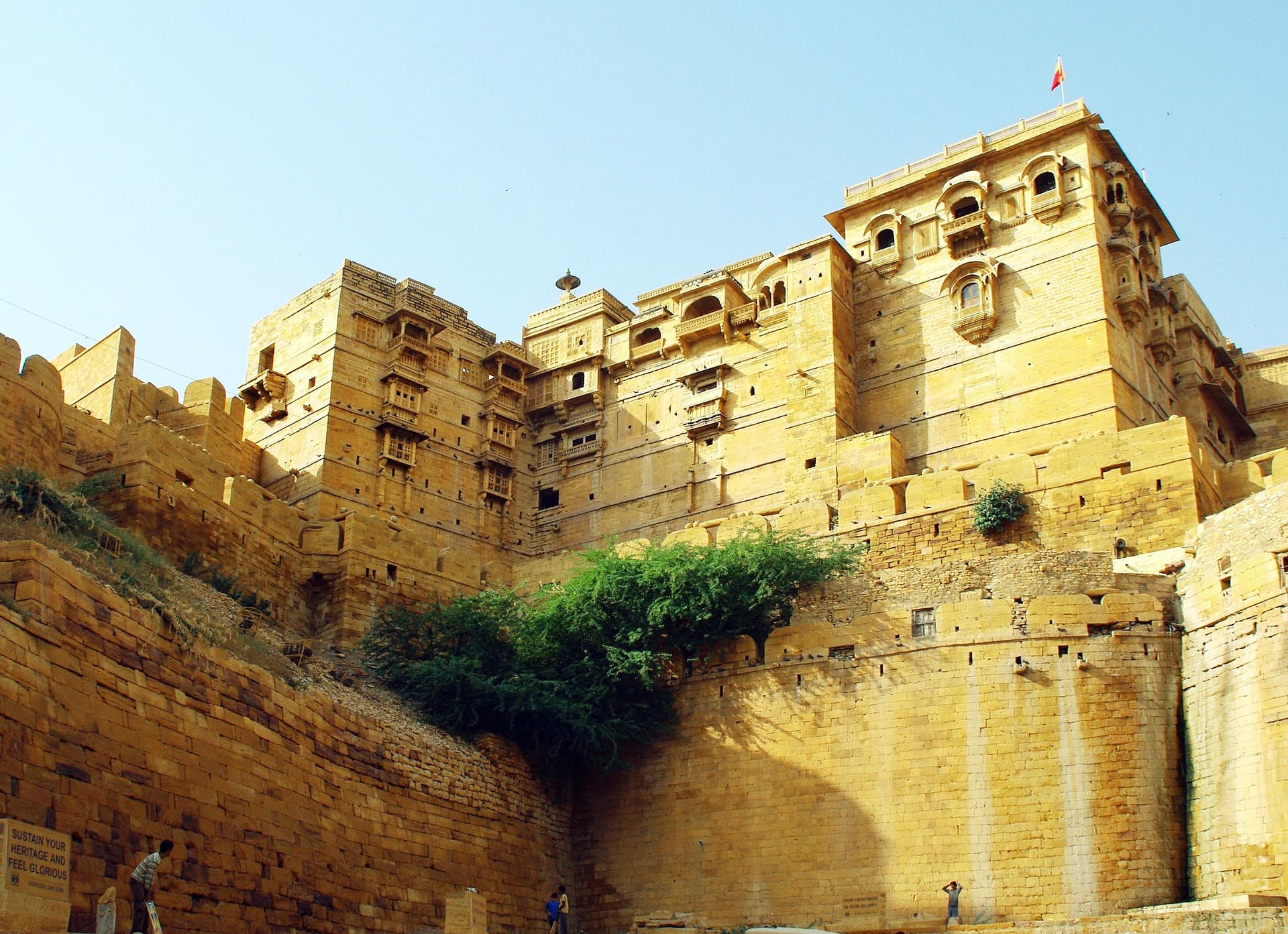
The patrons of Indian art came from three principal sources. The courts were the most conspicuous. A Maharaja's atelier was a standing commission of painters, musicians, dancers, poets and jewellers, its size and quality a measure of the ruler's standing. The Mughal, Rajput and Deccan courts all maintained such establishments, and the art they produced defined their eras.
Temples were, in many regions, the more enduring patrons. Temple trusts funded sculptors, dancers and musicians, and the great temple complexes of the south and the shrine cities of the north functioned as permanent patrons, sustaining traditions — of music, of dance, of bronze casting — across centuries without interruption.
Merchants and banking families formed a third, quieter current. Trading communities, particularly in western and southern India, endowed learning, literature and the arts as an expression of their prosperity and piety, commissioning manuscripts, supporting poets, and building the cultural institutions their wealth made possible.
What Patronage Built
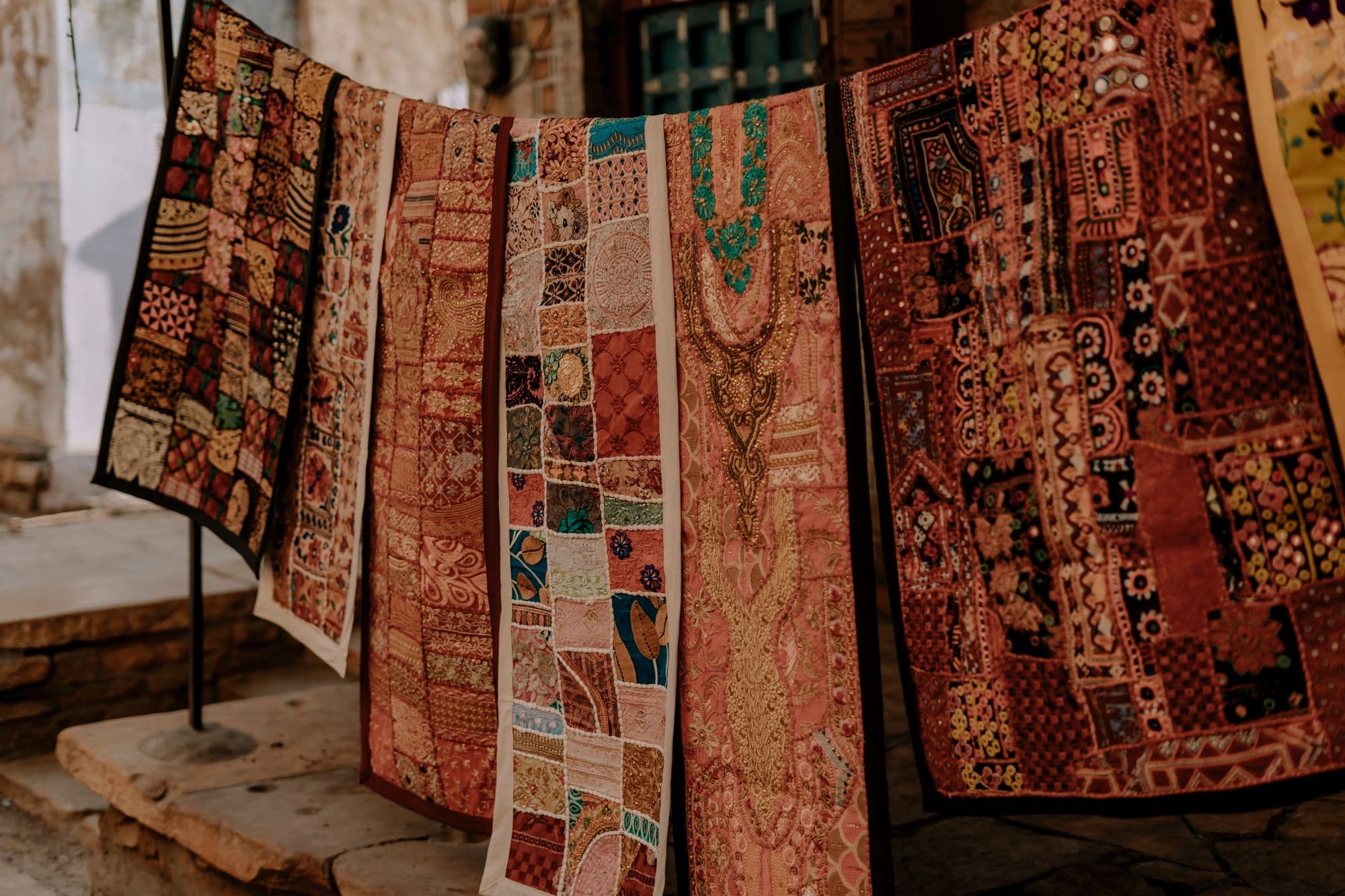
What patronage built is, in effect, the Indian cultural canon. The classical music traditions passed down from guru to disciple, the dance forms refined in temple and court, the schools of miniature painting, the great literatures and the craft lineages — all were sustained by patrons who treated their support as a duty that outlived them.
The model was also remarkably efficient. Because a patron sustained an artist over a lifetime rather than commissioning a single work, knowledge accumulated within a workshop and was transmitted directly from master to apprentice. Quality was maintained not by market competition but by the patron's taste and the artist's honour — two forces, it turns out, more demanding than any price signal.
This is not to romanticise the past. Patronage was hierarchical, and it could be capricious; an artist's fortune rose and fell with the favour of a single patron. But the system's longevity, and the scale of what it produced, testify to its effectiveness as a way of organising artistic life.
“Quality was maintained not by market competition but by the patron's taste and the artist's honour — two forces more demanding than any price signal.”
The Living Model
The tradition of patronage did not end with the princely states. It changed form. The state has become a patron through its academies and cultural institutions. Corporations and foundations fund the arts as an expression of their own standing, much as merchants once did. And a new generation of private collectors and philanthropists has taken up the oldest role of all — sustaining artists directly, in the confidence that culture must be endowed, not merely consumed.
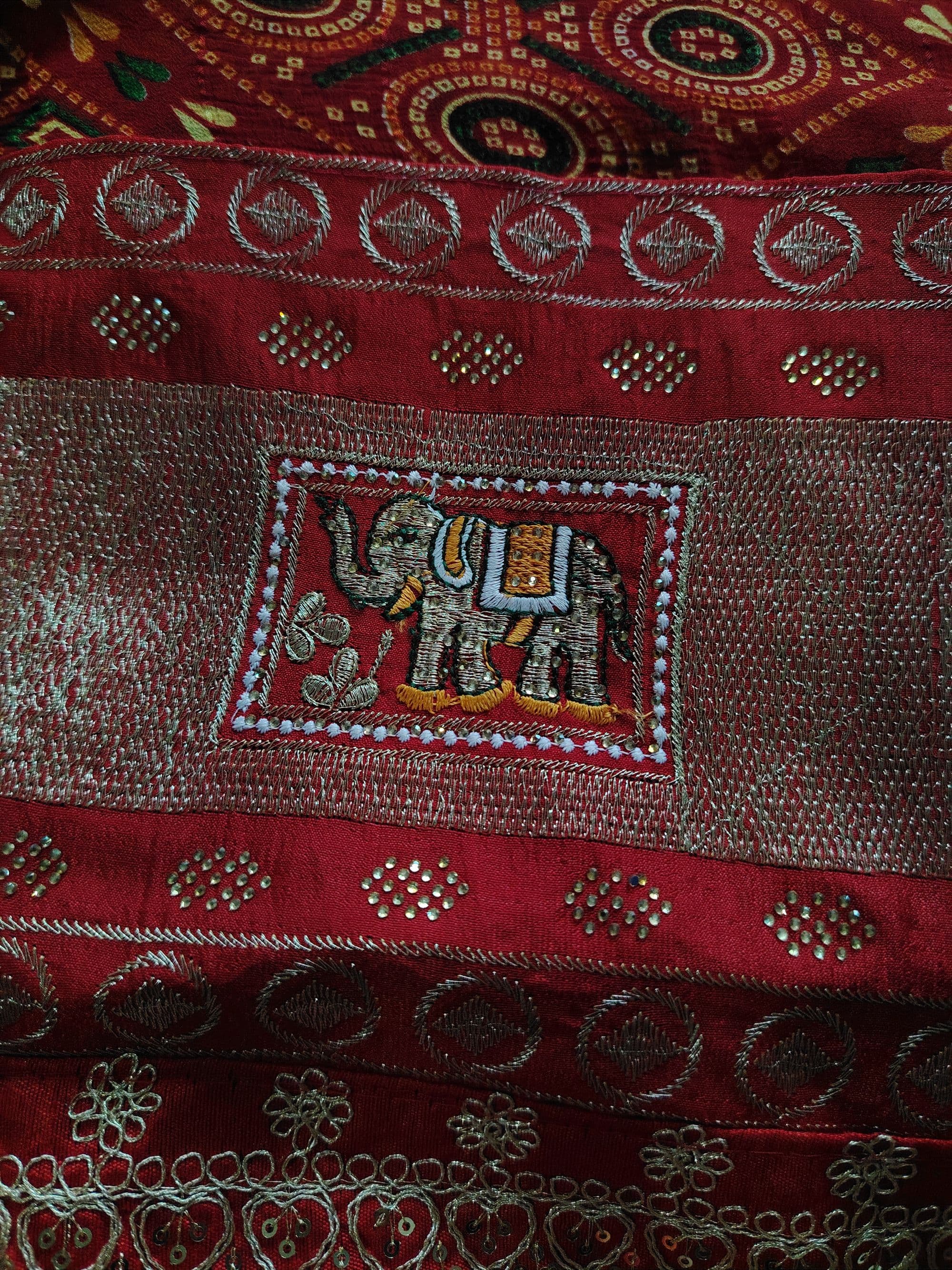
The crafts revival of recent decades is perhaps the clearest continuation. Where once a court sustained a weaving community, today foundations, designers and conscious consumers do — paying for continuity, documenting technique, and ensuring that a lineage of knowledge is not lost to the market's indifference.
The underlying logic is unchanged. Art that endures does so because someone, somewhere, decided to sustain it rather than merely to enjoy it. India's legacy of patronage is the long record of that decision, and it remains the model by which the country's art world, in every era, renews itself.
The Royal Gallerys Perspective
THE ROYAL GALLERYS regards patronage as the foundation of the culture it covers. We write about the courts, temples and families who built India's artistic heritage because they explain how that heritage came to exist — and because their example remains the clearest guide to how it will survive.
We also see our own work as a form of patronage in the broadest sense: the documentation of living traditions, the celebration of their practitioners, and the building of an audience for what they make. To sustain a culture is to pay it attention; that is the form of endowment an editorial institution can offer, and the one we practise.
THE ROYAL GALLERYS is the international magazine for heritage, culture and luxury — documenting the people, places and ideas shaping the worlds of royalty, jewellery, design, travel and contemporary life. Our editorial authority rests on deep engagement with India's cultural ecosystem and a commitment to telling the stories that matter.
For editorial inquiries, story proposals, and partnership discussions, contact our editors at hey.theroyalgallerys@gmail.com.
The Royal Gallerys Editorial
Culture & Luxury Correspondent. THE ROYAL GALLERYS is the international magazine for heritage, culture and luxury — editorial authority on the people, places and ideas shaping our world.
Part of Culture
This article is part of THE ROYAL GALLERYS Culture section — our international editorial destination for culture, heritage and luxury.
Explore All Culture Stories →