The Sponsorship Trap: Visibility Without Credibility
The word partnership is among the most abused in marketing. Most arrangements between brands and cultural institutions are sponsorships — a fee exchanged for a name on a wall, a logo on a programme, an acknowledgment in a press release. The transaction is clean, the value is measurable, and the effect on the audience is close to nil. Audiences have learned to read a sponsor's name the way they read a footnote: present, but not persuasive.
The problem is structural. Sponsorship purchases attention but cannot purchase meaning. A logo beside an exhibition tells the viewer that the brand paid for space; it does not tell them that the brand understands the work, values the institution or shares its purpose. In the luxury market, where the entire value proposition rests on meaning, visibility without credibility is a cost dressed up as a strategy.
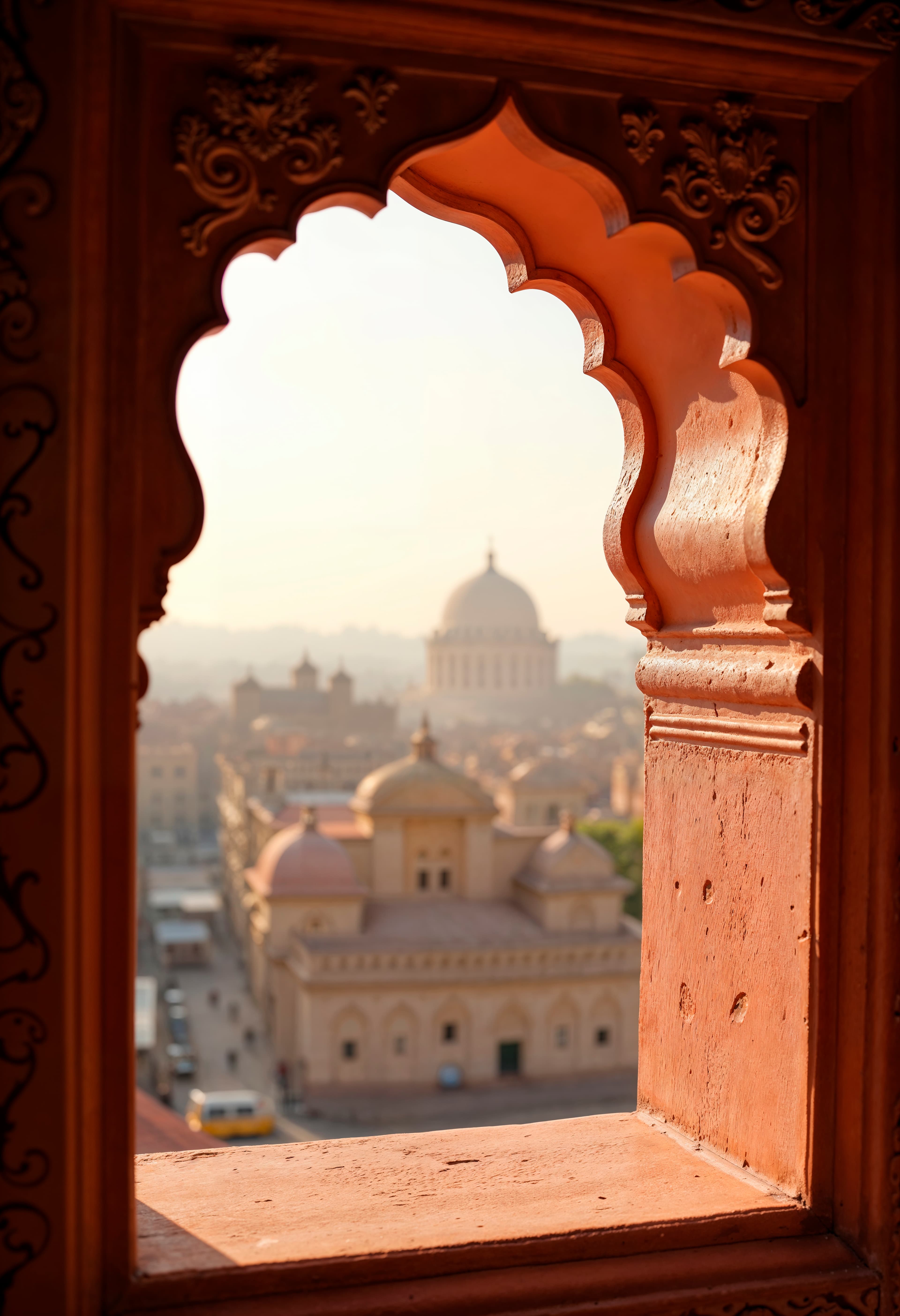
The brands that have moved beyond sponsorship understand that a cultural institution is not a billboard. It is a repository of authority — history, scholarship, craft and taste accumulated over decades or centuries. To associate credibly with that authority requires a different kind of relationship, one built on contribution rather than exposure.
“A sponsorship buys visibility; patronage earns trust — and the difference is visible to every informed reader.”
The Anatomy of Patronage: Restoration, Commission, Exhibition
Credible cultural partnership tends to take one of three forms, and the most enduring houses practise all three. The first is restoration patronage: funding the conservation of a building, a manuscript collection or a craft tradition. Restoration is inherently credible because it is slow, unglamorous and verifiable. A brand that has paid for the stabilisation of a fresco or the digitisation of an archive has done something that can be examined, and that cannot be mistaken for advertising.
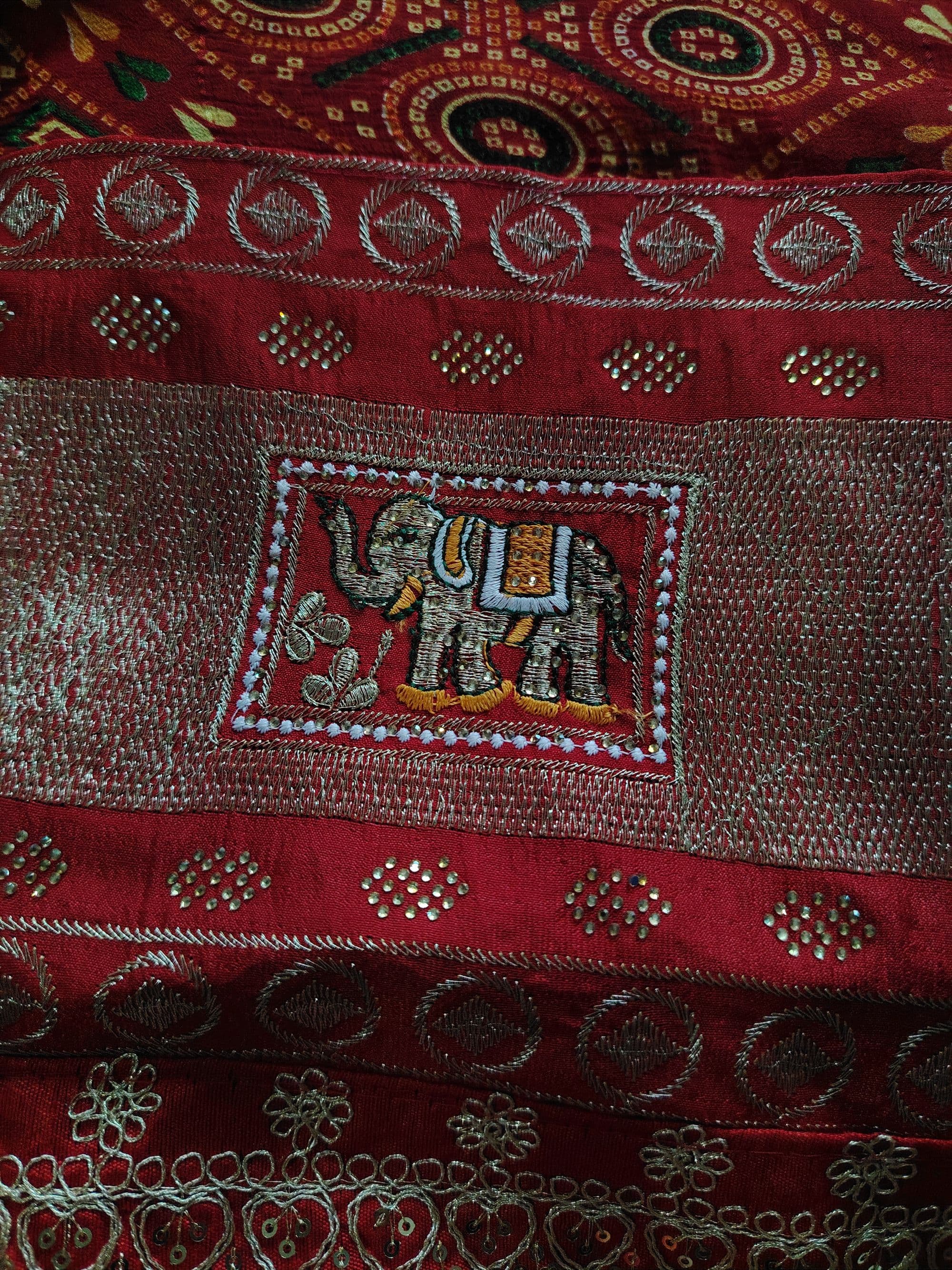
The second form is the craft commission. Here the brand does not borrow a tradition; it engages the people who keep it alive. A fashion house that commissions an embroidery atelier, a watchmaker that commissions a metalworker, a hotel group that commissions a potter — each places itself inside the tradition rather than beside it, and each acquires a story of origin that no competitor can replicate.
The third is the exhibition or programme — not a logo in the lobby but a co-authored presentation, a residency, a publication. What distinguishes the credible version is authorship: the brand contributes knowledge and resources, and the institution retains editorial and curatorial control. When that balance holds, both parties gain authority; when it tips toward the brand, the institution's credibility — and therefore the brand's — begins to erode.

Why Authentic Patronage Outperforms Sponsorship
The case for patronage over sponsorship is not moral but commercial. Sponsorship buys a bounded period of visibility that ends when the fee stops. Patronage buys an association that compounds, because each act of genuine support becomes part of the institution's own story — documented in its catalogues, referenced in its scholarship, remembered by its audiences.
Authenticity also travels. A credible partnership is reported, not merely advertised. Editorial media covers restoration projects, commissions and exhibitions because they are news; a sponsorship banner is not news. This is the multiplier that sponsorship cannot access. The brand's commitment, once documented editorially, reaches audiences who would skip past a paid placement.
There is also a defensive logic. The sophisticated consumer — and the Indian luxury consumer in particular — can distinguish a patron from a sponsor with increasing ease, and treats the latter with polite indifference. In a market where cultural borrowing is scrutinised, the brand that is a verifiable patron is protected in a way the brand that merely buys placement is not.
“A cultural institution is not a billboard; it is a repository of authority that must be engaged by contribution, not exposure.”
Choosing the Right Partner: Institutions and Craft Foundations
The quality of a cultural partnership is set by the choice of partner before any money changes hands. The strongest associations are with institutions whose own authority is beyond question — museums with scholarly reputations, heritage trusts responsible for documented conservation, craft foundations with direct relationships to living artisan communities.
The fit must be genuine, not convenient. A brand whose heritage lies in textiles belongs with the institutions that preserve textile traditions; a jewellery house belongs with the archives and ateliers of court craftsmanship. A mismatch — a watch brand sponsoring a poetry festival with no connective tissue — reads as exactly what it is: a logo looking for a wall.
The most productive partnerships are also the least public, at least in their early stages. They begin with a conversation about what the institution needs and what the brand can genuinely contribute, and only later mature into something worth announcing. The partnerships that fail are the ones that begin with the announcement.

The Royal Gallerys Perspective
THE ROYAL GALLERYS exists to document the meeting of cultural heritage and the luxury economy, and the partnership between brands and institutions sits at the centre of that work. We report on restoration patronage, craft commissions and exhibitions because they are the clearest evidence of which brands are contributing to India's living culture and which are merely borrowing from it.
For the brands, institutions and foundations pursuing credible cultural partnerships, we offer an editorial environment where that work is documented with accuracy and read by an audience that values it. To discuss a partnership or its editorial coverage, contact our team at /advertise. The distinction between a patron and a sponsor is visible to every informed reader; the choice between them is the decision that defines a brand's cultural standing.
THE ROYAL GALLERYS is the international magazine for heritage, culture and luxury — documenting the people, places and ideas shaping the worlds of royalty, jewellery, design, travel and contemporary life. Our editorial authority rests on deep engagement with India's cultural ecosystem and a commitment to telling the stories that matter.
For editorial inquiries, story proposals, and partnership discussions, contact our editors at hey.theroyalgallerys@gmail.com.
The Royal Gallerys Editorial
Culture & Luxury Correspondent. THE ROYAL GALLERYS is the international magazine for heritage, culture and luxury — editorial authority on the people, places and ideas shaping our world.
Part of Culture
This article is part of THE ROYAL GALLERYS Culture section — our international editorial destination for culture, heritage and luxury.
Explore All Culture Stories →