The Court as Collector
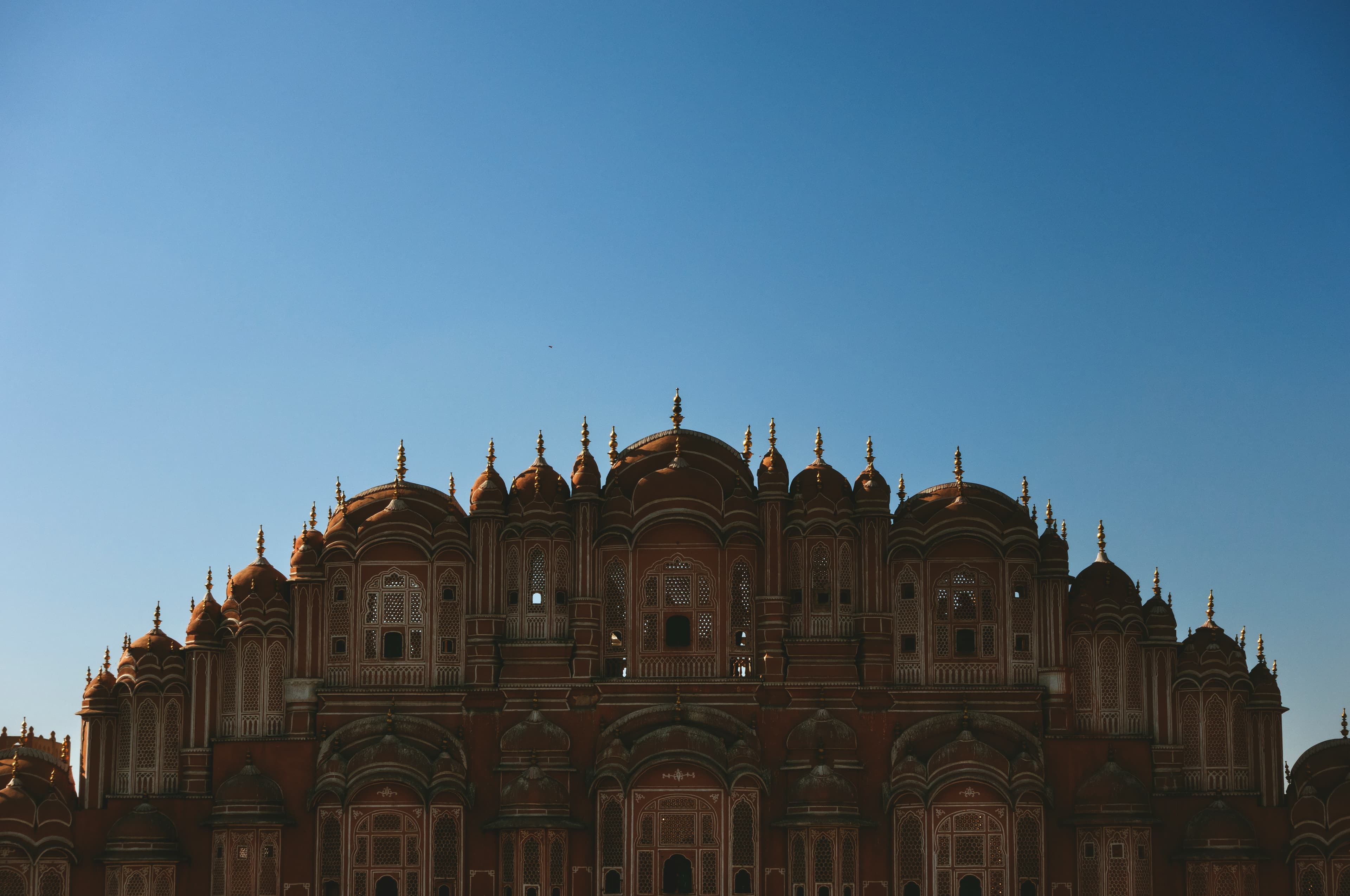
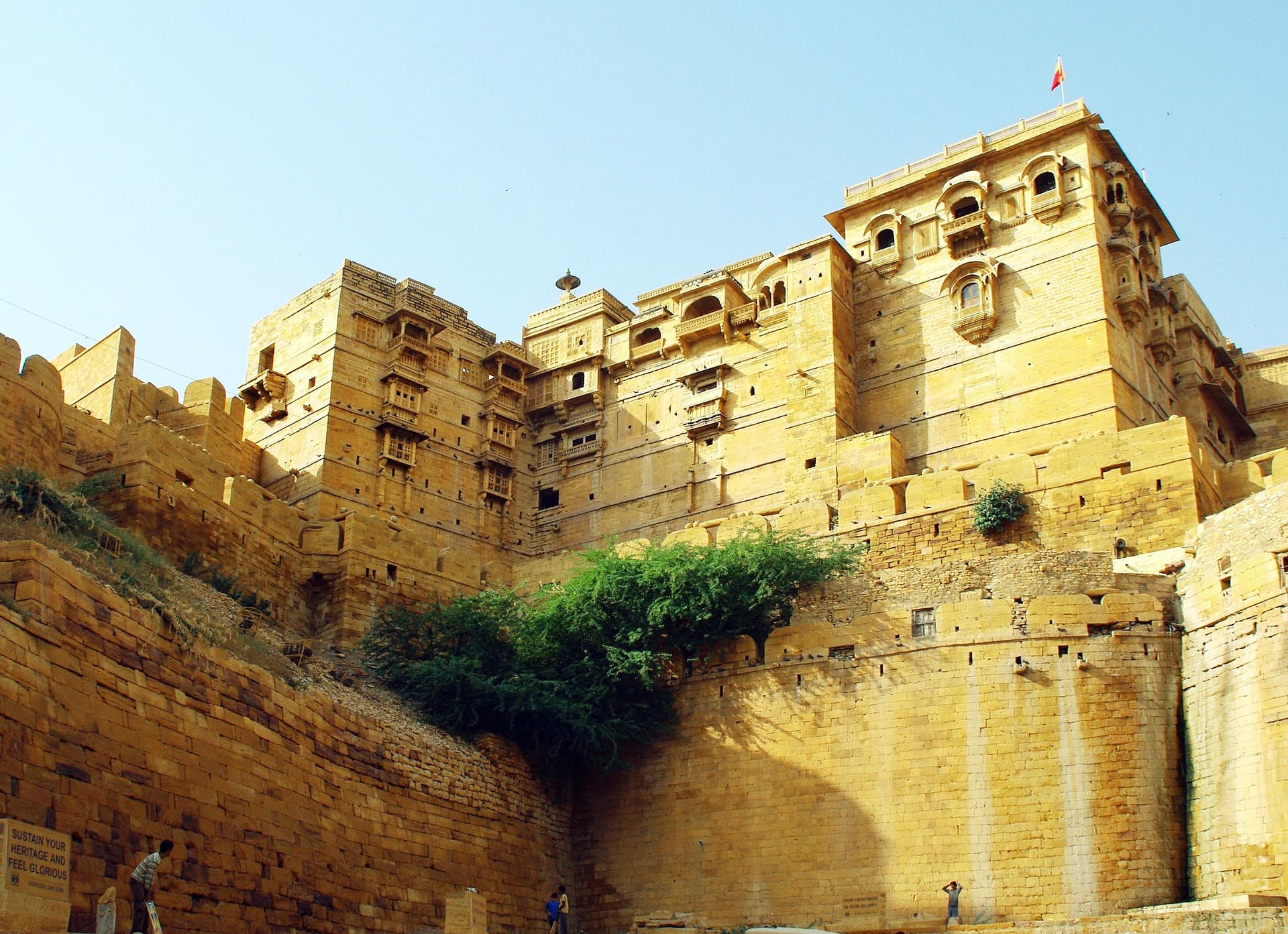
For centuries, the most important collectors of art in the Indian subcontinent were not dealers or museums but courts. Each princely state maintained its own atelier, or karkhana, where painters, calligraphers, jewellers and metalworkers worked under royal direction. The court was simultaneously patron, commissioner and audience — the institution that set taste, defined quality and determined what would be preserved for posterity.
This structure meant that Indian royal collections were not assembled by purchase alone but by commission. A Maharaja did not simply acquire a painting; he summoned a master to his atelier, specified the subject, and oversaw its execution. The resulting collection was therefore an expression of the ruler's own taste and learning, a point of political self-presentation as much as aesthetic pleasure.
The consequence is a body of work remarkable for both its quality and its cohesion. The great collections that survive — now dispersed across museums in India and abroad — were built by courts that understood art as a language of power, piety and beauty, and that invested in it accordingly.
“The court was simultaneously patron, commissioner and audience — the institution that set taste and determined what would be preserved for posterity.”
The Great Schools: Mughal, Pahari and Rajput
The Mughal court produced the most celebrated school of Indian painting. Under emperors from Akbar onward, the imperial atelier gathered Persian masters and Indian artists into a single workshop that synthesised Persian refinement with Indian observation. The result — the Mughal miniature — set a standard of portraiture, naturalism and technical finish that influenced every school that followed.
In the hills, the Pahari schools of Basohli, Guler, Kangra and Chamba developed a different sensibility. Where the Mughal miniature favoured the record of court life, the Pahari painters turned to the lyrical — the poetry of Krishna and Radha, the seasons, the delicate rendering of mood. The Kangra school in particular is regarded as among the finest flowerings of Indian painting, its colours and line unmatched in their refinement.
The Rajput courts of Rajasthan pursued yet another register — bold, flat colour, vigorous narrative, and a devotional intensity rooted in temple and epic. Together, these schools constitute one of the world's great traditions of miniature painting, and the royal collections that preserve them are its primary archive.
Jewelled Artefacts and the Art of the Object
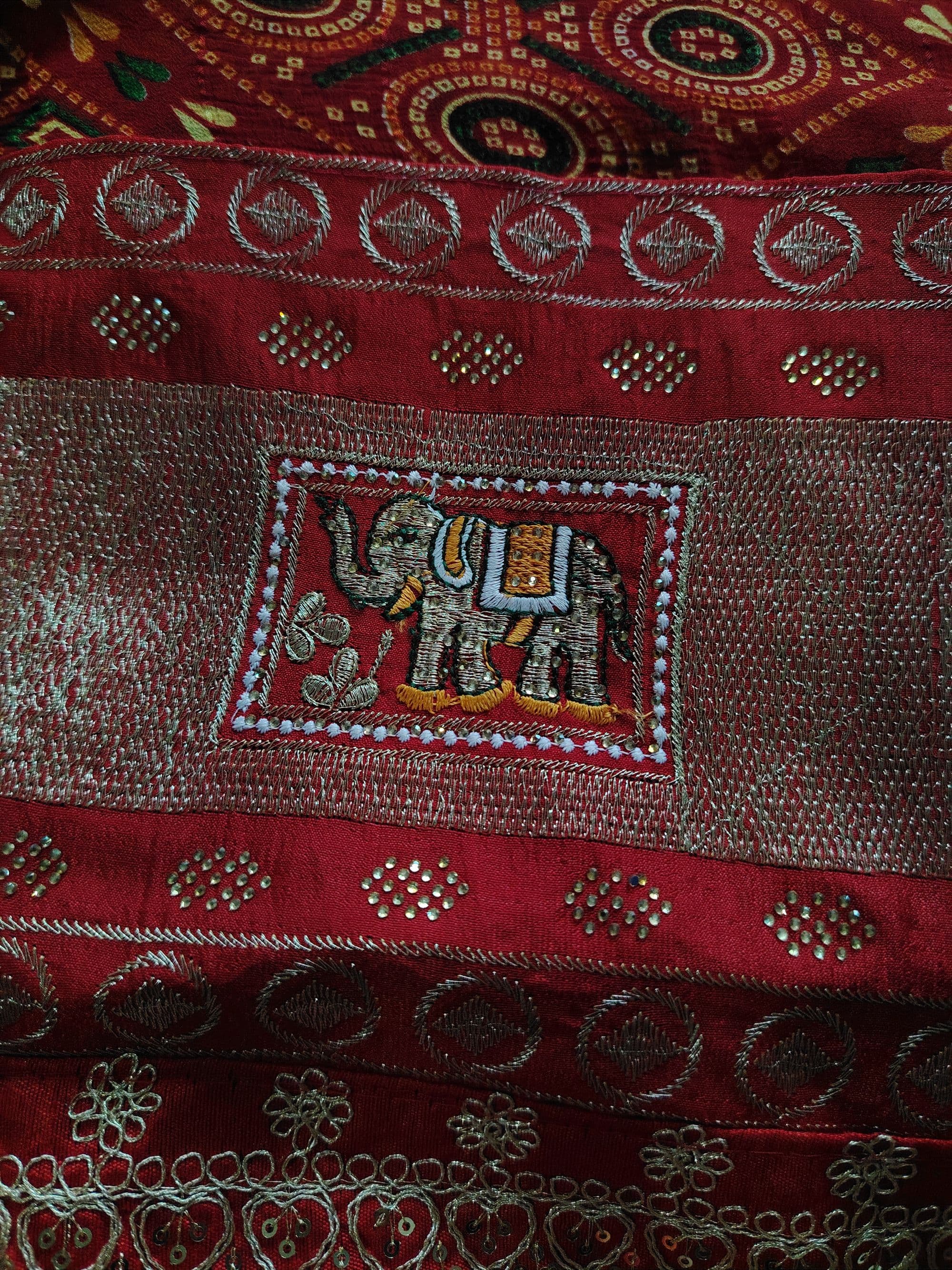
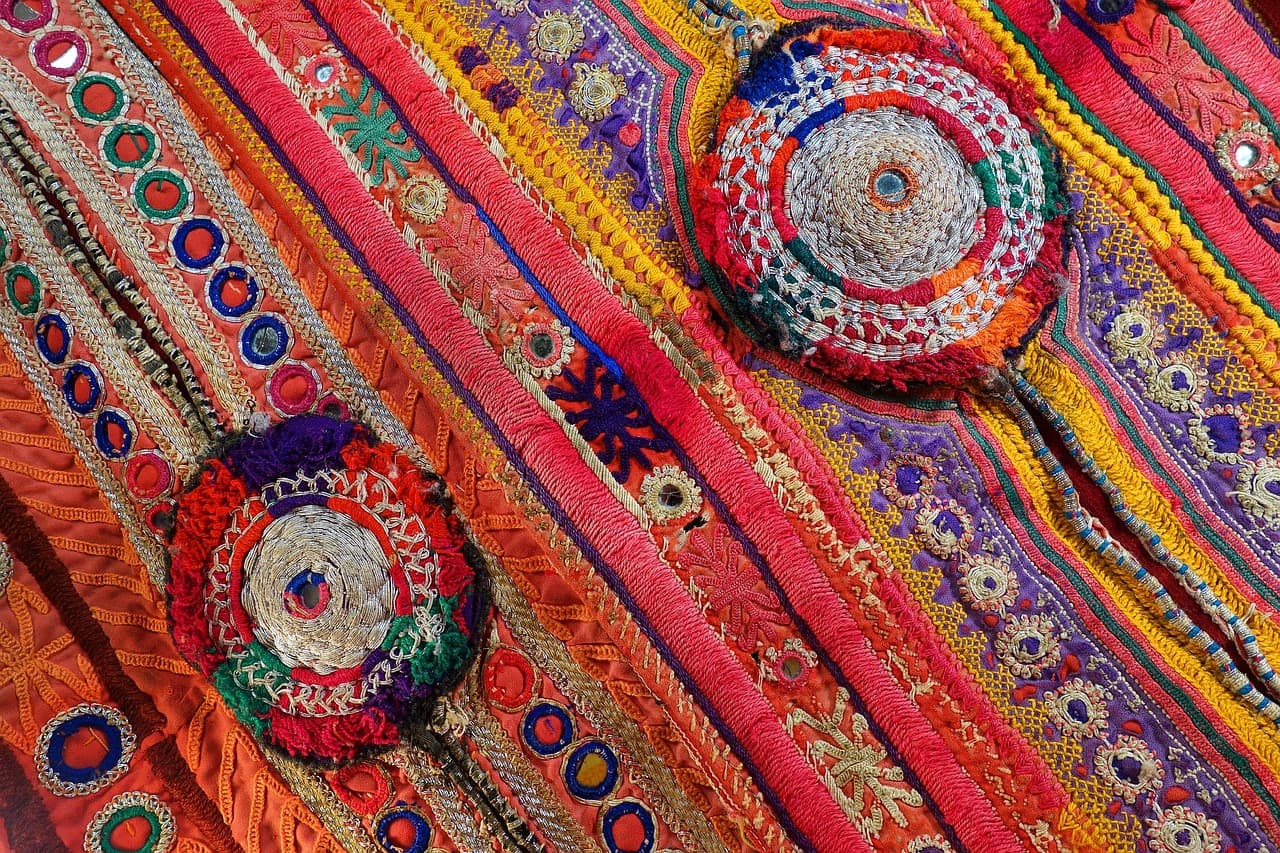
Royal collecting did not stop at painting. The courts assembled objects — jewelled daggers, enamelled vessels, gold and silver work, textiles — at a level of craft that blurred the line between the utilitarian and the ceremonial. These were not merely possessions; they were statements of rank, gifts of diplomacy, and acts of devotion.
The tradition of enamelling associated with Jaipur, the gem-setting of the Mughal treasury, and the metalwork of the Deccan each represent a distinct craft lineage sustained by royal demand. A single object could take years and dozens of hands to complete, its value lying as much in the knowledge it embodied as in its materials.
These objects matter historically because they preserve techniques and iconographies that would otherwise be lost. They matter artistically because they demonstrate that Indian royal patronage did not distinguish between fine art and craft — both were commissioned, both were refined to their highest pitch, and both were collected as a single tradition of making.
“Indian royal patronage did not distinguish between fine art and craft — both were refined to their highest pitch and collected as a single tradition of making.”
An Enduring Legacy
The dissolution of the princely states and the formation of modern India scattered many of these collections. Some passed into the great public museums; others remain in family holdings or in private hands. Their dispersal, while a loss to any single archive, has also made them a shared inheritance, studied and admired across the world.
The scholarly importance of these collections is considerable. They are primary evidence of a sophisticated visual culture that predates and informed much of what is now called Indian art, and they continue to anchor exhibitions, scholarship and the market for Indian art. Every major sale of a Mughal miniature or a Pahari painting is, in a sense, a repayment of the debt the art world owes to the courts that commissioned them.
For the contemporary reader, the collections are more than artefacts. They are a reminder that India's royal courts were not merely political institutions but cultural ones — and that the art they assembled remains among the most significant legacies they left behind.
The Royal Gallerys Perspective
THE ROYAL GALLERYS is committed to the art of India's royal courts — not as nostalgia but as a living field of study, appreciation and collecting. We document the schools, the ateliers and the objects, and we situate them within the broader story of Indian cultural achievement.
We believe the significance of these collections is only growing, as a new generation of collectors, curators and readers rediscovers the sophistication of what the courts produced. That rediscovery is a conversation we are honoured to lead, and to carry into the work we publish.
THE ROYAL GALLERYS is the international magazine for heritage, culture and luxury — documenting the people, places and ideas shaping the worlds of royalty, jewellery, design, travel and contemporary life. Our editorial authority rests on deep engagement with India's cultural ecosystem and a commitment to telling the stories that matter.
For editorial inquiries, story proposals, and partnership discussions, contact our editors at hey.theroyalgallerys@gmail.com.
The Royal Gallerys Editorial
Culture & Luxury Correspondent. THE ROYAL GALLERYS is the international magazine for heritage, culture and luxury — editorial authority on the people, places and ideas shaping our world.
Part of Culture
This article is part of THE ROYAL GALLERYS Culture section — our international editorial destination for culture, heritage and luxury.
Explore All Culture Stories →