Culture as the Currency of Luxury
Luxury is, at its core, a cultural category. Its value rests not on utility but on meaning — the stories, traditions and associations that make an object or experience worth more than its functional equivalent. A brand that understands culture understands the mechanism of its own value; a brand that ignores it competes on price.
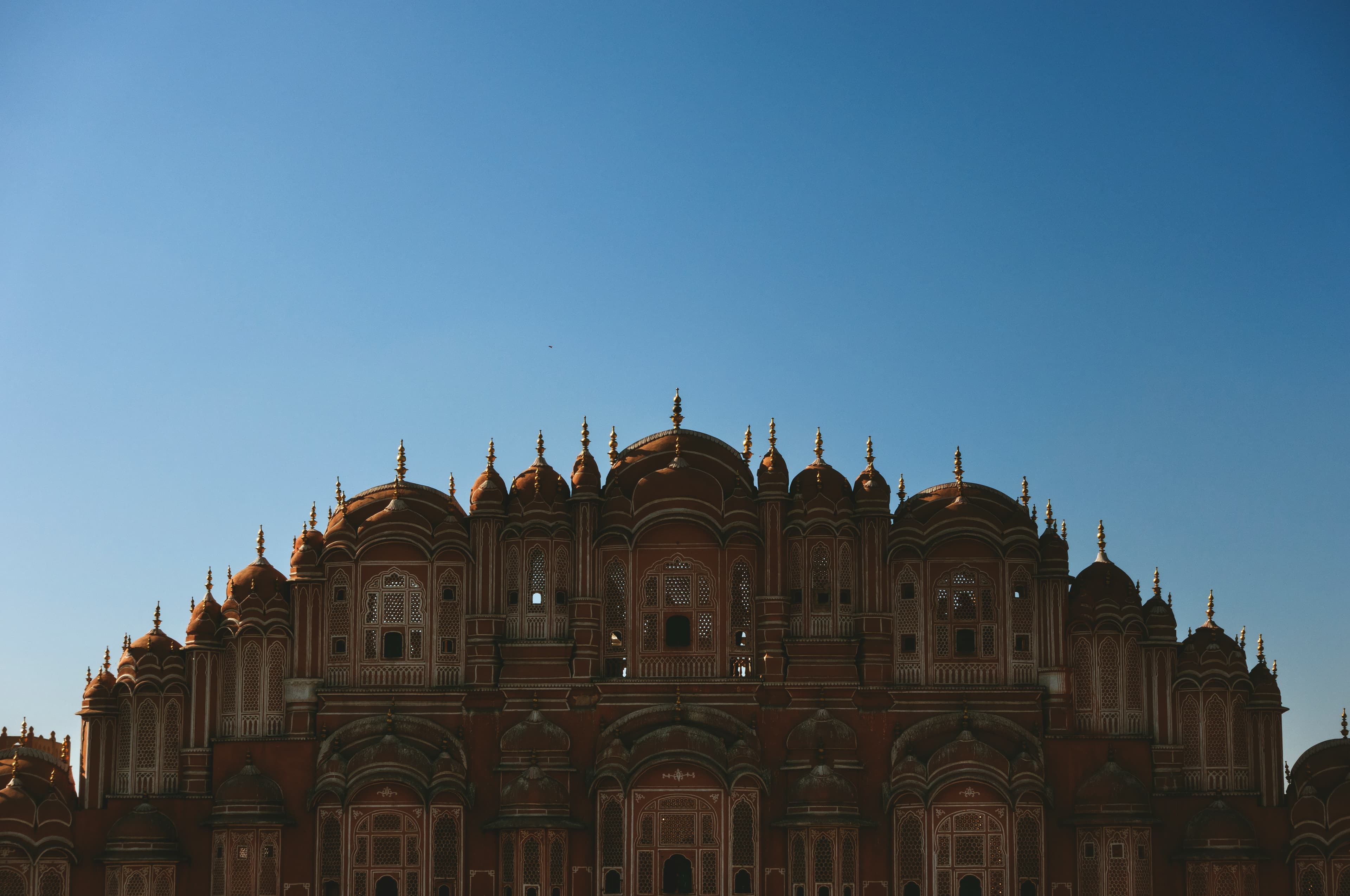
India's cultural landscape is a resource of extraordinary depth for luxury brands. Its craft traditions, its royal heritage, its festivals and its aesthetic continuity offer a vocabulary of meaning that is both globally distinctive and locally resonant. The brands that draw on this resource credibly gain authority; those that handle it carelessly invite rejection.
For decision-makers, the strategic question is not whether culture matters — it self-evidently does — but how to engage it in a way that is genuine, sustained and credible rather than opportunistic.
“The line between relevance and appropriation is drawn by whether the brand is participating in the culture, or merely extracting from it.”
Engagement Over Borrowing: The Defining Distinction
The line between cultural relevance and cultural appropriation is drawn by a single question: is the brand participating in the culture, or merely extracting from it? Participation means supporting living traditions — commissioning craftspeople, funding preservation, engaging institutions — over time. Extraction means taking imagery, motifs and vocabulary for commercial gain without contributing back.
Consumers, particularly the sophisticated Indian luxury consumer, can distinguish the two with increasing ease. A brand that has genuinely supported a craft community earns the right to tell that community's story. A brand that prints a motif and claims inspiration invites the accusation — and the reputational cost — of appropriation.
The strategic implication is that cultural engagement is an investment, not a campaign. It requires sustained commitment, and it returns authority only over time. The brands that treat it as a one-off gesture find that the gesture convinces no one.

Institutions and Artisans: Where Engagement Happens
Genuine cultural engagement happens through institutions and artisans. It happens when a brand partners with the ateliers that preserve India's craft traditions, when it supports the institutions that document and protect heritage, and when it commissions living practitioners rather than reproducing their work.
This engagement has a commercial logic beyond reputation. It gives the brand access to craft, knowledge and provenance that competitors cannot easily replicate. A fashion house that works directly with a particular embroidery atelier possesses a supply of genuine craft — and a story of origin — that a competitor printing the motif does not.
Editorial media plays a specific role in documenting this engagement. A credible publication that reports on a brand's genuine cultural work transfers its authority to the brand, and does so in a way that advertising cannot. The brand's engagement, once documented editorially, becomes part of the public record of its commitment.
“Cultural engagement is an investment, not a campaign — it returns authority only over time.”
The Royal Gallerys Perspective
THE ROYAL GALLERYS exists to document India's living heritage — its art, patronage, craft and traditions — and to explain their meaning to a contemporary, international readership. We believe the brands that will earn lasting authority in India are those that engage this heritage genuinely, and we are committed to telling the stories of that engagement with accuracy and respect.
The distinction between borrowing and belonging is the central question of cultural strategy in the luxury market. The brands that answer it correctly — through sustained commitment rather than superficial gesture — are the brands that endure.
THE ROYAL GALLERYS is the international magazine for heritage, culture and luxury — documenting the people, places and ideas shaping the worlds of royalty, jewellery, design, travel and contemporary life. Our editorial authority rests on deep engagement with India's cultural ecosystem and a commitment to telling the stories that matter.
For editorial inquiries, story proposals, and partnership discussions, contact our editors at hey.theroyalgallerys@gmail.com.
The Royal Gallerys Editorial
Culture & Luxury Correspondent. THE ROYAL GALLERYS is the international magazine for heritage, culture and luxury — editorial authority on the people, places and ideas shaping our world.
Part of Culture
This article is part of THE ROYAL GALLERYS Culture section — our international editorial destination for culture, heritage and luxury.
Explore All Culture Stories →