The Knowledge of Hands
Craft is knowledge held in the hands. A master weaver does not consult a manual when he sets up a loom; he draws on a body of knowledge absorbed from his parents and grandparents, refined through decades of daily practice, and held not in text but in muscle, eye and memory. This is what distinguishes craft from manufacture — the knowledge is inseparable from the person who holds it.
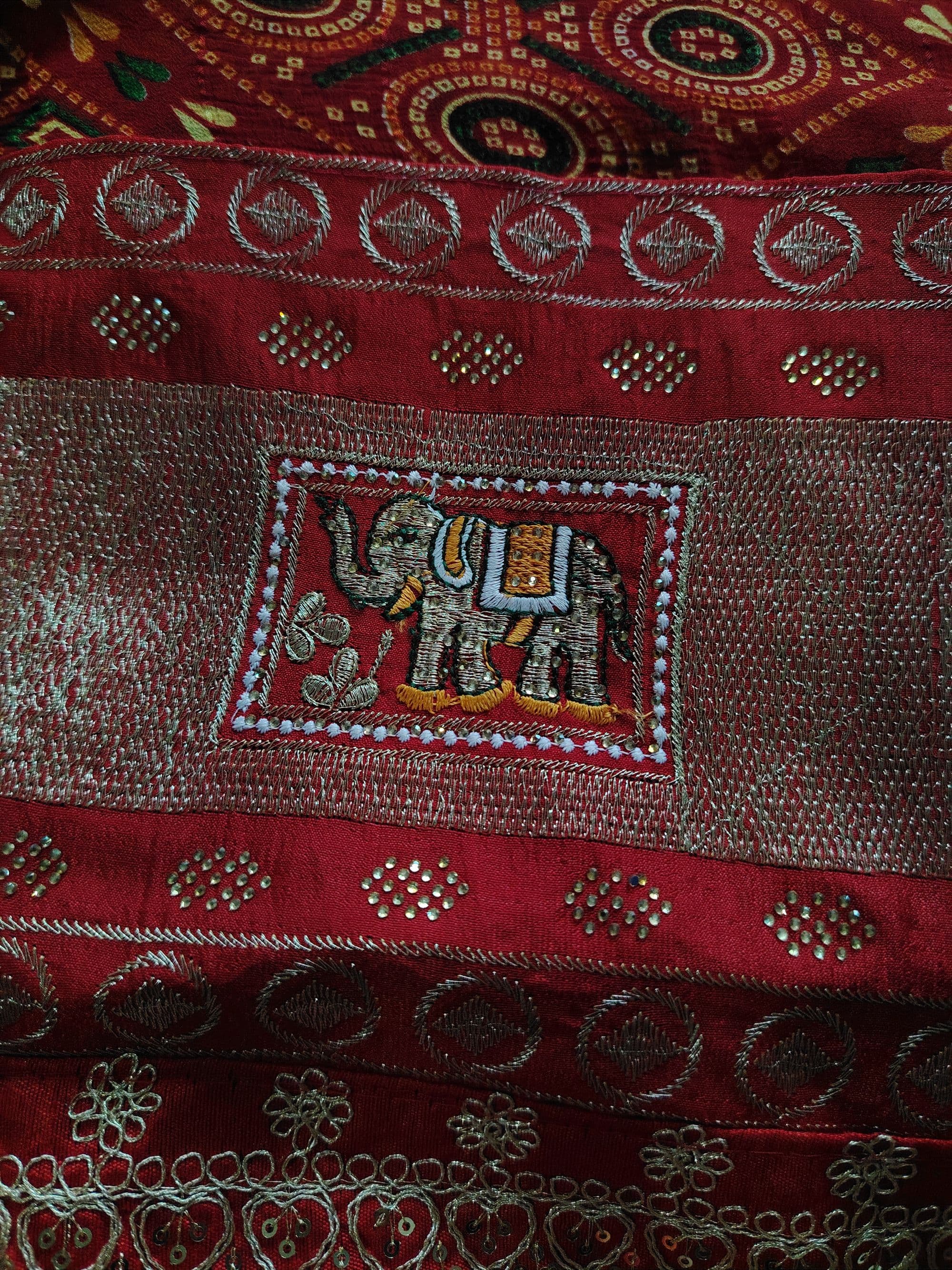
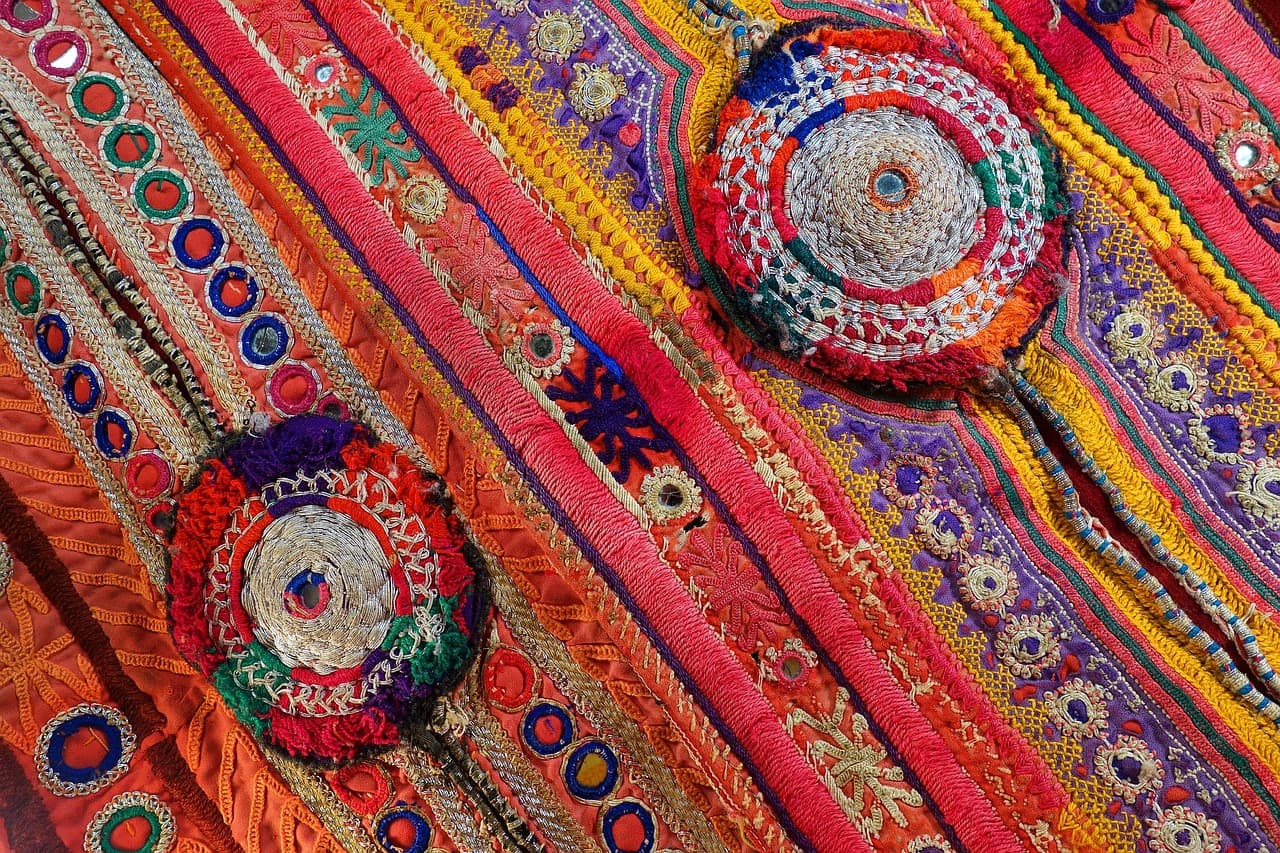
India's craft traditions represent one of the largest and oldest accumulations of such knowledge anywhere in the world. Every region has its own vocabulary of making — the ikats of the east, the block prints of the west, the embroideries of the north, the bronzes and textiles of the south — and each is the product of a community that has spent generations refining a single practice.
The value of this knowledge is not merely sentimental. It is technical and cultural at once: a set of solutions to problems of material and design worked out over centuries, and a record of how a people understood beauty. To lose a craft is to lose both.
“Craft is knowledge held in the hands — inseparable from the person who holds it, and lost within a generation if it is not passed on.”
The Communities
The custodians of this knowledge are specific, nameable communities, each bound to a tradition by geography and lineage. The handloom weavers of Banaras, Kanchipuram and the Andhra coast; the block-printers of Bagru and Sanganer; the embroiderers of Kutch and Lucknow; the metalworkers of Moradabad and the potters of the river deltas — these are not interchangeable categories but distinct societies with their own histories, techniques and economies.
Their craft is often inseparable from their identity. In many communities, the loom or the kiln is not simply a means of livelihood but the marker of who the community is, its inheritance and its standing. The craft is passed down as much as a matter of identity as of income.
This is why the preservation of craft is not a question of technique alone. It is a question of whether these communities can continue to live from, and by, what they make — whether the practice remains viable enough to pass on.
Generational Transmission
The mechanism by which craft survives is transmission: the patient passage of skill from one generation to the next. This happens within families and within workshops, through apprenticeship and imitation, and it requires time, patience and a degree of economic stability that the modern market does not always provide.
When transmission breaks, the consequences are swift. A craft that is not passed on is lost within a single generation; there is no archive that can restore the tacit knowledge of a hand that has stopped working. The communities that have kept their traditions alive are those that have managed, against the pressures of industrial competition, to make the practice worth continuing.
Transmission also evolves. In many communities the craft is now learned as deliberately as it was once absorbed, taught through schools, cooperatives and master-apprentice programmes that formalise what was once implicit — an adaptation that carries the knowledge forward while changing how it is carried.
“The most sustainable support for craft is demand that respects it — pricing that recognises the time it takes, and credit that recognises its authorship.”
The Market and the Patron
Every craft tradition has always depended on a patron — a court, a temple, a merchant — and today that role has passed to the market and to a new kind of patron: the discerning consumer and the conscious brand. A buyer who chooses a handloom sari over a power-loom imitation, a fashion house that commissions an embroidery atelier at a fair price, a hotel that sources its textiles from a known community — each is sustaining the tradition in the most direct way possible.
This is not charity. The most sustainable support for craft is demand that respects it — pricing that recognises the time it takes, credit that recognises its authorship, and a willingness to buy the real thing rather than its reproduction. When consumers and brands do this, they do more than purchase; they become, in effect, the patrons the tradition requires.
The alternative is a slow attrition — communities leaving the loom for the factory, a lineage ending with the last practitioner. The traditions that survive will be those that find patrons again, in whatever form the modern economy provides.
The Royal Gallerys Perspective
THE ROYAL GALLERYS documents India's living craft traditions because they are, in our view, among the most significant cultural assets the country possesses — a heritage held not in buildings or archives but in the hands of the communities that keep it. We write about the weavers, printers, embroiderers and metalworkers with the respect their knowledge deserves, and we name them, because craft without its makers is a myth.
We also believe that appreciation is a form of preservation. Every reader who learns to distinguish a handloom from an imitation, who seeks out the maker, who chooses the real thing, becomes part of the tradition's survival. That is the form of patronage available to everyone, and it is the one we hope our work encourages.
THE ROYAL GALLERYS is the international magazine for heritage, culture and luxury — documenting the people, places and ideas shaping the worlds of royalty, jewellery, design, travel and contemporary life. Our editorial authority rests on deep engagement with India's cultural ecosystem and a commitment to telling the stories that matter.
For editorial inquiries, story proposals, and partnership discussions, contact our editors at hey.theroyalgallerys@gmail.com.
The Royal Gallerys Editorial
Culture & Luxury Correspondent. THE ROYAL GALLERYS is the international magazine for heritage, culture and luxury — editorial authority on the people, places and ideas shaping our world.
Part of Culture
This article is part of THE ROYAL GALLERYS Culture section — our international editorial destination for culture, heritage and luxury.
Explore All Culture Stories →