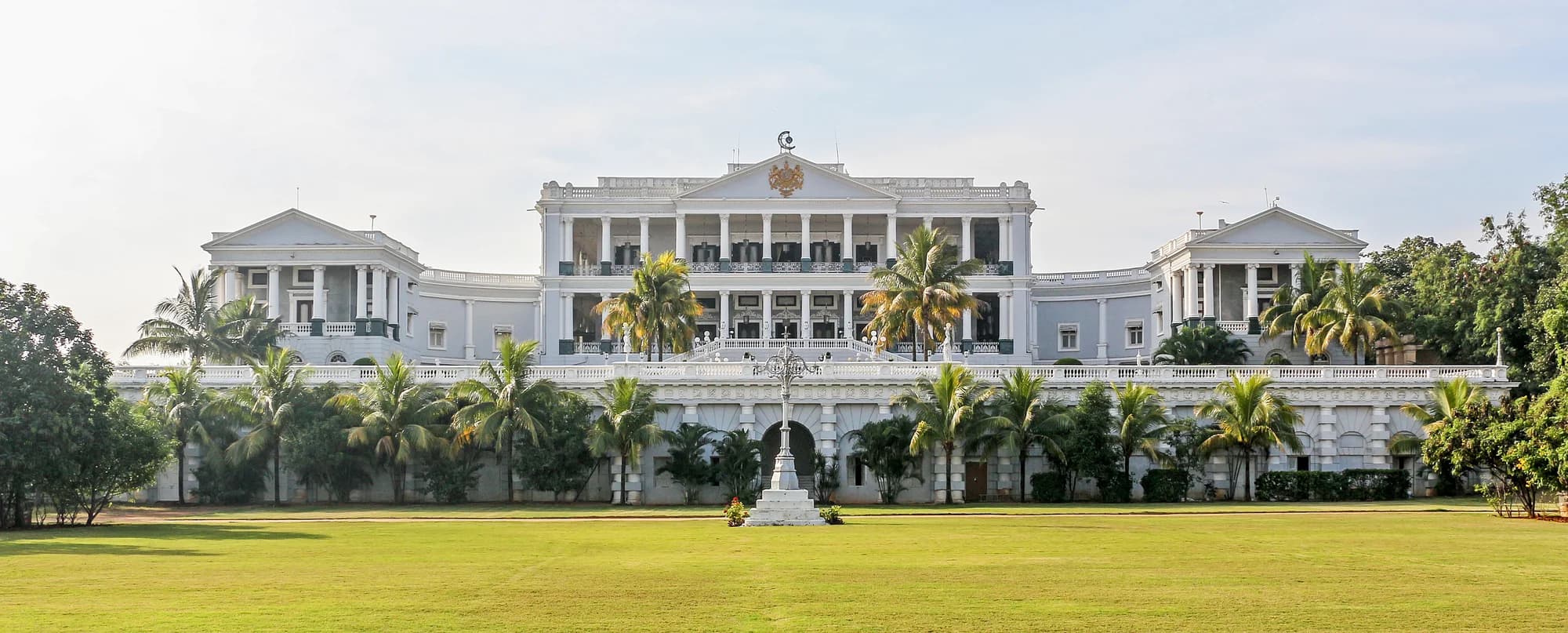
There are two luxury markets in India, and they respond to entirely different currencies. The first — the high-net-worth traveller — is affluent, discerning, and reachable through the familiar instruments of luxury marketing: editorial media, refined digital presence, curated partnerships. The second — the ultra-high-net-worth traveller — is something else altogether. The industrialist, the next-generation inheritor of a family enterprise, the family that moves between private aviation and palace suites: this traveller is not reached by advertising at all. They are reached by access.
The distinction matters because most luxury travel brands — cruise lines, private aviation providers, tour operators, destination marketers — design for the HNW and hope the UHNW will follow. They will not. The UHNW inhabit a different decision architecture, one governed by discretion, referral and closed networks rather than by visibility, campaign and open channels. This guide is for the brands that want to reach India's most affluent travellers not as a demographic to be targeted but as a community to be entered.
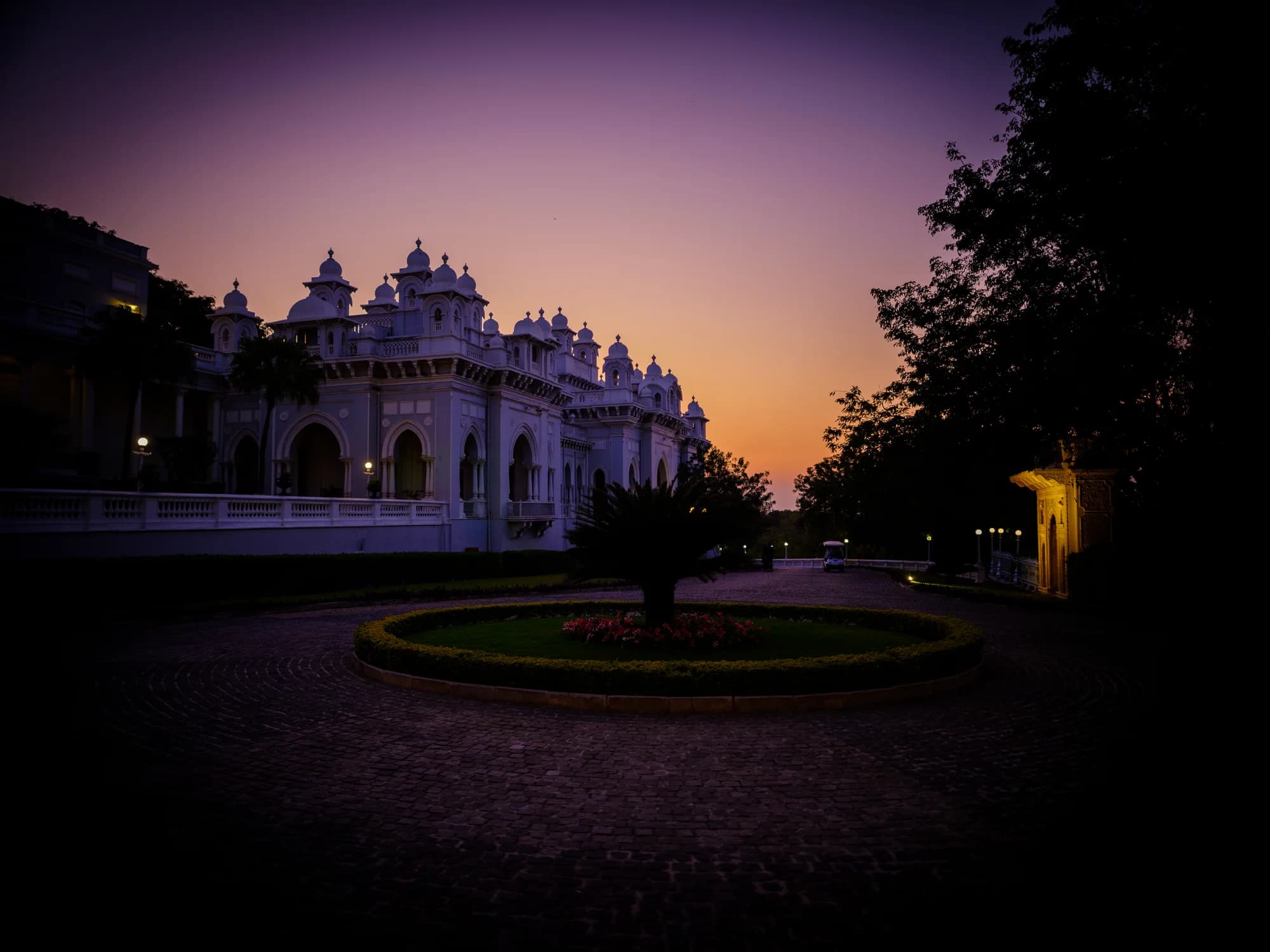
Falaknuma Palace at blue hour — the 'Mirror of the Sky' glowing above Hyderabad, a monument to the Deccan's most rarefied taste
The Nizam's sky palace embodies the sensibility of India's UHNW traveller: discretion, provenance and the quiet confidence of something extraordinary that does not need to announce itself. Brands that serve this audience must learn to speak the same language — the language of access, not advertisement.
1. The HNW and the UHNW: Two Different Games
The first discipline is to stop treating "affluent India" as a single segment. The HNW traveller values quality, service and cultural signalling — they respond to editorial authority, to refined brand narratives, to experiences that demonstrate taste and cultural intelligence. They are reachable, if not easily, through the instruments of sophisticated luxury marketing.
The UHNW traveller adds a decisive dimension: discretion. For India's most affluent families, the most valuable experience is increasingly the one few people know they had. Private entrances. Dedicated floors. In-room check-in. Dining in spaces not visible from the main restaurant. Itineraries that do not appear on social media. The ability to occupy a property without being observed occupying it.
This has direct commercial consequences. Properties and brands designed around social visibility — grand lobbies, see-and-be-seen spaces, experiences engineered for Instagram — may actually repel the highest-value Indian guests. The properties capturing the UHNW segment are often the ones that were never designed for visibility at all: heritage buildings with multiple private courtyards, villas with independent access, resorts where dispersion across the grounds is built into the architecture. The privacy premium is real and measurable, with properties that can credibly guarantee discretion capturing ADR premiums of 30 to 80 percent among UHNW travellers.
“For India's most affluent travellers, the most valuable experience is increasingly the one few people know they had.”
2. The Referral Economy
If the UHNW traveller is not reached by advertising, how are they reached? Through the referral economy — the network of trusted intermediaries and existing clients through which the most affluent travellers make their decisions.
The luxury travel advisor is the gatekeeper. The UHNW family does not search for a cruise line or a private jet provider; they ask the advisor who has arranged their travel for a decade. The advisor's recommendation carries the weight of a relationship, not a campaign, and no amount of digital spend can substitute for it. A single meaningful relationship with a leading luxury travel advisor — one who serves a handful of UHNW Indian families — is worth more than a year of programmatic advertising.
Peer referral compounds the effect. The UHNW traveller moves within a small, tightly connected world. One exceptional experience, quietly delivered, is recounted to a dozen peers who share the same advisors, the same expectations and the same discretion. Reputation in this market is not built through reach; it is built through the compounding of private endorsements within a closed network.
For a luxury travel brand, the strategic implication is clear: shift investment from reach to relationship. Cultivate the advisors, the family offices and the existing clients who are the true distribution channel of the UHNW market, and let the reputation compound.
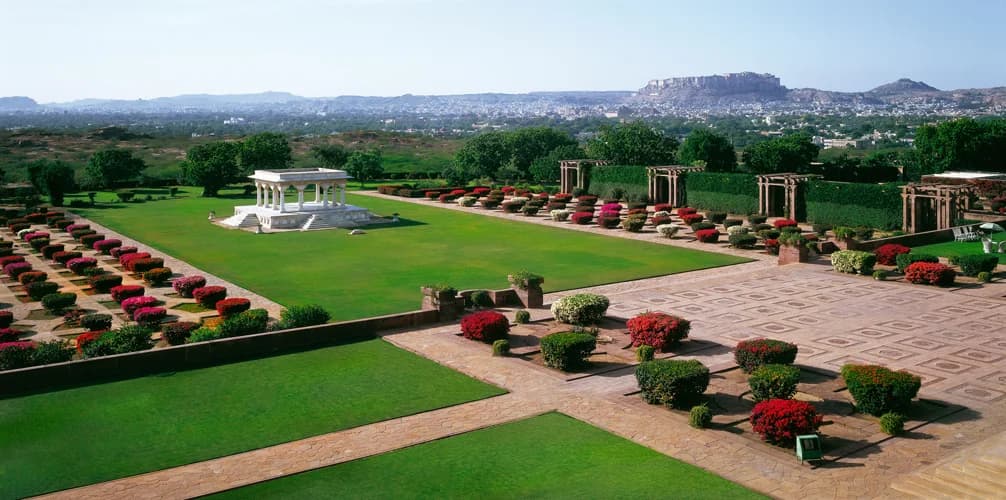
Mihir Garh, Jodhpur — the exclusive nine-suite desert fortress, where privacy is built into the architecture
Mihir Garh is the distilled form of the UHNW proposition: nine suites, an infinity of desert silence, and an architecture of dispersion that makes observation impossible. Properties and brands like this do not market visibility; they market the absence of it. The UHNW traveller books precisely because the property cannot be found, photographed or occupied by anyone they do not choose to invite.
3. Editorial Authority as Access
Among India's HNW and UHNW travellers, editorial authority is not a channel; it is a credential. The reader who trusts a publication transfers that trust, in part, to the subjects the publication chooses to feature — the mechanism the industry calls "borrowed credibility." And among HNW consumers, editorial mentions and peer recommendations outweigh paid advertising as decision drivers by margins of three to one or greater.
For a luxury travel brand, this means that the most efficient path to relevance is not another campaign but a presence within the editorial worlds the target audience already reads and trusts. A cruise line featured in a publication the UHNW traveller respects is not receiving exposure; it is receiving endorsement — implicit, unpaid, and therefore far more persuasive than any advertisement the brand could purchase.
The practical discipline is editorial, not promotional. Brands must think of themselves as stories — as worlds a reader might want to enter — rather than as products to be pushed. The publication does the work of contextualising the brand within a broader narrative of destination, design, history and culture; the brand's job is to be worth featuring.
“Among HNW consumers, editorial mentions and peer recommendations outweigh paid advertising as decision drivers by margins of three to one or greater.”
4. The Ecosystem: Entering the Community
India's HNW and UHNW travellers do not experience travel in isolation. They experience it within a wider luxury life that includes jewellery, fashion, automobiles, watches, art, fine dining and private aviation. The brands that reach this audience most effectively are the ones that position themselves as nodes within that ecosystem rather than standalone products.
Consider what a single collaboration can do. A cruise line that co-hosts a private jewellery viewing with a Jaipur gemstone house reaches the jewellery house's HNW clients — an audience that was not searching for a cruise line. A tour operator that sponsors a curator's lecture at an art institution reaches collectors who were not planning a journey. A private aviation provider that partners with a couture designer's trunk show reaches families who were not chartering a jet. Each activation reaches beyond the brand's existing audience into the audiences of every collaborating partner.
This is the ecosystem play, and it is the most efficient mechanism in the market for reaching the affluent traveller who cannot be reached by advertising. The commercial logic is compounding: a brand that becomes a node in India's luxury network acquires relevance among audiences who were not actively searching for it at all, and each collaboration extends that relevance into an adjacent HNW community.
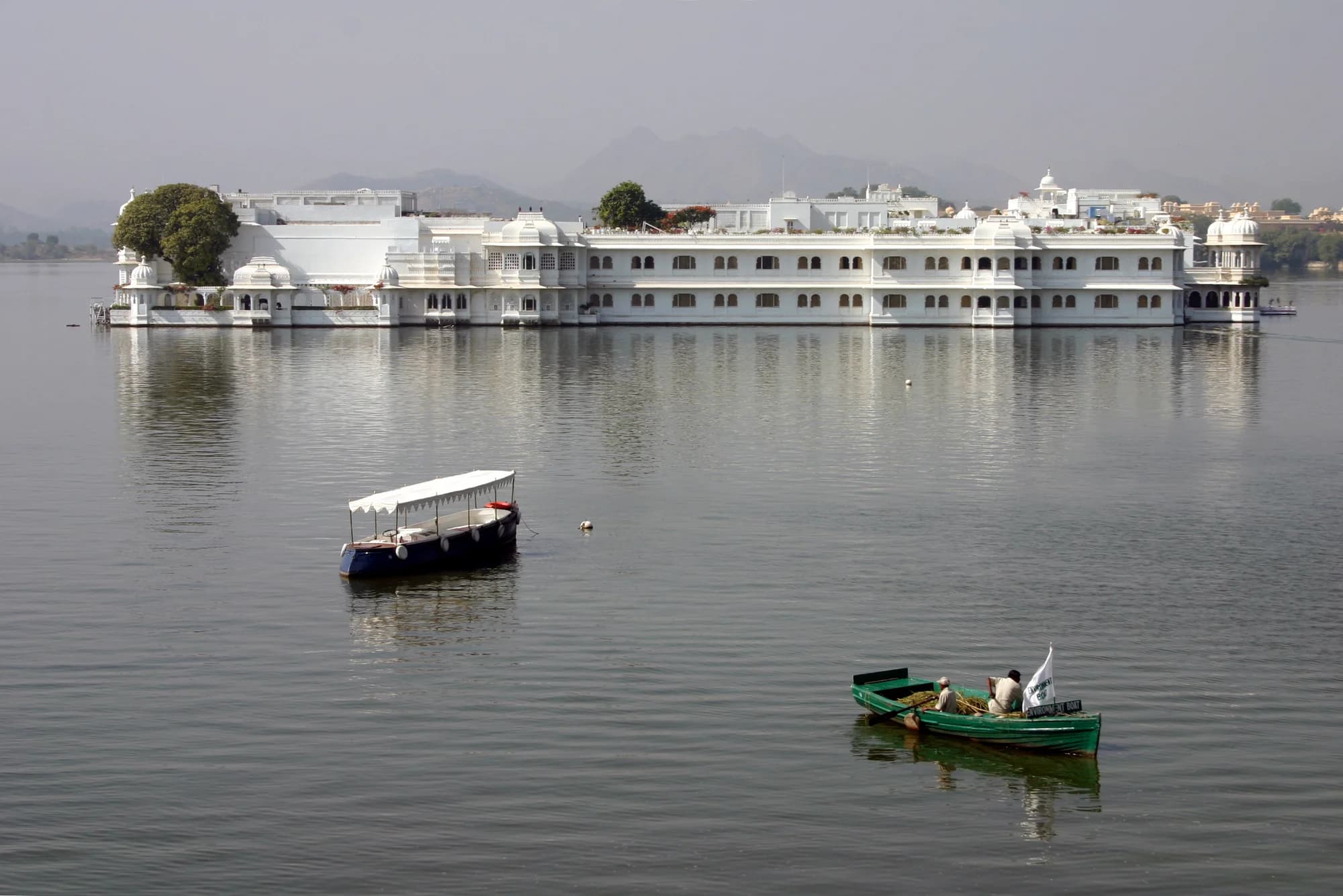
Taj Lake Palace, Udaipur — a hotel that functions as a node in India's luxury ecosystem, not a standalone property
The most successful luxury properties in India understand the ecosystem principle intuitively: they host couture trunk shows, jewellery viewings, chef residencies and cultural programming that reach beyond the hotel's existing audience. For a travel brand, the lesson is the same — participate in the consumer's wider luxury life, and relevance compounds across adjacent HNW communities.
5. Measuring Relevance, Not Visibility
The final discipline is measurement. Most luxury travel brands measure their success in reach — impressions, clicks, campaign metrics. But for the HNW and UHNW audience, reach is the wrong metric; the question is not how many people saw the brand but how many people who matter chose it.
Cultural relevance can be assessed through a set of indicators that are less glamorous than a campaign dashboard but far more consequential: the proportion of bookings generated through referral and repeat channels rather than paid acquisition; the presence of the brand in the consideration sets of the luxury travel advisors serving Indian HNW clients; the volume and sentiment of organic editorial and social conversation about the brand among the right audience; and — most tellingly — whether Indian guests are choosing the brand for celebration events rather than merely for accommodation.
A brand that hosts celebrations is culturally relevant. A brand that hosts only transactions is visible but not yet significant. The distinction, measured honestly, tells a luxury travel brand everything it needs to know about whether its investment is building access or merely buying impressions.
For Luxury Travel Brands
The UHNW traveller is not reached by advertising; they are reached by access. Shift investment from reach to relationship — cultivate luxury travel advisors, family offices and the referral networks that are the true distribution channel. Earn editorial authority, participate in the luxury ecosystem, and measure relevance rather than impressions. Discover how THE ROYAL GALLERYS reaches India's HNW and UHNW travellers →
6. The Strategic Opportunity
India's HNW and UHNW travellers are among the highest-value guests in global luxury travel, and they remain among the most efficiently reachable — for the brands that understand the mechanism. The mechanism is not advertising; it is access. It runs through the referral economy of advisors and peers, through the borrowed credibility of editorial authority, and through the compounding relevance of ecosystem participation.
The brands that win will be the ones that stop treating India's most affluent travellers as a target market and start treating them as a community — one that rewards discretion, provenance and cultural intelligence, and that pays a premium for the brand that can speak its language.
The opportunity is there for the brands with the discipline to pursue it.
For Luxury Travel Brands
THE ROYAL GALLERYS provides a premium editorial environment and brand-storytelling platform at the intersection of Indian royalty, heritage and luxury. For selected travel brands — cruise lines, private aviation, tour operators and destination marketers — we offer editorial features, digital storytelling and brand-narrative development that position your brand before India's most affluent travellers with the authority of a trusted publication. Explore partnership opportunities →
Frequently Asked Questions
Why can't luxury travel brands reach the UHNW through advertising alone? Because the UHNW traveller has been trained by a lifetime of luxury exposure to discount commercial messaging. They possess highly developed persuasion knowledge, and for the most affluent, the most valuable experience is increasingly the one few people know they had. Advertising reaches visibility; access reaches relevance — and the UHNW respond to the latter.
What is the referral economy, and why does it matter? The UHNW book disproportionately through luxury travel advisors, family offices and peer referrals rather than direct digital channels. A brand that earns entry into the consideration sets of trusted advisors and existing clients gains compounding access to an audience that paid media cannot efficiently reach.
How does the HNW segment differ from the UHNW segment? HNW travellers are affluent and value quality, service and cultural signalling. UHNW travellers — industrialists and next-generation inheritors — add a decisive preference for discretion, privacy and access. The HNW may celebrate visibly; the UHNW frequently prefer to occupy a property without being observed occupying it. Brands must segment messaging accordingly.
What role does editorial authority play in reaching this audience? Editorial coverage transfers a publication's credibility to the brand — borrowed credibility. Among HNW consumers, editorial mentions and peer recommendations outweigh paid advertising as decision drivers by margins of 3:1 or greater, making curated editorial media the most efficient path to relevance among India's most affluent travellers.
How should luxury travel brands participate in India's luxury ecosystem? By becoming nodes in the wider luxury life rather than standalone products — collaborating with couture houses, jewellers, watch brands, art and cultural institutions to reach audiences who were not actively searching for a travel product. Ecosystem integration compounds access across adjacent HNW audiences.
How can a brand measure cultural relevance rather than mere visibility? Through indicators like the proportion of bookings from referral and repeat channels, presence in the consideration sets of luxury travel advisors serving Indian HNW clients, organic editorial and social conversation, and — most tellingly — whether Indian guests are choosing the brand for celebration events rather than mere accommodation. Hosting celebrations signals relevance; hosting only room nights signals visibility.