
There is a difference between opening in India and mattering in India, and it is the difference that determines which international luxury hotels succeed in the country. A global flag, impeccable service and beautiful design are the entry ticket. They are necessary and no longer sufficient. The groups that win in India are the ones that become impossible to separate from their location — that participate in the country's cultural, creative and luxury ecosystem rather than simply operating within it.
This guide is written for the international hotel groups entering or expanding in India. It addresses the question their market-entry playbooks too rarely ask: how does a global brand earn cultural relevance — a place in the cultural imagination of India's most discerning travellers — rather than mere presence?
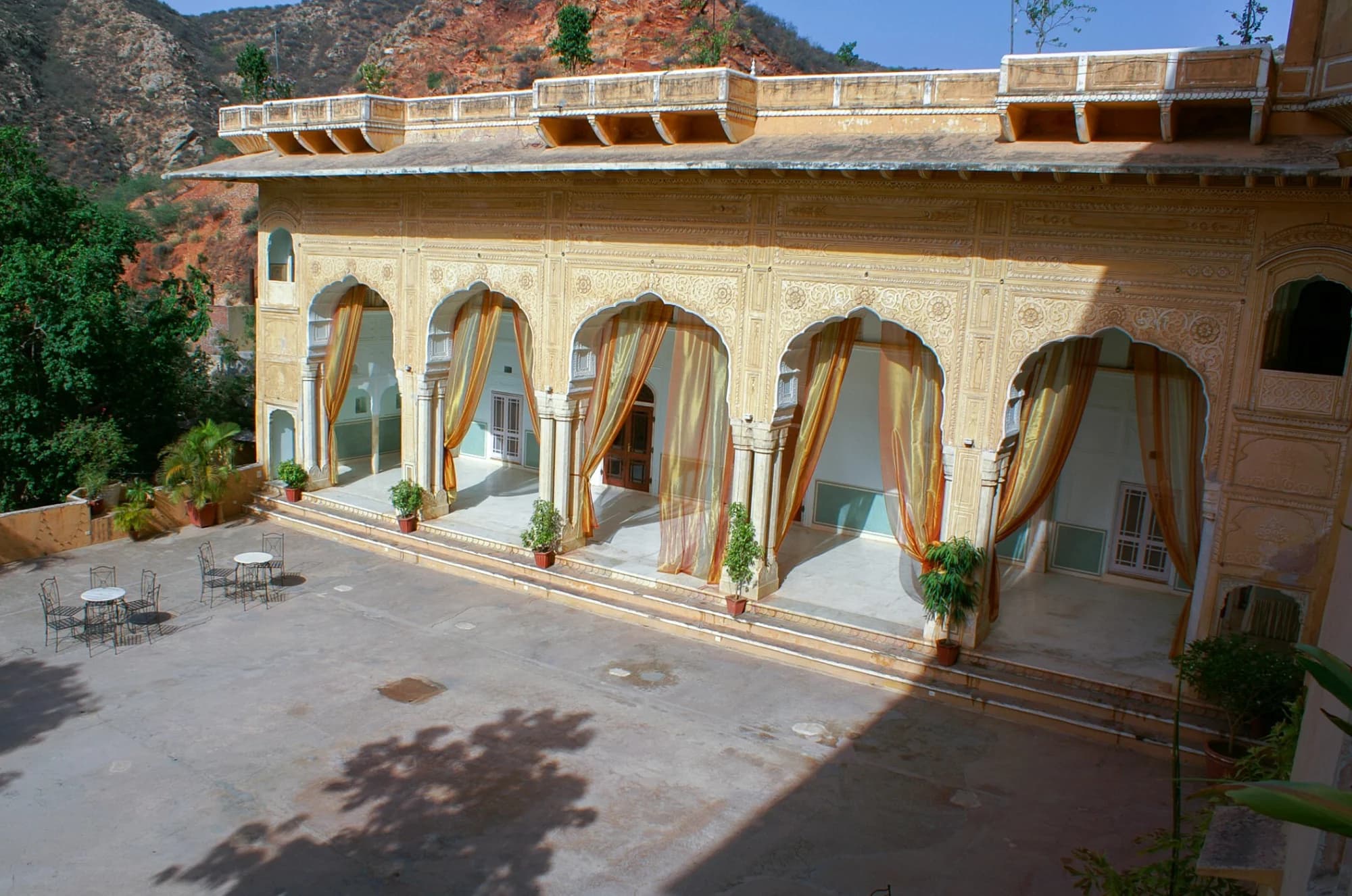
Samode Palace — a 475-year-old frescoed masterpiece where heritage is not a design reference but a living tradition
The benchmark for cultural relevance in Indian luxury hospitality is the palace hotel: a property so embedded in its location and lineage that it is impossible to imagine anywhere else. International groups should study how these properties convert heritage into pricing power — and adapt the principle, not the building.
1. Presence Is Not Relevance
The distinction is best captured by a simple test. Presence means operating a luxury hotel with global standards in an Indian city. Relevance means being discussed in India's cultural conversation, chosen for its most significant celebrations, recommended by its trusted advisors, and positioned — in the minds of its most discerning travellers — as a destination rather than an accommodation.
The difference is measurable, if not in the quarterly report then in the indicators that actually predict long-term performance: the proportion of bookings from referral and repeat channels, the presence of the property in the consideration sets of luxury travel advisors, the volume of organic editorial and social conversation, and — most tellingly — whether Indian guests are choosing the property for celebration events rather than merely for room nights.
A property that hosts weddings is culturally relevant. A property that hosts only room nights is visible but not yet significant. The international groups that understand this distinction from the outset build toward relevance; the ones that ignore it build a beautiful hotel that the market politely declines to care about.
“A property that hosts celebrations is culturally relevant. A property that hosts only room nights is visible but not yet significant.”
2. The Indian Consumer's Hierarchy of Value
To build relevance, an international brand must first understand what the Indian luxury consumer actually rewards. The hierarchy is distinctive, and it differs from the markets most global groups are built for.
At the base is standards — the quality, service and consistency that the Indian luxury traveller, among the most travelled and discerning in the world, simply assumes. A brand that fails here is not competing at all. But standards are the floor, not the ceiling.
Above standards is cultural intelligence. The Indian luxury consumer increasingly rewards experiences that demonstrate taste, access and cultural fluency over pure status expenditure. A suite upgrade is pleasant; a private audience with a master craftsman, a chef's table built around regional Indian ingredients reimagined through technique, or access to a collection not open to the public signals something more potent — that the guest possesses taste, not merely money.
And at the apex is meaning — the sense that the property is not a neutral container for luxury but a participant in India's living culture. This is where the palace hotels operate, and where the international groups that merely transplant a global template fail to reach. The property that becomes a venue for India's celebrations, a patron of its craft, a stage for its culture — that property earns the relevance that no amount of brand standardisation can buy.

Hawa Mahal, Jaipur — the 'Palace of Winds', a reminder that India's luxury narrative is architectural and continuous
India's cultural landscape is not a backdrop to be decorated around; it is the substance of the luxury proposition. The international hotel that treats Indian culture as a design reference — a motif, a colour palette — has misunderstood. The hotel that treats it as a living tradition to be participated in — craft, cuisine, celebration — has begun to matter.
3. Localising Without Diluting
The most common failure in international market entry is not a lack of investment but a shallow understanding of localisation. Two versions of localisation exist, and they produce opposite commercial results.
The shallow version is thematic: a hotel that decorates with Indian motifs, names its spa treatments with Sanskrit words, and offers a tokenised "Indian" menu — cultural references applied as styling rather than substance. The Indian luxury consumer, fluent in global luxury, recognises this immediately, and it registers as condescension rather than respect.
The genuine version is intellectual: a hotel that integrates real cultural practice. Qualified Ayurvedic physicians rather than "Ayurvedic-inspired" treatments. Authentic craft lineages rather than decorative motifs. Regional cuisine executed through its own culinary tradition rather than a tokenised global menu. Meditation instruction from authentic teachers rather than "mindfulness experiences" designed by a brand consultant.
The distinction is rigour, and the Indian consumer can tell the difference. Wellness is the clearest example: India is the birthplace of Ayurveda, yoga and meditation, and the global wellness tourism market is projected to reach $1.4 trillion by 2027. A wellness programme at an Indian property operating within the tradition that originated the practice carries a weight that no imported spa concept can match. Genuine localisation is not a compromise with global standards; it is the source of the advantage.
“Genuine localisation is not a compromise with global standards; it is the source of the advantage.”
4. The Palace Hotel Benchmark
International groups entering India benchmark against other global brands. The more instructive benchmark is the palace hotel sector, which defines the ceiling of cultural relevance — and commercial performance — in Indian luxury hospitality.
The palace hotels command RevPAR premiums of 60 to 120 percent over comparable luxury chain properties in the same markets. They achieve this not through superior amenities but through provenance: living heritage, continuous lineage and cultural specificity that no competitor can replicate. The Oberoi Amarvilas achieves rates significantly above Agra's other luxury properties because of its uninterrupted Taj Mahal view. The Taj Lake Palace maintains exceptional occupancy because it could exist nowhere but Udaipur.
The lesson for international groups is not to replicate heritage they cannot possess. It is to adapt the principle: become a destination before becoming a hotel. The properties that outperform in India are the ones that are impossible to separate from their location — that participate in the city's culture, its craft, its celebrations and its creative life rather than floating above it as a standardised international product.
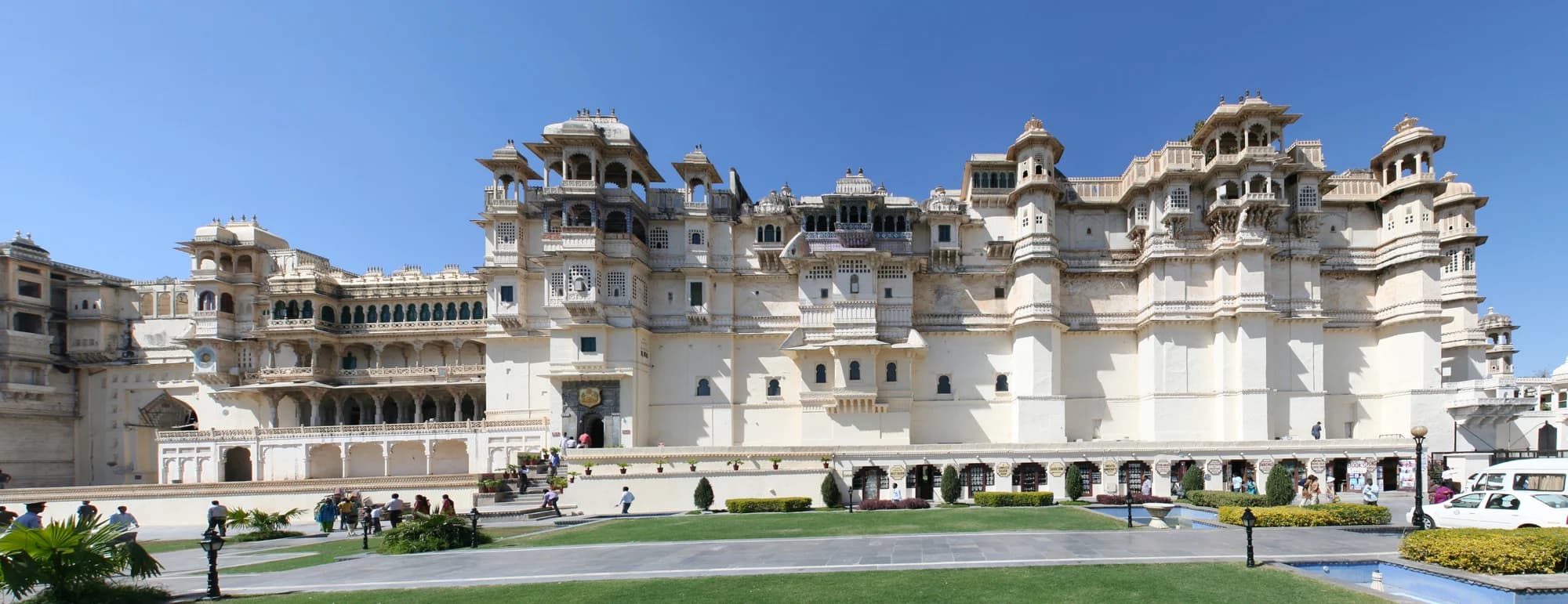
Devi Garh, Udaipur — an 18th-century Rajput fort reimagined as India's most daring contemporary design hotel
Devi Garh is the counterexample that proves the rule: it is radically contemporary, yet it earns cultural relevance because it engaged the heritage of its place — white marble and local stone, a fort palace transformed rather than a template transplanted. The lesson for international groups is that relevance is earned through dialogue with a place, not through either imitation or indifference.
5. Ecosystem Integration
The final discipline of cultural relevance is ecosystem integration: participating in the consumer's wider luxury life rather than operating as a standalone property.
The Indian luxury consumer does not experience a hotel in isolation. They experience it within an ecosystem of jewellery, fashion, automobiles, watches, art, fine dining and private aviation. The hotel that becomes a node in that ecosystem — hosting a couture designer's trunk show, a jeweller's private viewing, a chef's residency, a curator's lecture — reaches audiences who were not actively searching for a hotel at all.
This is the mechanism by which a new international property accelerates its path to relevance. Each collaboration extends the property into an adjacent HNW community: the jewellery client who attends a viewing becomes a potential guest, the art collector who attends a lecture becomes an advocate, the bride who discovers the venue through a designer collaboration arrives with higher expectations — and a higher budget — than one who found the property through a keyword search.
The property that commits to ecosystem integration positions itself not as an international brand operating in India but as a participant in India's cultural and creative life. That is the difference between presence and relevance, made operational.
For International Hotel Groups
Presence is the entry ticket; relevance is the prize. Localise with intellectual rigour rather than thematic styling, benchmark against the palace hotel's cultural ceiling rather than only global peers, and integrate with India's luxury ecosystem — couture, jewellery, art, craft, celebration. A property that participates in India's cultural life earns what no amount of brand standardisation can buy. Discover how THE ROYAL GALLERYS helps international hotels build cultural relevance →
6. The Long Game
The final point is about time. Cultural relevance is not a campaign outcome; it is a compounding asset. Editorial credibility, advisor relationships and cultural standing accrue over years, not quarters, and they compound in ways that a quarterly P&L cannot capture.
This is why the international hotel play in India is, structurally, a long game. The brands that invest early — in genuine localisation, in ecosystem integration, in editorial authority — build equity that compounds. The brands that chase quarterly visibility with a standard product remain interchangeable, competing on price in a market that rewards the specific over the generic.
The question for an international group entering India is not whether the market is large enough. It is whether the group has the patience, the cultural seriousness and the strategic discipline to build relevance rather than merely open a hotel. The groups that do will define luxury hospitality in India for the next generation.
For International Hotel Groups
THE ROYAL GALLERYS exists at the intersection of Indian royalty, heritage, culture and luxury. For international hotel groups and hospitality brands, we offer editorial features, digital storytelling and brand-narrative development that build cultural relevance with India's most discerning travellers — the difference between opening in India and mattering in India. Explore partnership opportunities →
Frequently Asked Questions
What is the difference between presence and relevance in India? Presence means operating a hotel with global standards in an Indian city. Relevance means being discussed in India's cultural conversation, chosen for celebrations, recommended by advisors, and positioned as a destination rather than an accommodation. A property that hosts weddings is culturally relevant; a property that hosts only room nights is visible but not yet significant.
Why are global brand standards insufficient for the Indian luxury market? Because the Indian luxury consumer increasingly rewards cultural intelligence over standardised luxury. Excellent service and beautiful design are the entry ticket; the properties that outperform do so because they are impossible to separate from their location — they participate in local heritage, craft, cuisine and celebration rather than importing a generic luxury template.
What does genuine localisation look like — and what is it not? Genuine localisation integrates real cultural practice: qualified Ayurvedic physicians rather than Ayurvedic-inspired spa menus, authentic craft lineages rather than decorative motifs, regional cuisine through its own culinary tradition rather than a tokenised global menu. It is intellectual rigour, not thematic styling, and the Indian consumer can tell the difference.
How should international hotels benchmark against Indian palace hotels? Palace hotels are the local benchmark for cultural relevance — they command RevPAR premiums of 60–120 percent over luxury chains because they possess provenance no competitor can build. International groups should study how palace properties convert heritage into pricing power and adapt the principle, not the building: become a destination before becoming a hotel.
What is ecosystem integration, and why does it matter? It means participating in the consumer's wider luxury life — collaborating with couture designers, jewellers, watch brands, artists and cultural institutions so the hotel becomes a node in India's luxury network. This reaches audiences who were not actively searching for a hotel, and compounds access across adjacent HNW communities.
Why is the international hotel play in India a long game? Because reputation compounds. Editorial credibility, advisor relationships and cultural standing accrue over years, not campaigns. Brands that invest in relevance — localisation, ecosystem integration, editorial authority — build compounding equity, while those that chase quarterly visibility with standard products remain interchangeable in a market that rewards the specific over the generic.