In 2024, Indian travellers spent an estimated $34 billion on outbound tourism — a figure projected to reach $55 billion by 2034, according to multiple industry forecasts. Within that number sits a smaller, far more consequential cohort: the estimated 350,000 Indian high-net-worth individuals whose average spend per international trip exceeds $12,000, placing them among the highest-value travellers in the global luxury market.
Yet while the world's great hotel groups — Four Seasons, Aman, Oberoi, Rosewood, Mandarin Oriental — have spent decades refining their understanding of the American, European, Middle Eastern and Chinese luxury traveller, remarkably few have built a systematic understanding of the Indian luxury consumer. The Indian HNW traveller is not a smaller version of the Chinese outbound market, nor a warmer-weather variation on the European luxury guest. They are a distinct segment with distinct decision architecture, and the hotels that understand this are already capturing disproportionate share.
What follows is not a market-sizing exercise. It is an intelligence briefing for luxury hospitality professionals: hotel marketing directors, brand strategists, revenue managers, destination marketers and the agencies that serve them. The question is not whether India matters. It is whether your property understands how to matter to India.
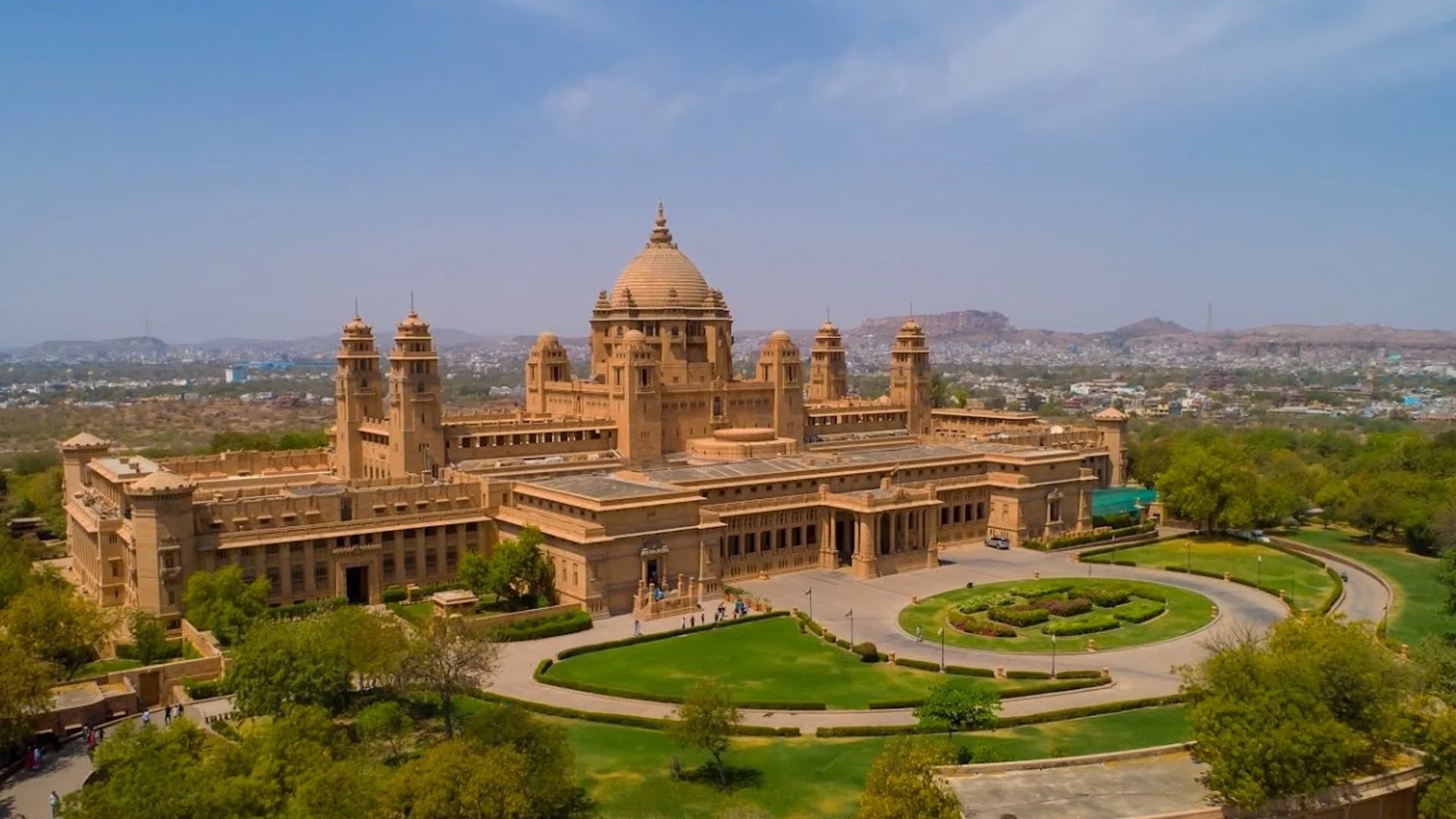
Umaid Bhawan Palace at golden hour — the 347-room sandstone masterpiece on Chittar Hill, one of the world's largest private residences and a case study in how Indian heritage becomes global luxury brand equity
Designed by British architect Henry Vaughan Lanchester and built between 1928 and 1943, Umaid Bhawan employed over 3,000 workers during the famine years — a project deliberately commissioned by Maharaja Umaid Singh as employment relief. Today its 70 hotel suites, managed by Taj, consistently rank among the world's highest-rated heritage properties, demonstrating how cultural provenance converts directly into commercial premium: the palace commands average daily rates exceeding $800, roughly four times the Jodhpur luxury market average.
1. The Indian Luxury Traveller Is Not Who Most Hotels Think
The standard industry profile — affluent, middle-aged, brand-loyal, motivated by status — is accurate but insufficient. What distinguishes the Indian HNW traveller from comparable segments in other markets is the primacy of three factors: celebration, family, and cultural signalling.
First, celebration. India's luxury outbound travel is disproportionately event-driven. Destination weddings, milestone birthdays, anniversary journeys and multi-generational reunions account for an estimated 40 to 50 percent of premium leisure bookings from Indian source markets, according to travel industry data. A Four Seasons resort in the Maldives is not merely selling a holiday — it is hosting what may be the most significant family gathering of the decade. The operational implications — from F&B flexibility to spatial configurations to privacy protocols — are substantial and frequently underestimated.
Second, family. The Indian luxury travel decision is rarely individual. It involves consultation across generations, with the senior family member often retaining final authority even when younger members conduct research and make recommendations. This means marketing must address multiple decision-makers simultaneously — the daughter researching on Instagram, the son comparing on TripAdvisor, the parents evaluating through their travel advisor. A single-channel strategy fails before it begins.
Third, cultural signalling. Indian luxury consumers increasingly value experiences that signal cultural intelligence rather than pure expenditure. A suite upgrade is nice. A private audience with a master craftsman, a chef's table built around regional Indian ingredients reimagined through French technique, access to a collection not open to the public — these signal something more potent: that the traveller possesses taste, not merely money.
“The Indian HNW traveller is not a smaller version of the Chinese outbound market. They are a distinct segment with distinct decision architecture.”
2. The Heritage Moat: Why India's Luxury Story Cannot Be Copied
Consider the competitive landscape. A luxury resort in the Maldives competes with every other overwater villa in the Maldives. A ski lodge in Gstaad competes with every other Alpine property at its price point. Differentiation is expensive, incremental, and easily replicated.
India's luxury properties — particularly its palace hotels, heritage forts and restored havelis — operate within a moat that no competitor can replicate. You cannot build a 15th-century Rajput fortress in the South of France. You cannot manufacture four centuries of continuous royal lineage for a new resort in Cabo. The heritage is real, it is specific, and it converts directly into pricing power.
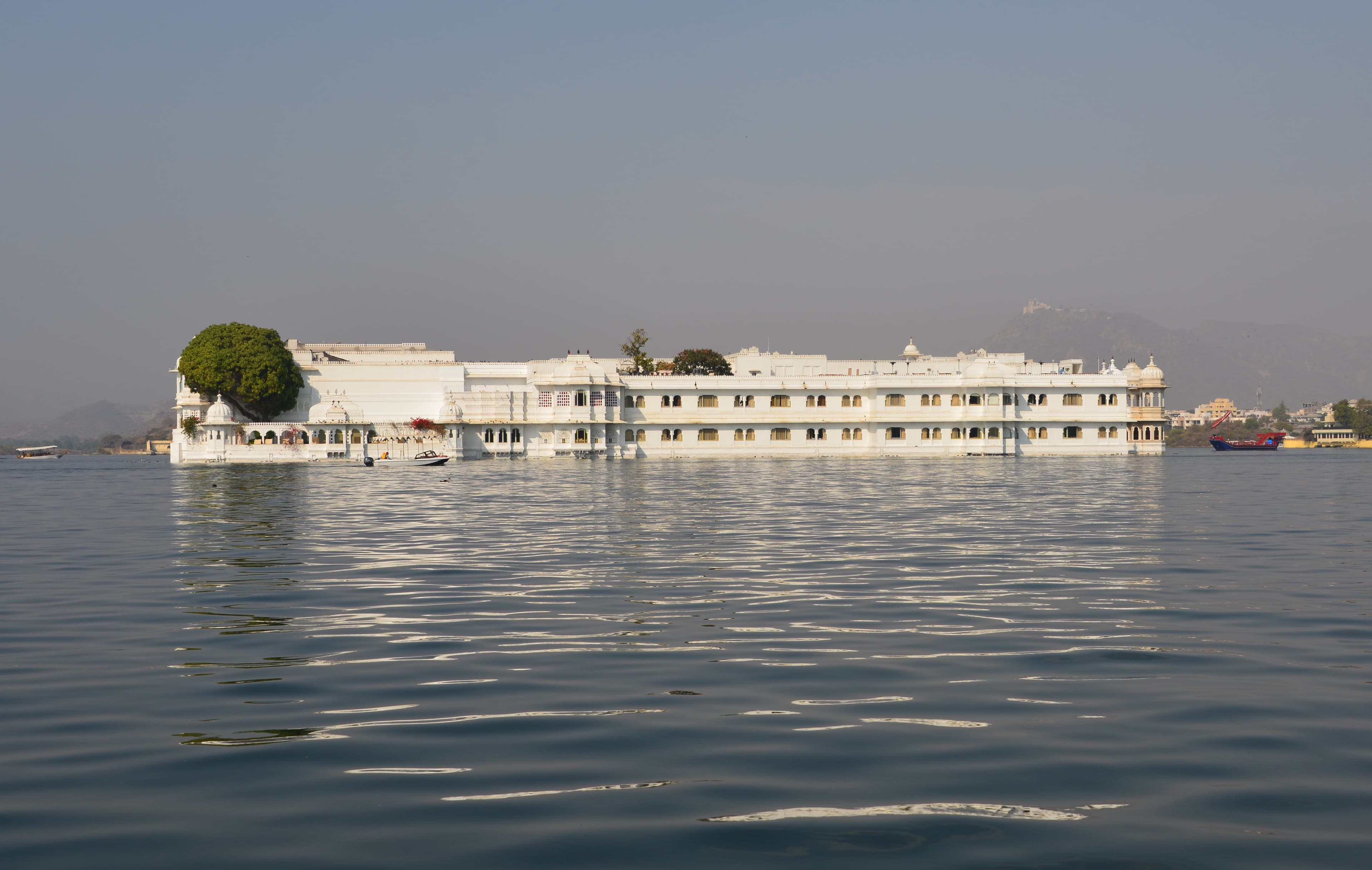
The data supports this. Rajasthan's palace hotels command RevPAR premiums of 60 to 120 percent over comparable luxury chain properties in the same markets, according to hospitality industry benchmarks. The Oberoi Amarvilas, with its uninterrupted Taj Mahal view, achieves average daily rates significantly above Agra's other luxury properties. The Taj Lake Palace in Udaipur — accessible only by private boat — maintains occupancy rates that would be the envy of any urban luxury hotel, despite seasonal fluctuations. These are not accidents of location. They are the commercial expression of an asset class — genuine cultural heritage — that the global hospitality industry has not yet fully learned to price.
The implication for international hotel groups is clear. Entering India with a standard luxury product — excellent service, beautiful design, global brand standards — is necessary but insufficient. The properties that outperform do so because they are impossible to separate from their location. They are destinations before they are hotels.
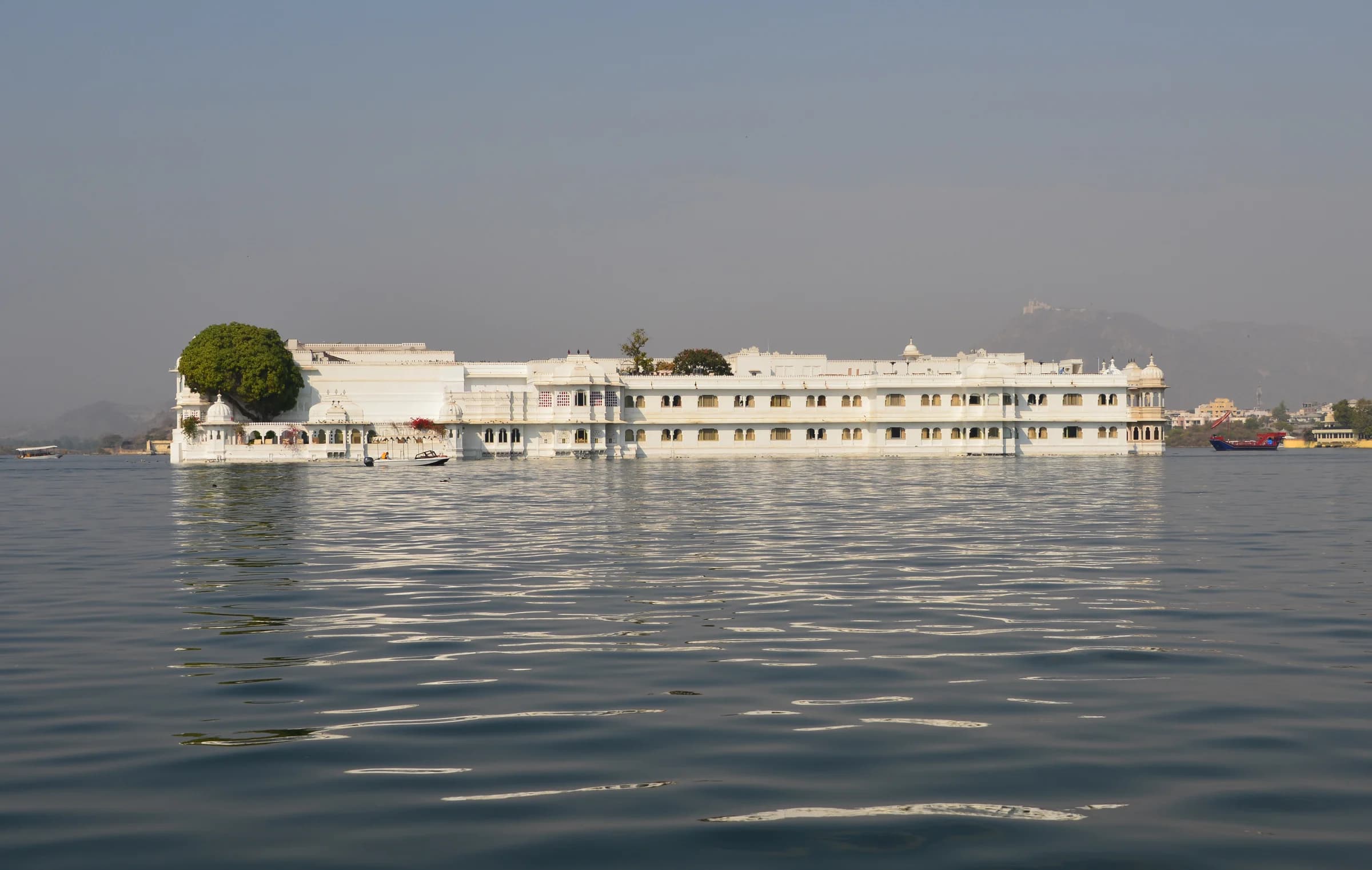
Taj Lake Palace at twilight — the white marble edifice floating on Lake Pichola, four centuries of Mewar royalty distilled into what is regularly ranked among the world's most romantic hotels
Built between 1743 and 1746 by Maharana Jagat Singh II as the pleasure palace of the Mewar dynasty, the Lake Palace occupies a four-acre natural rock foundation on Lake Pichola. Its 65 rooms and 18 grand royal suites, managed by Taj Hotels since 1971, have hosted royalty, heads of state and the kind of traveller for whom a private boat transfer across still water at sunset is not a luxury but a baseline expectation. The property's cultural specificity — it could exist nowhere but Udaipur — is precisely what its global luxury competitors cannot duplicate.
3. Privacy Is the New Upgrade
The most significant shift in Indian luxury travel over the past five years is not technological, culinary or aesthetic. It is the redefinition of luxury away from visibility and toward discretion.
For India's most affluent travellers — particularly UHNW families, industrialists, and the next-generation inheritors of family enterprises — the most valuable hotel experience is increasingly the one few people know they had. Private entrances. Dedicated floors. In-room check-in. Dining in spaces not visible from the main restaurant. Itineraries that do not appear on social media. The ability to occupy a property without being observed occupying it.
This has operational implications. Properties designed around social visibility — grand lobbies, see-and-be-seen restaurants, communal spaces engineered for Instagram — may actually repel the highest-value Indian guests. The properties capturing this segment are often the ones that were never designed for it: heritage buildings with multiple private courtyards, villas with independent access, resorts where dispersion across the grounds is built into the architecture.
The marketing implication is equally significant. Showcasing a property's privacy features requires restraint. You cannot post photographs of a private dining setup on Instagram without undermining the very privacy you are selling. This is where editorial media — trusted, curated, distributed to qualified audiences rather than broadcast to everyone — becomes strategically essential.
The Privacy Premium
Properties that can credibly guarantee discretion — through architecture, operations, and brand positioning — are capturing ADR premiums of 30 to 80 percent among Indian UHNW travellers compared to comparable luxury properties without a privacy proposition. The segmentation is stark: "luxury" is increasingly available to anyone with a credit card. Privacy is available only to those with access. For hotel brands, the latter is the stronger commercial position.
4. Wellness: India's Unfair Advantage
Wellness is the fastest-growing segment of global luxury tourism, with the Global Wellness Institute projecting the wellness tourism market to reach $1.4 trillion by 2027. Within this, India possesses an advantage that no amount of hotel development can replicate elsewhere: it is the birthplace of the practices — Ayurveda, yoga, meditation — that underpin the entire category.
This is not merely a cultural point. It is a commercial one. A wellness retreat in Thailand, however excellent, is operating within a tradition it adopted. A wellness programme at an Indian palace property is operating within the tradition that originated the practice. For the growing segment of luxury travellers who value authenticity as highly as amenity, this distinction carries real weight.
The opportunity for luxury hotels is specific: integrate Indian wellness traditions not as a spa menu add-on but as a genuine programme with intellectual rigour. Ayurvedic consultations with qualified vaidyas, not "Ayurvedic-inspired" massages. Meditation instruction from authentic lineages, not "mindfulness experiences" designed by a brand consultant. Yoga taught by practitioners who understand the philosophical tradition, not merely the asana sequence. Properties that build this capability — Ananda in the Himalayas, SwaSwara in Gokarna, the soon-to-open Six Senses Vana — are already seeing the commercial returns, with wellness-specific guests showing longer average length of stay, higher ancillary spend, and significantly stronger repeat visitation than the general luxury leisure segment.
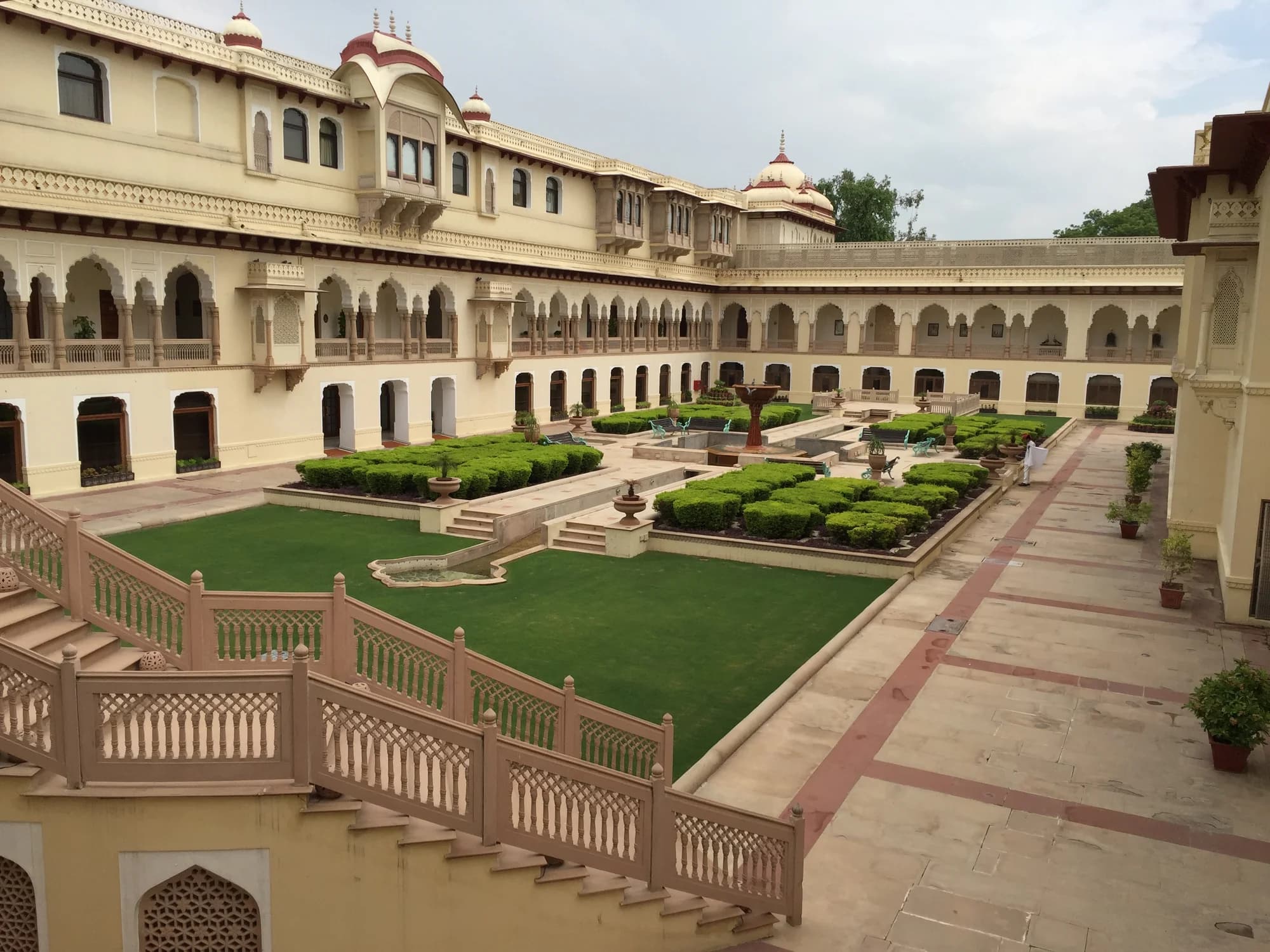
Rambagh Palace Jaipur — the ochre facade catching morning light, peacocks crossing immaculate lawns, the former residence of Maharani Gayatri Devi now one of the world's most celebrated palace hotels, where wellness programming draws on Rajasthani royal traditions
Originally built in 1835 as a garden house, Rambagh was expanded into a royal residence in the early 20th century and became the permanent home of Maharaja Sawai Man Singh II and Maharani Gayatri Devi. Taj Hotels has operated the 78-room property since 1972. The property's wellness offering — which includes private yoga in the Mughal gardens at dawn and Ayurvedic treatments drawing on Rajasthani royal wellness traditions — exemplifies how heritage properties can build programming around cultural authenticity rather than imported spa concepts.
5. The Destination Wedding Economy
The Indian wedding industry is valued at approximately $130 billion annually, making it the largest wedding economy in the world. Within this, destination weddings — both domestic (Rajasthan, Goa, Kerala) and international (Tuscany, Bali, the French Riviera, the Maldives) — represent the fastest-growing premium segment, with industry estimates suggesting annual growth of 20 to 25 percent in the luxury destination wedding category.
For a luxury hotel, a destination wedding is not a banquet-hall booking. It is typically a multi-day, multi-event occupation of 30 to 80 rooms, with F&B spend per head that frequently exceeds the room revenue, events that demand production capabilities closer to a professional theatre than a hotel ballroom, and — critically — a guest list that represents precisely the HNW demographic the property wants to cultivate for future leisure bookings. A single well-executed destination wedding can generate more qualified future leads than a year of digital advertising.
The properties winning this segment share common characteristics: genuine event spaces rather than converted ballrooms (palace courtyards, private beaches, heritage gardens), culinary teams capable of executing multi-cuisine, multi-event programmes across several days, the operational flexibility to accommodate the ritual complexity of Indian weddings (which routinely involve 5 to 10 distinct ceremonies), and — perhaps most importantly — a general manager and events director who understand that an Indian wedding is not a logistical problem to be solved but a cultural production to be honoured.
International properties seeking this market should note: the decision-maker for an Indian destination wedding is rarely the couple alone. The family — particularly the parents funding the event — carries significant influence, and the family's criteria (capacity for extended family, vegetarian and Jain dietary capability, suitability for elders, discretion around religious ceremonies) may not align with the couple's aesthetic preferences. Marketing that addresses both audiences simultaneously — aspirational imagery for the couple, operational reassurance for the parents — outperforms single-narrative campaigns.
“A single well-executed destination wedding can generate more qualified future leads than a year of digital advertising.”
6. The Ecosystem Play: A Hotel Is Not an Island
The luxury hotel industry has a fragmentation problem. Most properties market themselves as if they exist in a vacuum — beautiful photographs of empty rooms, empty pools, empty restaurants. But the Indian luxury consumer does not experience a hotel in isolation. They experience it within a broader ecosystem of luxury consumption that includes jewellery, fashion, automobiles, watches, art, fine dining and private aviation.
The properties that understand this are building marketing not around their room product but around participation in the consumer's wider luxury life. Consider what a single heritage property in Rajasthan could activate: a collaboration with a Mumbai-based couture designer for an in-residence trunk show. A curated jewellery viewing with a Jaipur gemstone house whose clients include European royal families. A vintage automobile rally that begins and ends at the property. A chef's residency programme that brings Michelin-starred talent into dialogue with the property's own culinary tradition. Each activation reaches beyond the hotel's existing audience into the audiences of every collaborating brand.
This is not hypothetical. The Raffles Jaipur, which opened in 2024 in a converted palace outside the city, has built its positioning around precisely this ecosystem logic — positioning itself as a cultural meeting point rather than merely a luxury hotel. Early indicators suggest the strategy is working: the property has generated significant earned media and maintained strong occupancy despite entering a market — Jaipur — that is already among India's most competitive luxury hotel cities.
The commercial logic is straightforward: a hotel that becomes a node in India's luxury network acquires relevance among audiences who were not actively searching for a hotel at all. The jewellery client who attends a private viewing at the property becomes a potential hotel guest. The automobile enthusiast who participates in the rally becomes an advocate. The bride who discovers her wedding venue through a designer collaboration arrives with higher expectations — and a higher budget — than one who found the property through a keyword search.
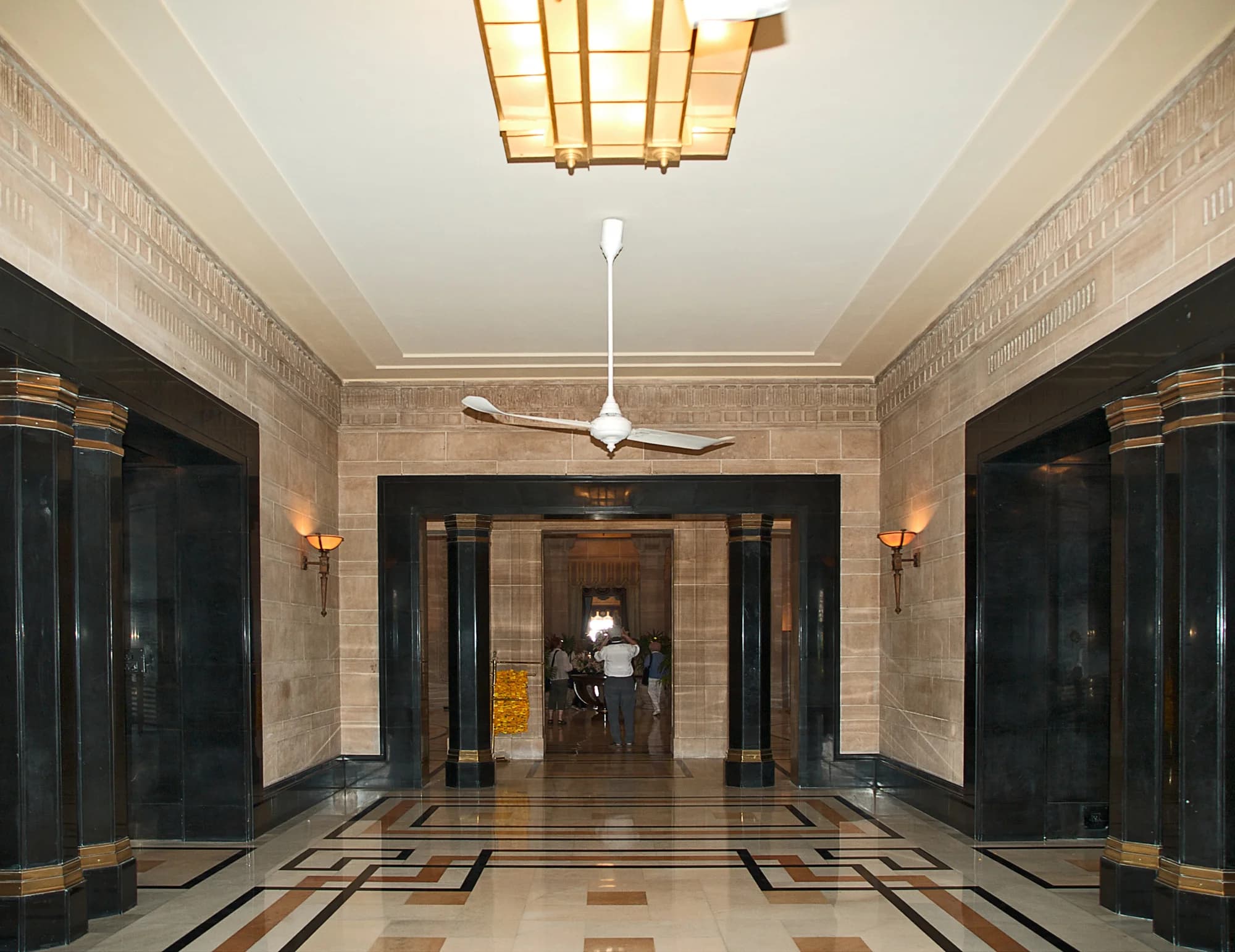
The Durbar Hall at Umaid Bhawan Palace — Indo-Deco mastery where Art Deco elegance meets Rajput grandeur beneath zodiac-painted ceilings, an event space with genuine cultural provenance that no purpose-built convention centre can replicate
The Durbar Hall exemplifies the Indo-Deco style unique to Umaid Bhawan. Designed by Polish artist Stefan Norblin — who fled wartime Europe and spent his later career painting murals for Indian maharajas — the hall's ceiling features elaborate zodiac motifs while its proportions marry streamlined Art Deco geometry with Rajput ornamental richness. Spaces like this offer luxury brands a commercial proposition no amount of new-build investment can manufacture: authentic cultural provenance that converts directly into event revenue, brand association value, and media attention.
7. Why Editorial Storytelling Outperforms Advertising
A luxury hotel's marketing challenge is simple to describe and extraordinarily difficult to solve: the consumer who can afford the product has been trained, by a lifetime of exposure to luxury advertising, to ignore luxury advertising. The target audience has developed what behavioural economists call "persuasion knowledge" — the ability to recognise and discount commercial messaging — to a degree that renders conventional luxury hotel advertising increasingly inefficient.
Editorial storytelling solves for this differently. A beautifully photographed suite in an advertisement says: "We want you to book this room." The same suite, contextualised within a story about the property's architecture, the family that built it, the craftsmen who maintain it, the chef who sources from the neighbouring farms — says: "Here is a world you might want to enter." The first is a transaction. The second is an invitation.
This is not merely a theory of luxury communication. It has commercial implications. Editorial coverage — in a publication whose editorial standards the reader already trusts — generates what the industry calls "borrowed credibility": the authority of the publication transfers, in part, to the subject of the story. A hotel that appears in a Condé Nast Traveller feature, a Monocle travel guide, or a Robb Report property profile is not merely receiving exposure. It is receiving endorsement — implicit, unpaid, and therefore significantly more persuasive than any advertisement the same property could purchase.
The numbers bear this out. Studies of luxury purchase behaviour consistently show that editorial mentions and peer recommendations outweigh paid advertising as decision drivers by margins of 3:1 or greater among HNW consumers. For luxury hotel brands, this means that the most valuable marketing investment may not be an additional programmatic campaign but the cultivation of relationships with publications whose editorial authority aligns with the brand's positioning.
At THE ROYAL GALLERYS, this understanding shapes everything we publish. Our editorial focus — the intersection of Indian royalty, heritage architecture, luxury hospitality, craftsmanship, and the cultural worlds that surround them — gives properties a context in which they are experienced rather than displayed. They appear within a broader narrative of destination, design, history, and culture that no standalone advertisement can replicate.
“A hotel that appears in a trusted editorial environment is not merely receiving exposure. It is receiving endorsement — implicit, unpaid, and therefore significantly more persuasive than any advertisement the same property could purchase.”
The Strategic Opportunity
India's HNW traveller does not need to be convinced that luxury exists. They have experienced it — at Amanpulo and Amangiri, at Cheval Blanc and Château Saint-Martin, at palace hotels in Rajasthan and private villas in the Maldives. They recognise the world's leading hotel brands with the same ease they recognise the world's leading watch brands and automobile marques.
The opportunity for luxury hotels is therefore not to introduce themselves. It is to make themselves matter.
India's advantage in this competition is structural and permanent. Its palaces, its landscapes, its craftsmanship, its cuisine, its celebrations and its living cultural traditions constitute an asset base that no competitor can duplicate. The properties that understand how to translate those assets into contemporary luxury experiences — into privacy, provenance, wellness, celebration and story — will define the industry's next chapter not only in India but globally.
For Luxury Hospitality Brands
THE ROYAL GALLERYS provides a premium editorial environment and brand-storytelling platform at the intersection of Indian royalty, heritage, luxury hospitality, travel and culture. For selected hotels, resorts, destinations and luxury travel brands, we offer editorial features, digital storytelling, print visibility and brand-narrative development — all within a publication whose editorial authority reaches the audiences that matter most to luxury hospitality. Explore partnership opportunities →
Frequently Asked Questions
What distinguishes Indian HNW travellers from other luxury travel segments? Three factors: celebration (an estimated 40–50 percent of premium leisure bookings are event-driven — weddings, milestone birthdays, family reunions), family (purchase decisions involve multiple generations, with seniors often retaining final authority), and cultural signalling (experiences that demonstrate taste and cultural intelligence increasingly outperform pure status expenditure as decision drivers). Hotels that understand these three factors outperform those treating the Indian guest as a generic luxury consumer.
How significant is India's luxury travel market in real numbers? India's outbound tourism spend reached an estimated $34 billion in 2024 and is projected to approach $55 billion by 2034. Within this, India's approximately 350,000 HNW individuals contribute disproportionately, with average per-trip international spend exceeding $12,000. The domestic luxury market is comparably significant: Rajasthan's palace hotels alone generate RevPAR premiums of 60–120 percent over comparable chain properties in the same markets.
What makes Rajasthan a globally distinctive luxury hospitality environment? Rajasthan offers living palaces, forts, havelis and royal collections embedded within a continuous cultural tradition spanning centuries — assets that no competitor can build or replicate. This converts directly into commercial advantage: palace hotels in Rajasthan command pricing power, occupancy rates and brand equity that conventional luxury properties in equivalent markets cannot match.
How should international hotels approach marketing to Indian travellers? With cultural intelligence, not generic luxury positioning. This means addressing multi-generational decision-making (marketing must speak simultaneously to the researching daughter, the comparing son and the authorising parents), accommodating the operational requirements of Indian celebrations (multi-day, multi-ceremony, multi-cuisine), and recognising that Indian luxury consumers respond to cultural signalling — experiences that demonstrate taste, access and intelligence — more strongly than to status appeals.
How can editorial media create commercial value for luxury hotels? Editorial coverage in trusted publications generates what the industry terms "borrowed credibility" — the publication's authority transfers to the subject of the story. Among HNW consumers, editorial mentions and peer recommendations outweigh paid advertising as decision drivers by margins of 3:1 or greater. For a luxury hotel, appearing within a credible editorial narrative — destination, architecture, heritage, experience — is more commercially valuable than the equivalent spend on programmatic advertising.
What should a luxury hotel consider when marketing to the Indian destination wedding segment? The decision-maker is rarely the couple alone — parents funding the event carry significant influence and have distinct criteria (capacity for extended family, dietary capability including vegetarian and Jain requirements, suitability for elders, discretion around religious ceremonies). Marketing must address both audiences: aspirational imagery for the couple, operational reassurance for the parents. Properties that understand wedding events as cultural productions rather than logistical problems capture disproportionate share of this growing segment — and each well-executed wedding generates qualified future leisure leads.
How can a hotel measure whether it has achieved cultural relevance rather than mere visibility among Indian luxury travellers? Cultural relevance can be assessed through several indicators: the proportion of bookings generated through referral and repeat visitation rather than paid channels, the frequency with which the property is discussed in editorial rather than advertising contexts, the presence of the property in the consideration sets of luxury travel advisors serving Indian HNW clients, the volume and sentiment of organic social conversation about the property among Indian luxury consumers, and — most tellingly — whether Indian guests are choosing the property for celebration events (weddings, milestone birthdays, anniversaries) rather than merely for accommodation. A property that hosts celebration events is culturally relevant. A property that hosts only room nights is visible but not yet significant.