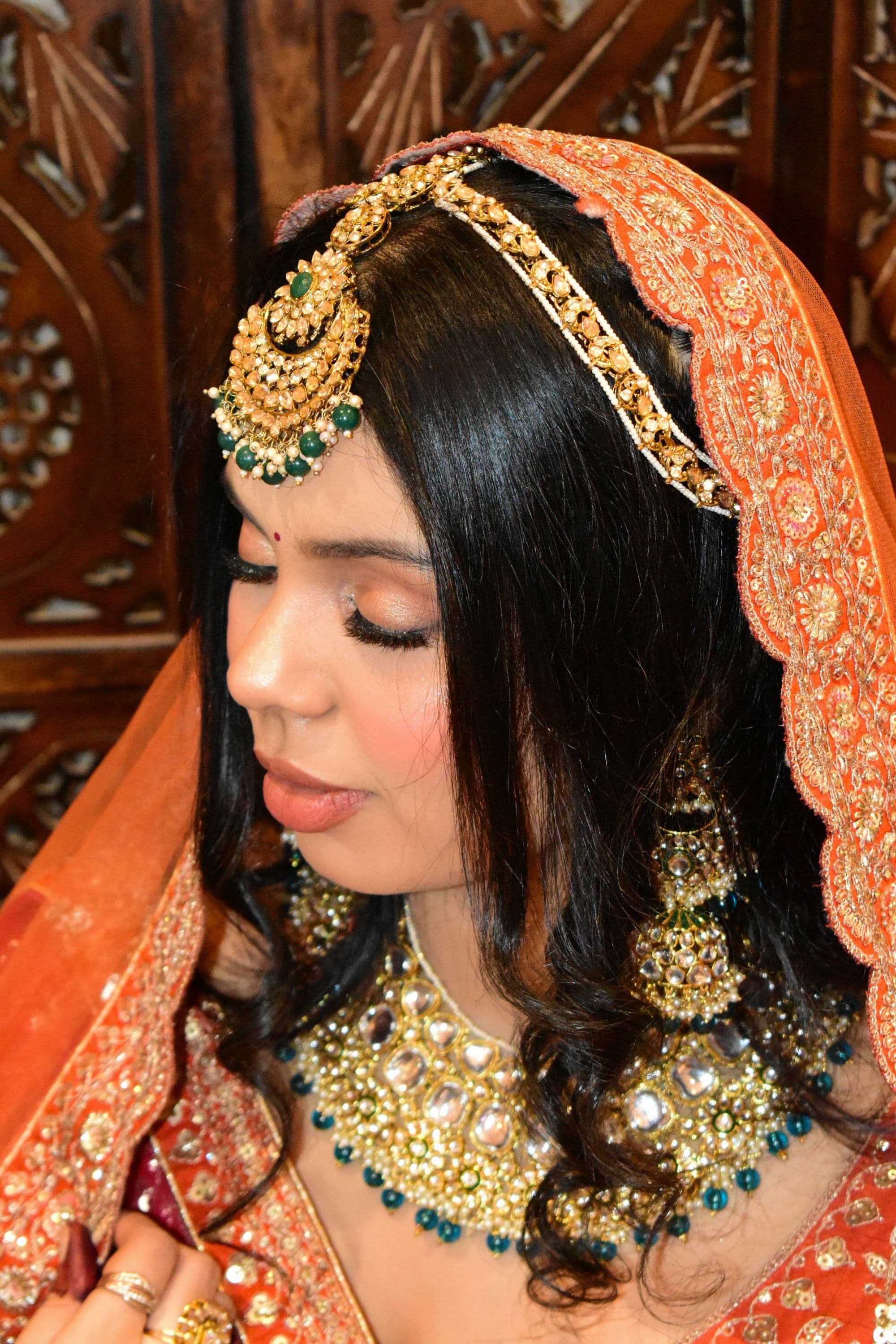
The Indian wedding industry is valued at approximately $130 billion annually — the largest wedding economy in the world. Within it, the destination wedding segment is not merely growing; it is compounding, with industry estimates suggesting annual growth of 20 to 25 percent in the luxury category as increasingly affluent Indian families take their most significant celebrations to Rajasthan, Goa, Kerala, Tuscany, Bali, the French Riviera and the Maldives.
For a luxury hotel, the destination wedding is the highest-value booking the market can produce — and it is routinely treated as a mere banquet-hall transaction. This guide corrects that framing. A destination wedding is a multi-day, multi-event occupation of 30 to 80 rooms, with food-and-beverage spend per head that frequently exceeds the room revenue, events that demand production capability closer to a professional theatre than a hotel ballroom, and — most consequentially — a guest list that represents precisely the HNW demographic the property wants to cultivate for future leisure bookings. A single well-executed destination wedding can generate more qualified future leads than a year of digital advertising.
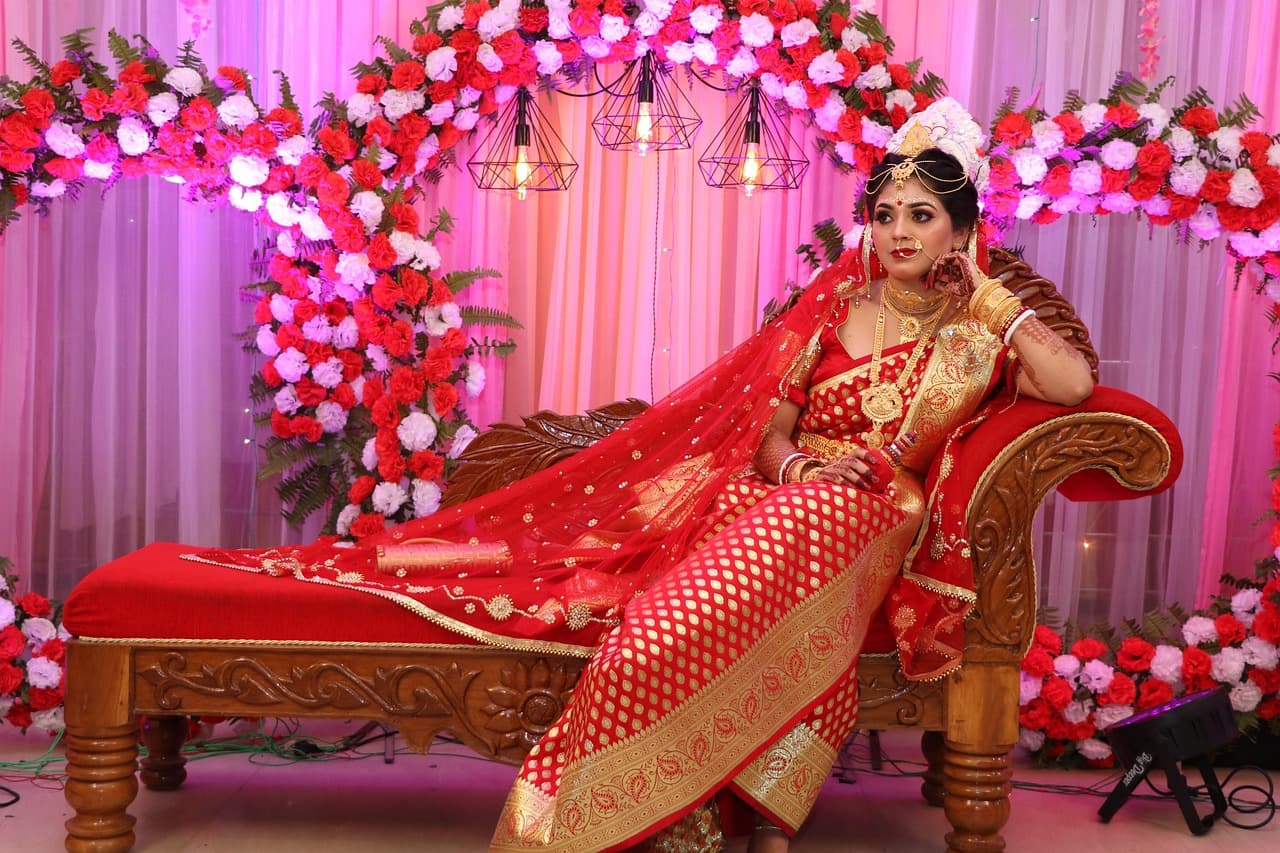
Indian bridal couture — the aesthetic centre of gravity of the destination wedding economy
The destination wedding is, above all, a cultural production. The bride and groom are the principals, but the celebration is a multi-day drama involving hundreds of guests, five to ten distinct ceremonies, and a level of aesthetic and ritual complexity that no conventional event brief captures. Hotels that understand this — and build their capability around it — capture the segment's disproportionate value.
1. The Decision Architecture
The single most important fact about the Indian destination wedding decision is that it is rarely made by the couple alone. The family — particularly the parents funding the event — carries decisive influence, and the family's criteria may diverge sharply from the couple's aesthetic preferences.
The couple is weighing venues on Instagram, on editorial features, on the visual language of the celebration. The parents are weighing operational realities: capacity for extended family, dietary capability that often must include vegetarian and Jain requirements, suitability for elders, and discretion around religious ceremonies. The venue that wins is the one that satisfies both audiences simultaneously — aspirational imagery for the couple, operational reassurance for the parents.
This dual-audience reality has direct marketing implications. Single-narrative campaigns — a beautiful video aimed at the couple, or a dry capabilities document aimed at the parents — underperform. The winning campaigns address both: cinematic, editorial storytelling that captures the couple's imagination, layered over a credible demonstration of operational capacity that reassures the family funding the event.
“A single well-executed destination wedding can generate more qualified future leads than a year of digital advertising.”
2. The Operational Reality
The destination wedding is not a scaled-up banquet. It is a fundamentally different category of event, with operational requirements that conventional hotel event teams are not built to deliver.
The ceremony complexity alone is transformative. An Indian wedding routinely involves five to ten distinct ceremonies — the sangeet, the mehndi, the haldi, the baraat, the pheras, the reception, and regional variations beyond these — each with its own timing, its own space, its own ritual requirements and its own aesthetic. A hotel that treats this as a single event has already failed; the winning property programmes it as a multi-day festival.
The food-and-beverage challenge is equally significant. A destination wedding is not a single banquet but a sequence of meals across several days, frequently multi-cuisine, and must accommodate dietary requirements — vegetarian, Jain, and others — that are non-negotiable for many Indian families. The culinary team that can execute this with genuine excellence, rather than grudging accommodation, converts a constraint into a differentiator.
And the production requirement — staging, lighting, sound, floral, ceremonial logistics — frequently exceeds what a hotel's in-house events team can deliver, requiring a general manager and events director who understand that an Indian wedding is not a logistical problem to be solved but a cultural production to be honoured.
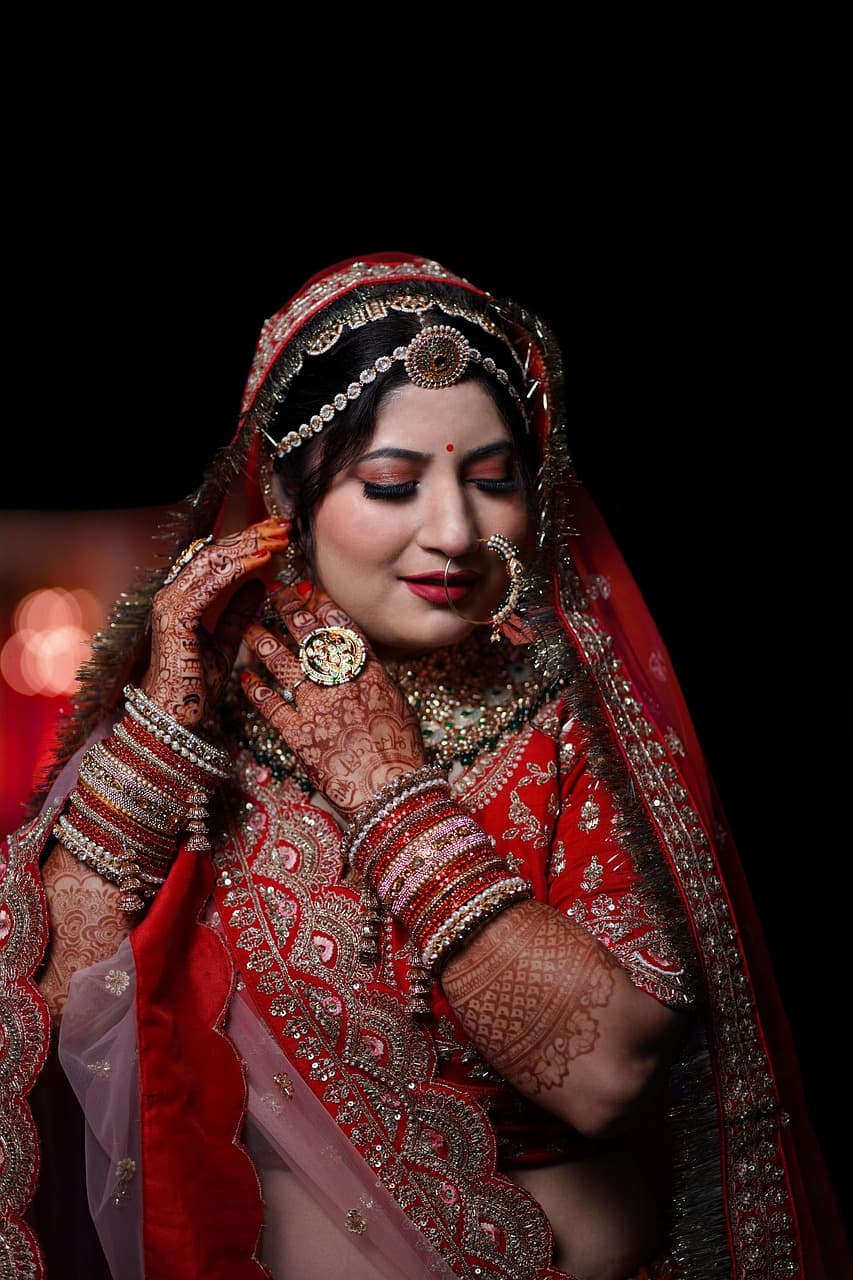
Luxury bridal couture and styling — the visual language of the modern Indian destination wedding
The aesthetic bar for the destination wedding has risen dramatically. Families are commissioning couture, flying in designers, and treating the celebration as a once-in-a-generation production. The hotel that provides a backdrop worthy of this ambition — genuine heritage spaces, private beaches, palace courtyards — positions itself as a collaborator in the celebration rather than a mere venue.
3. Space: The Structural Advantage
The properties winning the destination wedding segment share a common characteristic: genuine event spaces rather than converted ballrooms. Palace courtyards, private beaches, heritage gardens, durbar halls — spaces with cultural provenance and architectural distinction that no purpose-built convention centre can replicate.
This is where heritage properties hold a structural advantage that new-build competitors cannot close. A wedding staged in the courtyard of a 400-year-old fort carries a cultural weight — and generates the editorial attention and social media resonance — that a wedding in a generic ballroom cannot. The venue is not merely the setting for the celebration; it is part of the celebration's meaning.
For international luxury hotels seeking the Indian destination wedding market, this is the critical insight: the couple and family are not buying a room block, they are buying a stage for the most significant production their family will stage in a decade. The property that offers a stage with genuine character — and the operational capability to support the production — wins.
“The venue is not merely the setting for the celebration; it is part of the celebration's meaning.”
4. Pricing and Packaging
The destination wedding should be priced and packaged as the multi-day cultural production it is, not as a banquet-hall transaction. This has concrete consequences for how a hotel structures its offer.
First, the package should reflect the full occupation value — rooms, event spaces, food and beverage across all ceremonies, production support and ancillary services — bundled into a coherent multi-day programme rather than itemised as if the wedding were a conference. The family is buying a production, and pricing should reflect the production's scope.
Second, the package should be structured around the ceremony sequence. The five-to-ten ceremony architecture of an Indian wedding provides a natural packaging scaffold: each ceremony becomes a component of the offer, with its own space, timing and aesthetic, assembled into a coherent multi-day narrative.
Third, the hotel should recognise that the wedding's value extends far beyond the event itself. The guest list — often 200 to 500 HNW individuals — represents a concentrated audience of future leisure guests. A hotel that captures their contact, their experience and their goodwill during the wedding has effectively acquired a year's worth of qualified leads in a single weekend. This lifetime-value logic should inform everything from the initial pricing to the post-event follow-up.
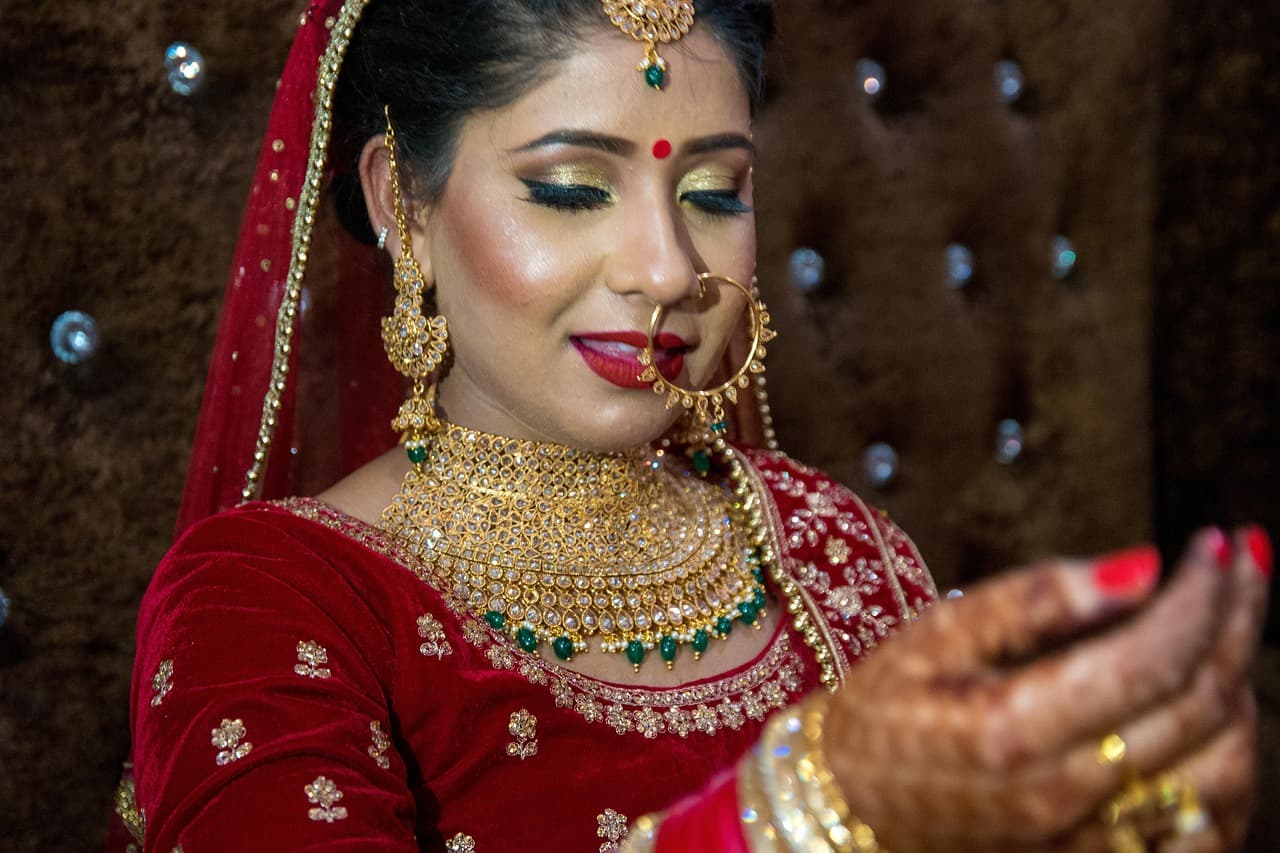
The aesthetic richness of Indian wedding fashion — a reminder of the production values the modern destination wedding demands
The destination wedding guest is also a leisure traveller in the making. Every family member who attends a flawlessly executed wedding is a potential future booking — for anniversaries, milestone birthdays, multi-generational reunions and their own children's celebrations. The wedding is not a one-time transaction; it is the opening of a relationship with an entire extended HNW network.
5. Marketing to Both Audiences
The destination wedding marketing problem is the dual-audience problem restated as a creative brief: how do you speak, simultaneously, to the couple's imagination and the parents' requirements?
For the couple, the brief is editorial and cinematic. They need to see the celebration before it exists — the courtyard at dusk, the reception beneath the stars, the mehndi in the heritage garden. This is where editorial storytelling, photography and film, and visual platform presence do the heavy lifting. The imagery must be aspirational enough to capture a once-in-a-generation imagination.
For the parents, the brief is reassurance. They need to know — concretely — that the property can hold 400 guests, accommodate vegetarian and Jain dietary requirements, provide for elders, and honour the ritual complexity of the ceremonies with discretion and respect. This is where the capabilities documentation, the case studies, and the direct relationship with the events director do the heavy lifting.
The winning strategy addresses both in a single coherent narrative: cinematic storytelling that demonstrates the celebration's possibility, anchored by operational credibility that reassures the family funding it. Properties that master this dual register capture disproportionate share of the market's highest-value bookings.
For Luxury Hotels
Treat the Indian destination wedding as a cultural production, not a banquet. Build genuine event spaces with provenance, develop culinary capability for multi-cuisine, multi-day programmes with full dietary accommodation, and market to both the couple's imagination and the parents' requirements simultaneously. The lifetime value of a single wedding guest list can exceed a year of digital advertising. Discover how THE ROYAL GALLERYS reaches India's destination wedding decision-makers →
6. The Strategic Opportunity
The destination wedding is the point where India's $130 billion wedding economy intersects with luxury hospitality — and it is the highest-value segment in that intersection. The families driving its 20-to-25 percent annual growth are precisely the HNW demographic every luxury hotel wants to reach, and they arrive at the property not as individual guests but as extended networks of future leisure travellers.
The properties that win this segment are not the ones with the largest ballrooms. They are the ones with genuine event spaces, the operational capability to honour a multi-day cultural production, and the marketing sophistication to speak to both the couple and the parents. They treat the wedding as the opening of a relationship, not the closing of a transaction.
The opportunity is structural and growing. The question is whether a property is ready to treat the most valuable booking in Indian travel with the seriousness it deserves.
For Luxury Hotels
THE ROYAL GALLERYS connects luxury hospitality with the decision-makers of India's destination wedding economy — the families, advisors and planners who determine where the country's most significant celebrations take place. For selected hotels, resorts and venues, we offer editorial features, digital storytelling and brand-narrative development that position your property for the highest-value bookings in Indian travel. Explore partnership opportunities →
Frequently Asked Questions
Why is the destination wedding the most valuable booking a luxury hotel can win? It is a multi-day, multi-event occupation of 30 to 80 rooms with food-and-beverage spend per head that frequently exceeds the room revenue, and it brings a guest list that represents precisely the HNW demographic the property wants to cultivate for future leisure bookings. A single well-executed destination wedding can generate more qualified future leads than a year of digital advertising.
Who actually makes the destination wedding decision? Rarely the couple alone. The family — particularly the parents funding the event — carries significant influence, and the family's criteria (capacity for extended family, dietary capability including vegetarian and Jain requirements, suitability for elders, discretion around religious ceremonies) may not align with the couple's aesthetic preferences. Marketing must address both audiences simultaneously.
What operational capabilities do destination weddings require? Genuine event spaces rather than converted ballrooms (palace courtyards, private beaches, heritage gardens), culinary teams capable of executing multi-cuisine, multi-event programmes across several days, the flexibility to accommodate the ritual complexity of Indian weddings — routinely 5 to 10 distinct ceremonies — and a team that understands a wedding is a cultural production, not a logistics problem.
How should a hotel market to both the couple and the parents? With a dual narrative: aspirational imagery and creative storytelling for the couple, operational reassurance — capacity, dietary capability, elder suitability, discretion — for the parents. Single-narrative campaigns that address only one audience underperform in a market where the funding authority and the aesthetic decision-maker are often different people.
What makes a heritage property structurally advantaged in the wedding segment? Heritage properties possess event spaces with genuine cultural provenance — palace courtyards, heritage gardens, durbar halls — that no purpose-built convention centre can replicate. This converts directly into pricing power and desirability for couples and families seeking a celebration that signals cultural depth rather than standardised luxury.
How should hotels price and package a destination wedding? By treating it as a multi-day cultural production with bundled event spaces, F&B, accommodation and ancillary services, rather than a banquet-hall transaction. Packaging should reflect the full occupation value and be structured around the 5–10 ceremony sequence that defines an Indian wedding.