The Castle of Mey: The Queen Mother's Fortress Against the Northern Sea
Six miles west of John o' Groats overlooking the turbulent Pentland Firth — how a grieving royal widow rescued a roofless 16th-century fortress and cultivated a blooming paradise in the teeth of Arctic gales.
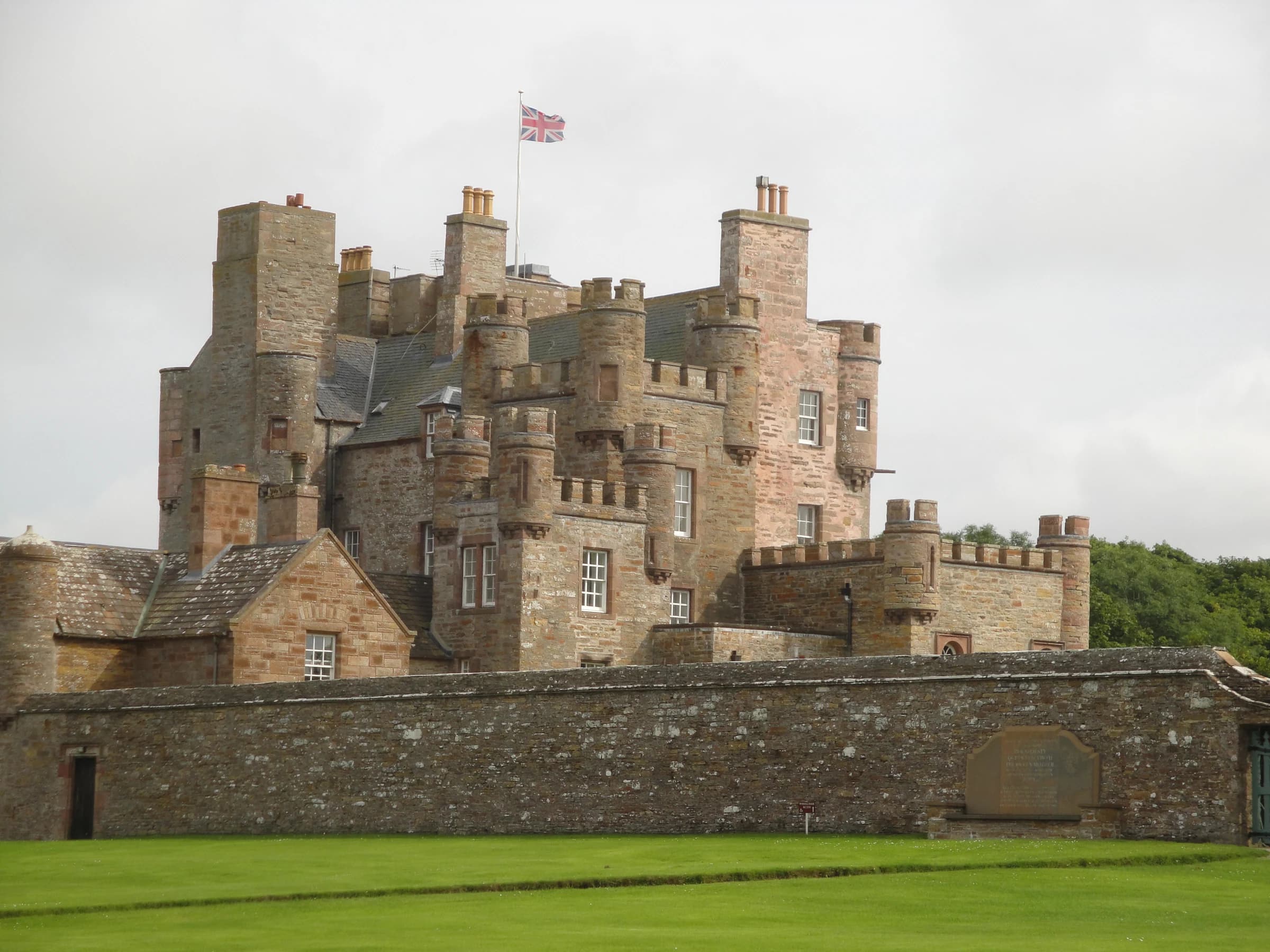
In August 1952, six months following the sudden death of King George VI, Queen Elizabeth The Queen Mother was staying with friends in the remote, wind-scoured reaches of Caithness in Scotland's extreme north. Heartbroken and searching for solitude away from official court life, she caught sight of Barrogill Castle — a crumbling 16th-century fortress perched solitary against the horizon, its slate roofs collapsing and its ancient stone ramparts exposed to the fury of North Atlantic squalls.
When informed that the derelict property was on the verge of being sold for scrap demolition, the Queen Mother made the spontaneous decision to purchase it. It was the only home she would ever own in her own right. She immediately restored its historic ancestral name — the Castle of Mey — which had been bestowed upon it when George Sinclair, 4th Earl of Caithness, constructed the Z-plan fortified tower house between 1566 and 1572.
“There is something about this wild corner of Scotland — where the sky meets the northern tides — that restores the soul more surely than any court salon in Europe.”
The Miracle of the Walled Garden
One of the Queen Mother's crowning achievements at Mey was the creation of a two-acre walled garden. In a coastal environment so brutally windy that native trees cannot grow upright and salt spray burns vegetation for months on end, she constructed towering 12-foot stone protection walls. Inside this microclimate sanctuary, she cultivated Albertine rambling roses, English sweet peas, delphiniums, and Scottish marigolds.
Through clever planting of hardy escallonia hedging, the garden defied Arctic latitudes to become one of the most celebrated horticultural gems of the Scottish Highlands. The Queen Mother spent three weeks every August and ten days in October here, donning waders and oilskin coats to walk along the stony beaches of the Pentland Firth with her beloved corgis, scanning the water for passing seals and Orkney fishing boats.
The King's Foundation and Modern Stewardship
In 1996, the Queen Mother established the Queen Elizabeth Castle of Mey Trust to secure the estate's long-term preservation for the benefit of the Caithness community. Today, under the stewardship of King Charles III through The King's Foundation, the castle maintains its authentic mid-century character: the chintz slipcovers, open peat fires, family photographs on sideboards, and shells collected by the royal grandchildren.
The Granary Lodge — a luxury 10-bedroom guest lodge opened on the estate in 2019 by King Charles III (then Duke of Rothesay) — allows discerning travelers to stay directly on the castle grounds, experiencing bespoke Highland breakfasts, private walled garden strolls at twilight, and total immersion in Scotland's quietest royal sanctuary.
Visiting the Castle of Mey & Staying at The Granary Lodge
- The Granary Lodge: The estate offers 10 sumptuously appointed bed-and-breakfast suites within the former granary, featuring traditional Scottish fabrics and views across to the Orkney Islands.
- North Coast 500: The Castle of Mey sits directly on the world-renowned North Coast 500 touring route, making it an indispensable luxury stopping point between Inverness and Caithness.
- Royal Week Closure: The castle is traditionally closed to visitors for a brief period in early August when King Charles III and Queen Camilla take up residence for their annual Caithness retreat.