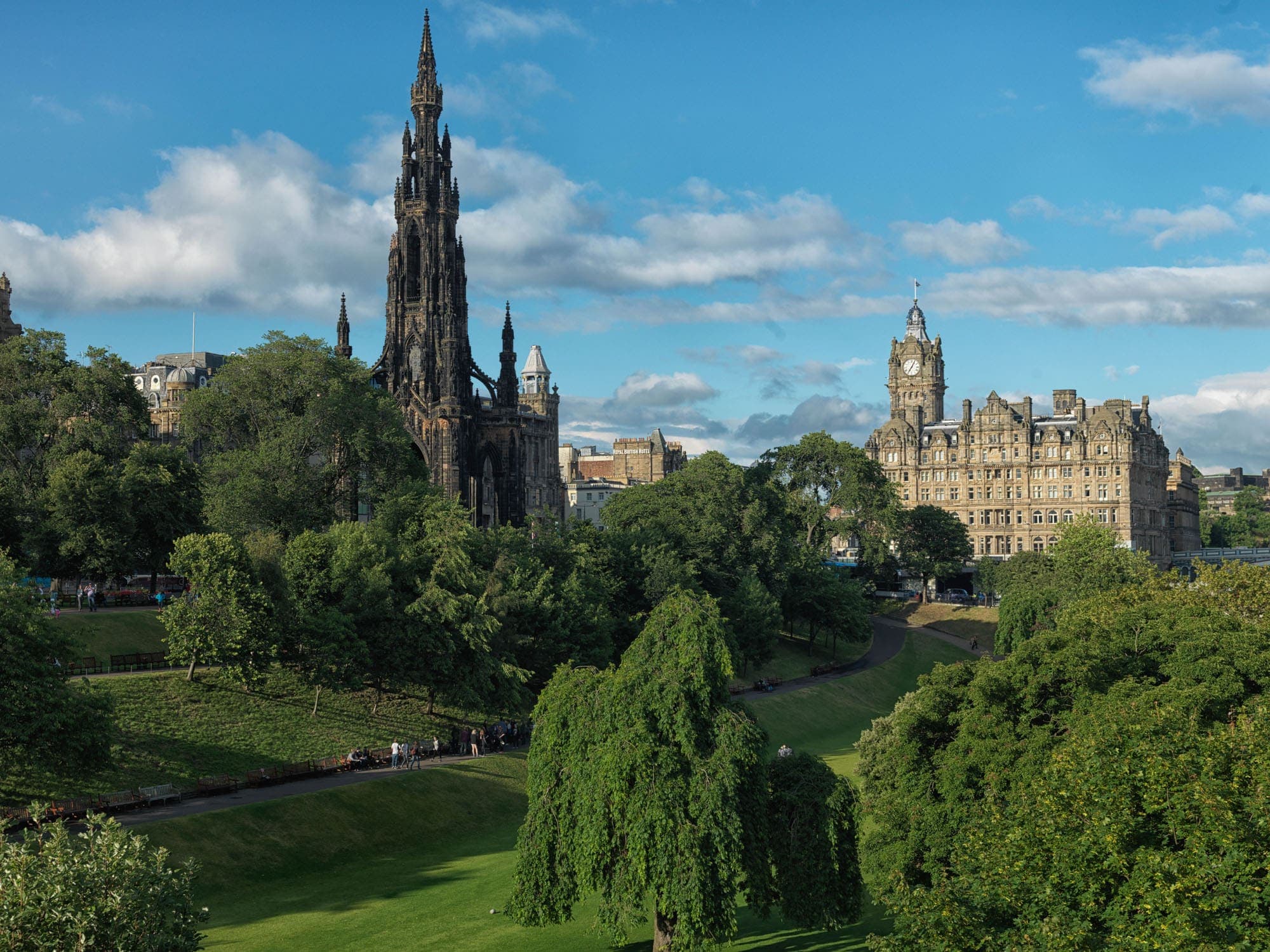
The Great Royal Estates of Scotland
Balmoral, Holyroodhouse, and the Castle of Mey: The architecture, private rituals, and living history of the British Crown in Scotland.
In Scotland, the British Monarchy undergoes a profound psychological transformation. Stripped of the neoclassical protocol of London's palaces, sovereign life reconnects with landscape, clan culture, and architectural tradition.
Ever since Queen Victoria declared Royal Deeside “my dear paradise in the Highlands,” Scotland has functioned not as an outpost of royal duty, but as its private heart. Here, the Sovereign wears tweed and kilt, stalks deer across heathered corries, and participates in highland gatherings that have survived for centuries.
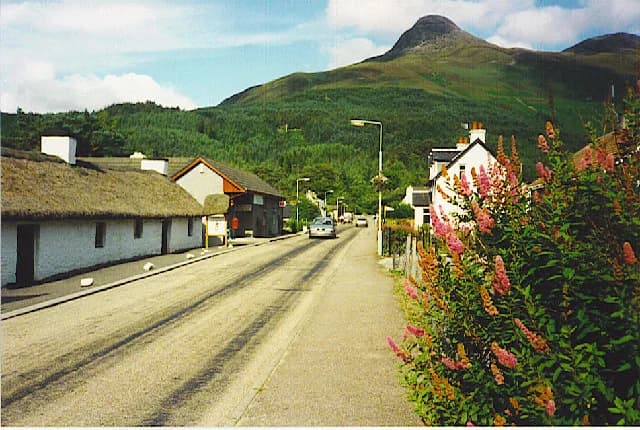
Balmoral Castle
The Private Granite Citadel Where the British Sovereign Breathes
When Prince Albert purchased the 50,000-acre Balmoral estate in 1852 for £32,000 without having initially set eyes on it, he commenced a transformation that reshaped European royal leisure. Deeming the original 15th-century castle insufficient for the royal household, Albert collaborated with Aberdeen city architect William Smith to construct a new Scottish Baronial palace of pale Glengelder granite. Its 80-foot clock tower, corbelled corner bartizans, and crow-stepped gables revived medieval Scots forms through the prism of German Romanticism. For five generations of British monarchs, Balmoral has served not as a state stage, but as an intimate family sanctuary.
The Balmoral Tartan designed by Prince Albert in 1853, exclusively reserved for the reigning monarch and members of the Royal Family.
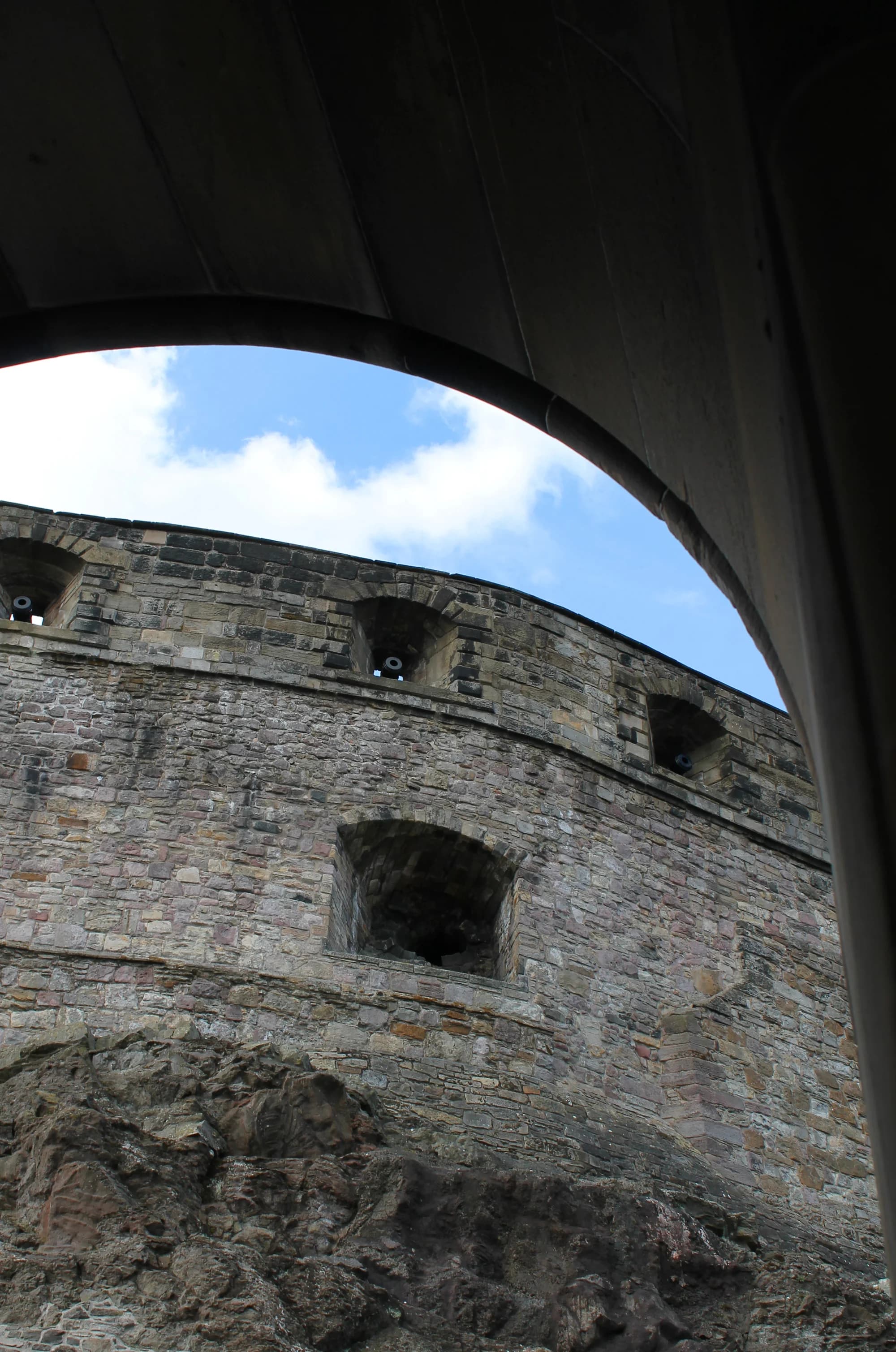
The Palace of Holyroodhouse
The Seat of Mary, Queen of Scots at the Foot of the Royal Mile
Standing at the eastern terminal of Edinburgh's historic Royal Mile beneath Salisbury Crags, the Palace of Holyroodhouse originated as an Augustinian abbey founded in 1128 by King David I. In the early 16th century, James IV transformed the guesthouse into a royal palace. It was here that Mary, Queen of Scots lived out the most tempestuous episodes of her reign, including the assassination of David Rizzio in her private supper chamber. Rebuilt under Charles II by Sir William Bruce into a harmonious Baroque quadrangle with Doric and Ionic pilasters, Holyroodhouse remains the vibrant center of the Sovereign's official 'Royal Week' in Scotland each summer.
The Great Gallery, hung with 110 portraits of Scottish monarchs painted between 1684 and 1686 by Dutch artist Jacob de Wet II.
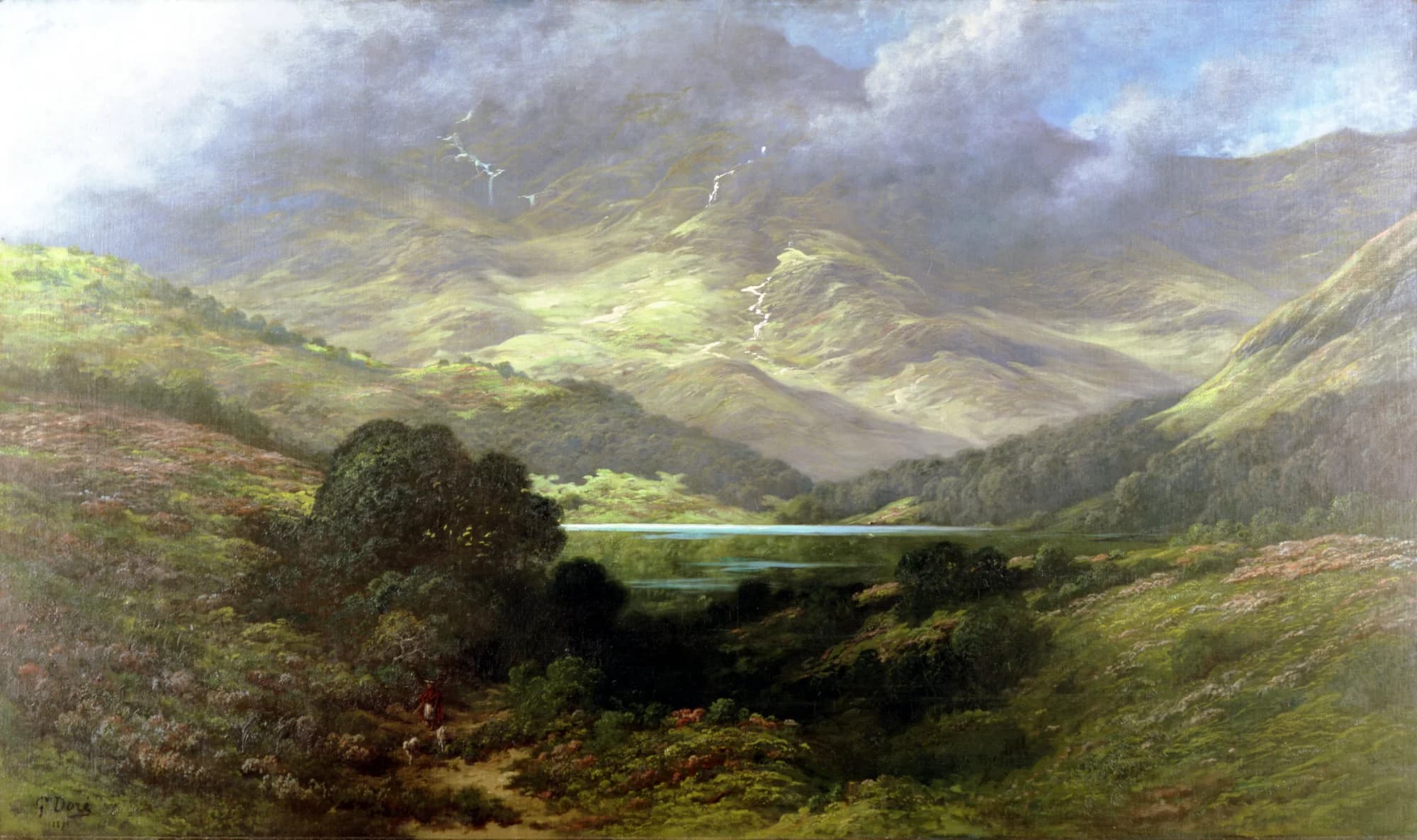
The Castle of Mey
The Queen Mother's Fortress Against the Pentland Firth
In 1952, shortly following the death of King George VI, Queen Elizabeth The Queen Mother was visiting friends in northern Scotland when she saw the derelict Barrogill Castle perched six miles west of John o' Groats. Overlooking the turbulent tides of the Pentland Firth toward the Orkney Islands, the 16th-century stronghold had fallen into near-total abandonment. The Queen Mother purchased the estate, restored its original historic name of the Castle of Mey, and created a haven of walled gardens, rare hybrid roses, and Scottish tweed interiors. The estate is now stewarded by The King's Foundation, continuing her legacy of rural craftsmanship and Highland hospitality.
The two-acre Walled Garden, ingeniously protected from North Sea gales by high stone ramparts and thriving with English roses, sweet peas, and vegetables.