The Visual World of Royal Rajasthan
Rajasthan occupies a unique position in the imagination of Indian luxury. The princely states of this desert region — Jaipur, Jodhpur, Udaipur, Bikaner, Jaisalmer, and others — produced an extraordinary concentration of architectural, textile, and jewellery traditions that continue to define what many people, both within India and internationally, visualise when they think of Indian royal luxury.
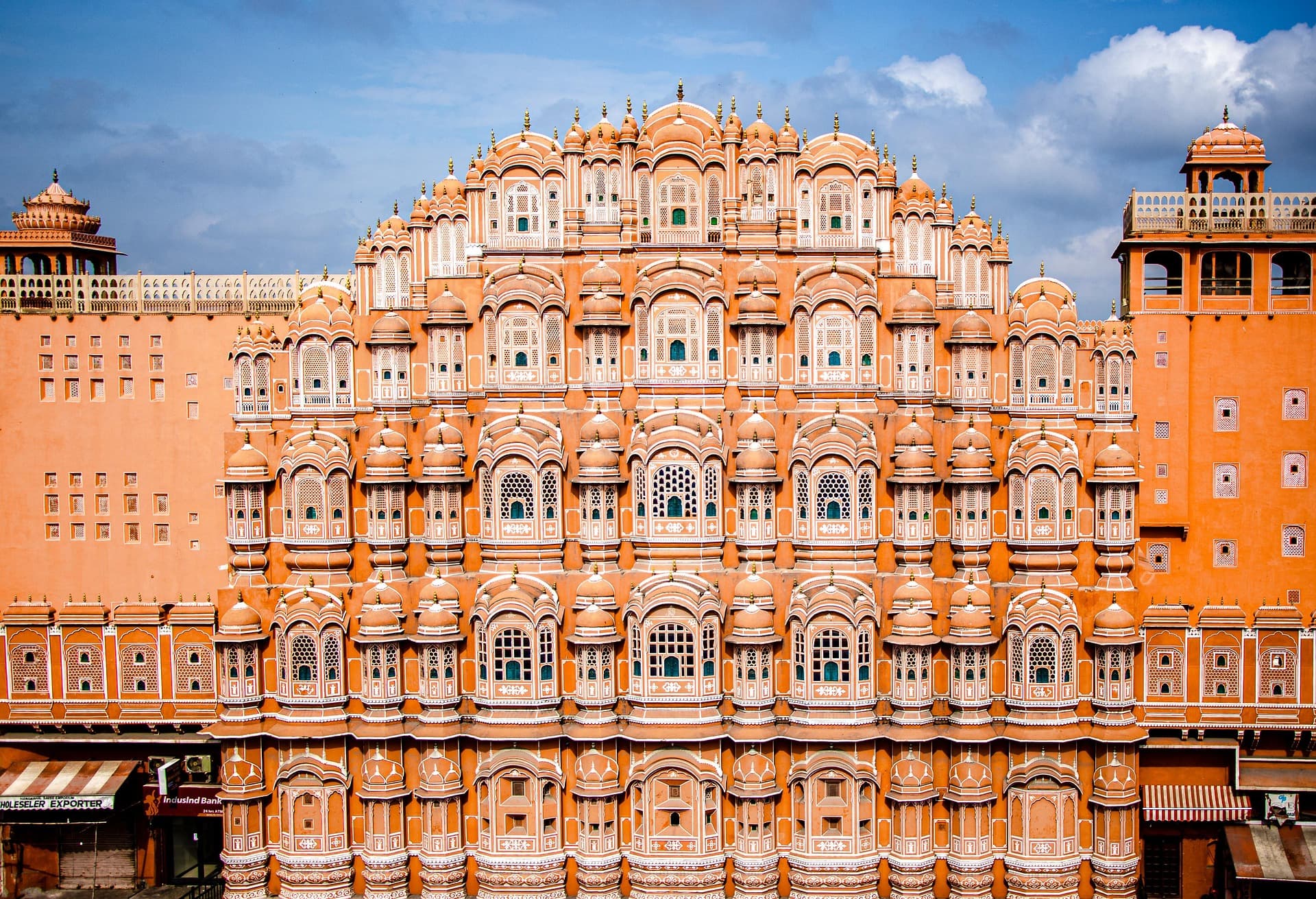
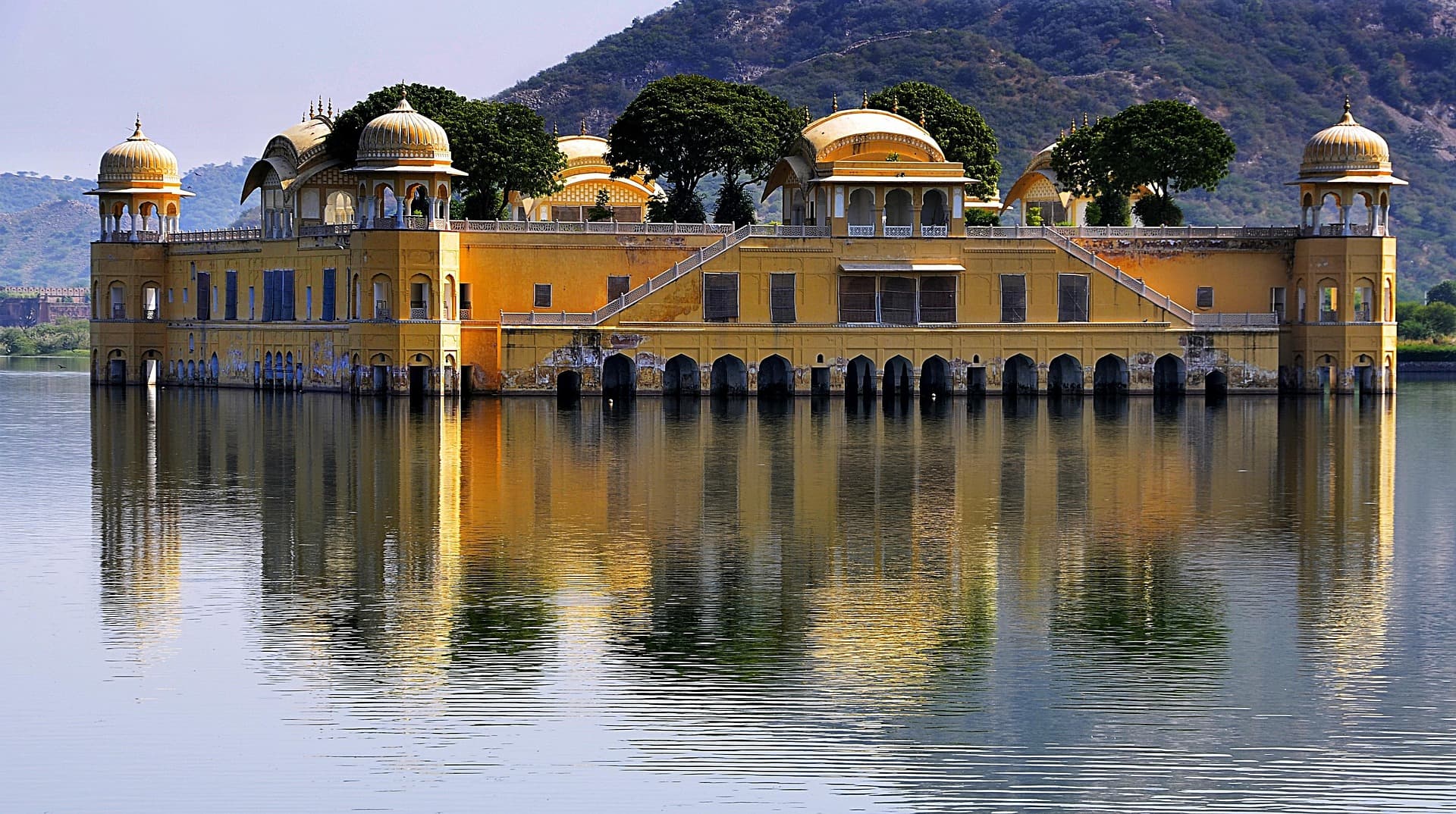
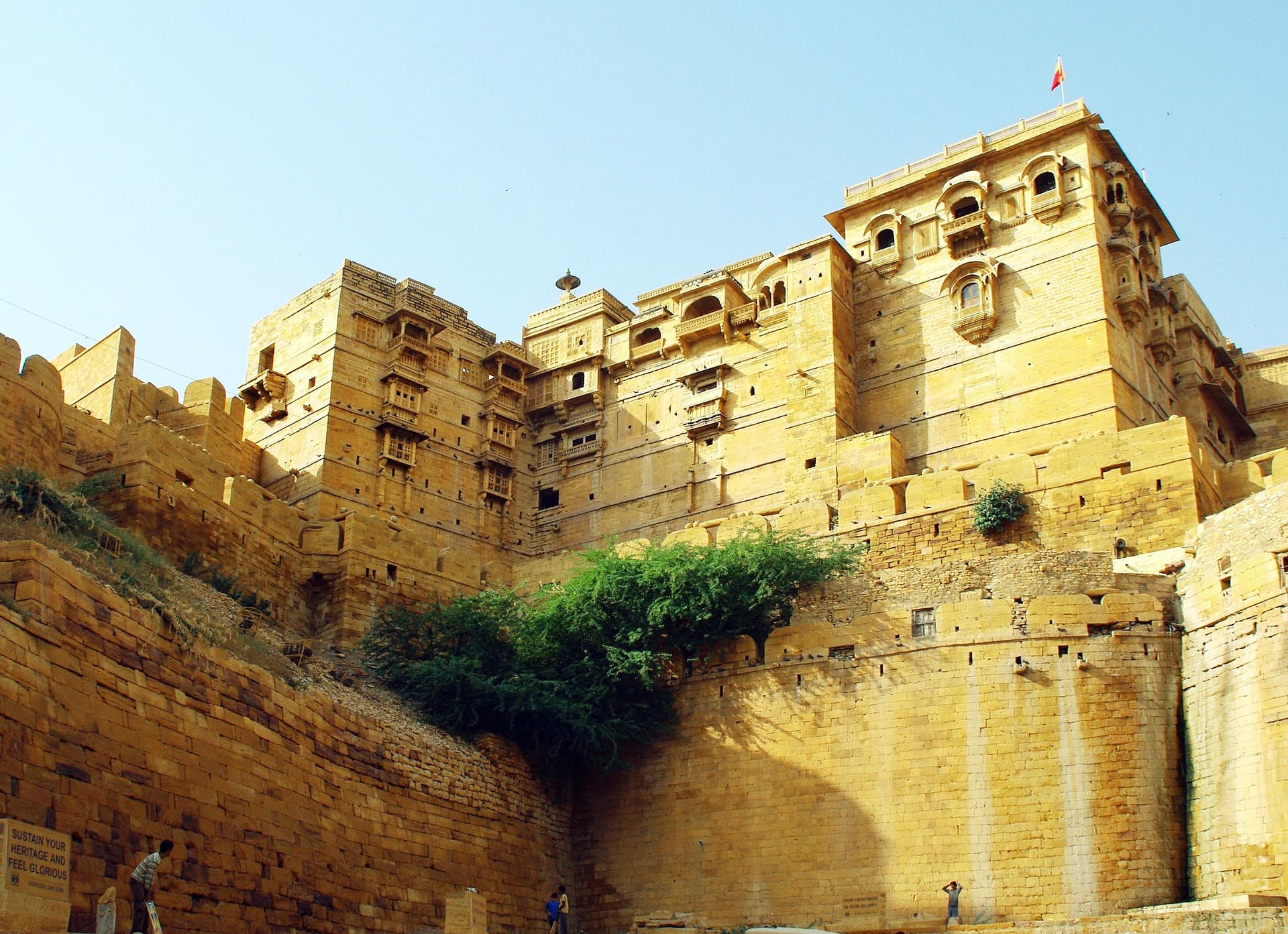
The palaces of Rajasthan — the City Palace of Udaipur rising from the waters of Lake Pichola, the Mehrangarh Fort of Jodhpur crowning its basalt cliff, the Hawa Mahal of Jaipur with its 953 latticed windows, the golden sandstone of Jaisalmer Fort — are not merely historical monuments. They are active creative references for fashion designers, photographers, stylists, and creative directors who draw from this visual vocabulary to inform their work.
The colour palette of Rajasthan's royal architecture — the ochres and pinks of Jaipur, the deep blues of Jodhpur's old city, the whites of Udaipur's marble palaces, the golds and ambers of the Thar Desert — appears repeatedly in fashion collections, both Indian and international. The textures of carved stone, latticed marble, mirrored interiors, and painted frescoes find echoes in textile design, embroidery techniques, and surface embellishment. The proportions of Rajasthani architecture — the monumental gates, the intimate courtyards, the vertical emphasis of chhatris and shikharas — influence silhouette, volume, and the relationship between garment and body.
“Rajasthan's palaces are not merely historical monuments. They are active creative references for fashion designers across the world.”
Rajasthan's Textile Traditions: A Living Creative Resource
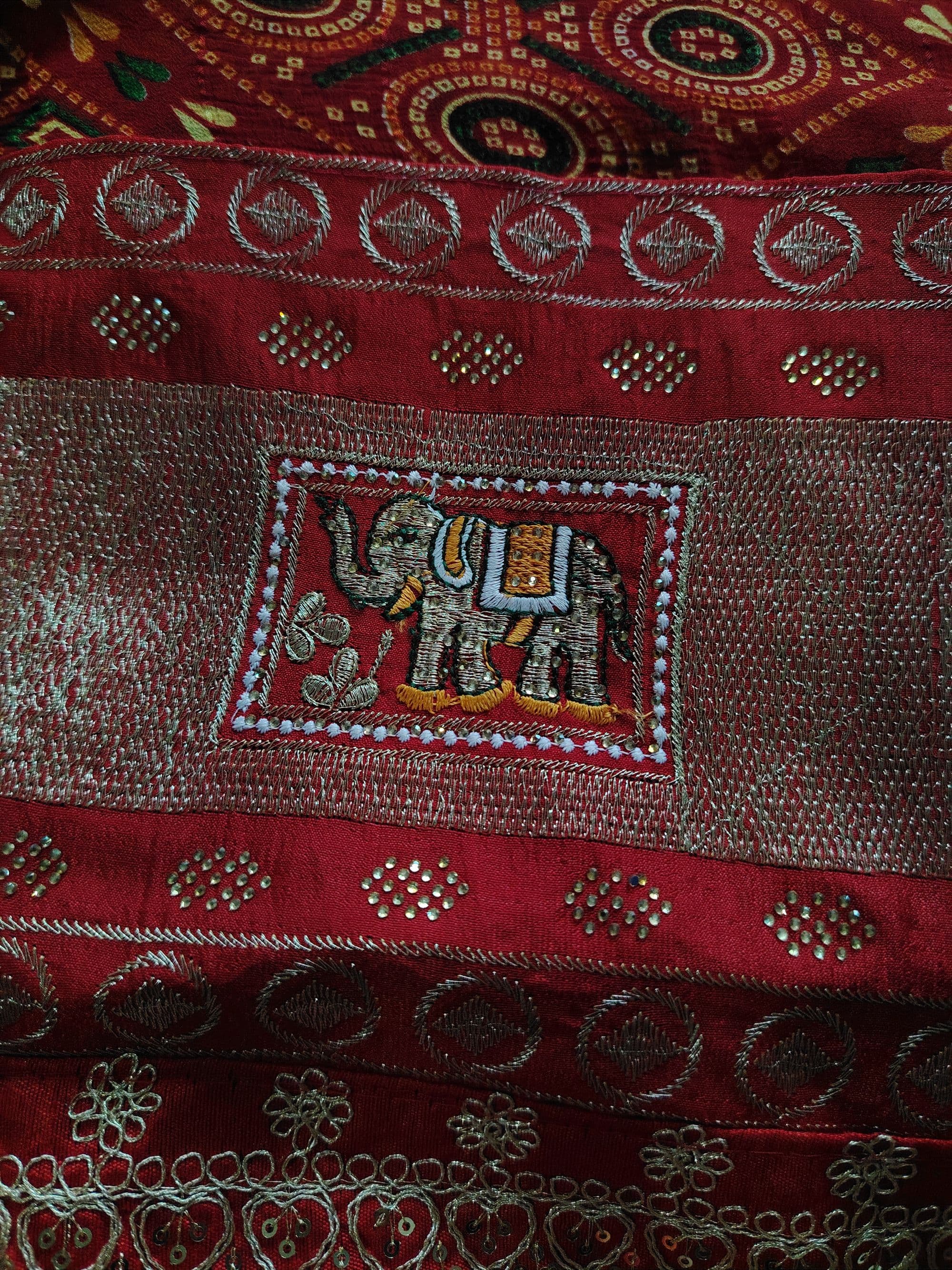
Rajasthan possesses one of the richest textile craft traditions in India, and these living traditions — practiced by thousands of artisans across the state — provide direct creative resources for contemporary fashion. The region's signature techniques include bandhani (the intricate tie-dye practiced in Jaipur, Jodhpur, and across the state), block printing (the carved wooden-block printing traditions of Sanganer and Bagru), leheriya (the wave-pattern tie-dye distinctive to Rajasthan), and gota-patti (the application of gold and silver ribbon embroidery).
These are not historical techniques preserved for museum demonstrations. They are commercially active craft sectors, producing textiles for wedding trousseaus, festival wardrobes, and increasingly, for fashion designers who incorporate these traditional textiles into contemporary collections. A designer who uses a traditional bandhani textile in a modern garment is not simply referencing heritage — they are participating in a living craft economy, supporting artisan communities, and helping to ensure the continued vitality of traditions that might otherwise face economic pressure.
The international fashion industry's engagement with Rajasthani textiles has historically been complex. There have been instances of appropriation — international brands using Indian textile techniques without acknowledgment or equitable compensation. But there have also been productive collaborations: Dior's partnership with Mumbai's Chanakya atelier, which employs artisans trained in Rajasthani and other Indian embroidery traditions; international designers who have worked directly with Rajasthani craft communities to develop collections that honour the traditions while reaching global audiences. The future of this engagement increasingly depends on the latter model — transparent, equitable partnerships that benefit both the international brand and the artisan community.
The Royal Ceremonial Wardrobe as Fashion Archive
The ceremonial wardrobes of Rajasthan's royal families represent an extraordinary fashion archive — collections of garments, textiles, and accessories that document centuries of evolving taste, technique, and cultural exchange. These collections, some preserved in palace storerooms and others in museum collections, provide direct inspiration for contemporary designers who study them for their colour combinations, textile pairings, embroidery placements, and overall aesthetic intelligence.
What is particularly valuable about these archival collections is that they document a living fashion tradition rather than a static historical one. The garments reveal how royal dressing evolved over time — how Mughal influences were absorbed and transformed, how European tailoring techniques were incorporated alongside Indian draping, how new materials and techniques were adopted while traditional forms were preserved. This history of creative adaptation and cultural synthesis is directly relevant to contemporary designers navigating the relationship between Indian tradition and global fashion.
Several contemporary designers have spoken about the formative influence of studying royal garment collections. The experience of handling a nineteenth-century royal garment — feeling the weight of the silk, examining the precision of the embroidery, understanding how the garment was constructed — provides an education in quality and refinement that cannot be obtained from photographs or museum displays.
“A Sabyasachi bridal lehenga is recognisably a garment of its time — but a time in active dialogue with the past.”
Contemporary Reinterpretations: The Royal Aesthetic in Modern Fashion
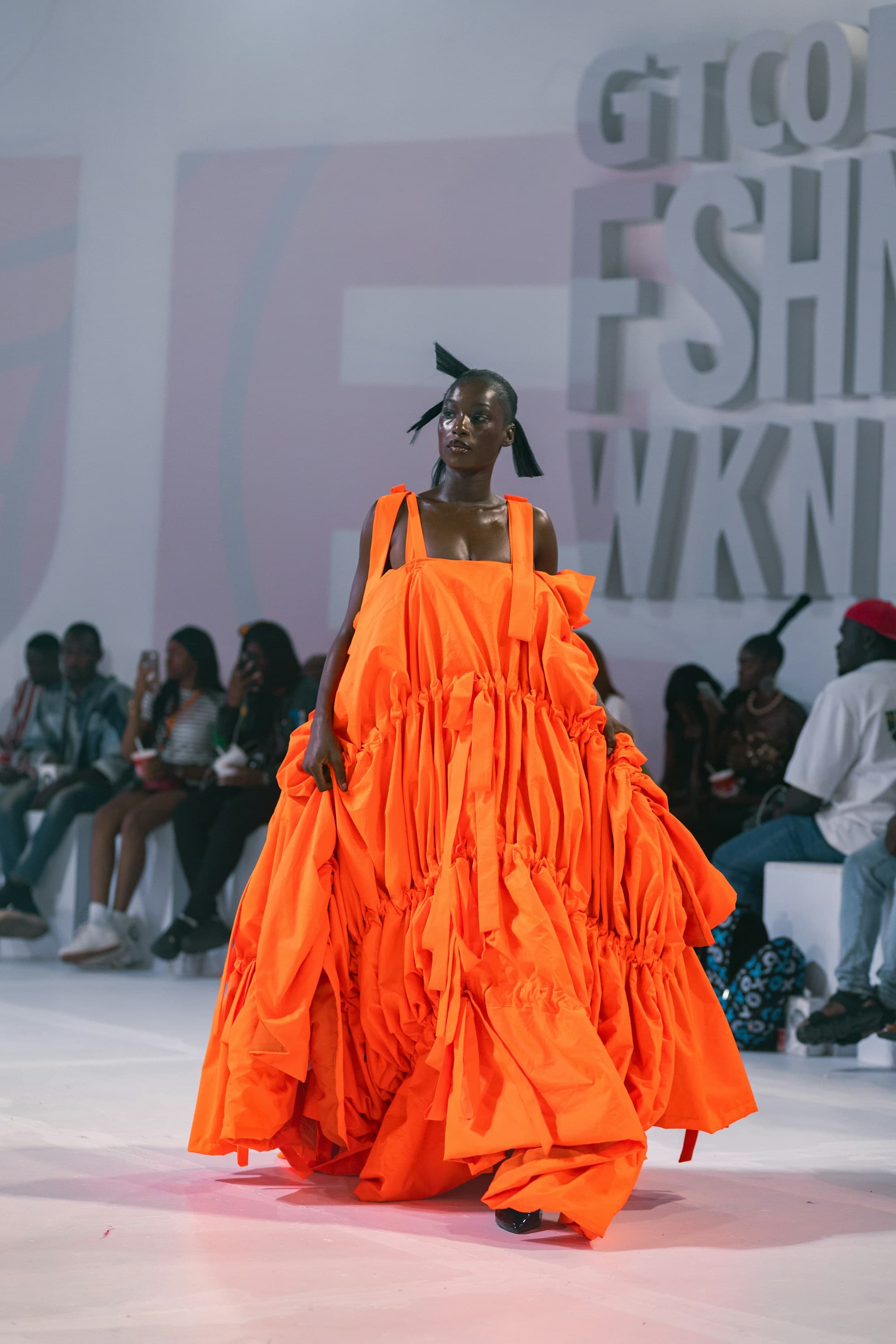
The most interesting responses to India's royal fashion heritage are not literal reproductions but contemporary reinterpretations — designers who absorb the principles of royal dressing and express them in work that is entirely of the present. This is a sophisticated creative practice that requires deep knowledge of the historical references combined with the confidence to transform them.
Raghavendra Rathore's work with the bandhgala provides a case study. The bandhgala, or Jodhpuri jacket, has its origins in the royal courts of Rajasthan, where it evolved as a formal garment combining Indian tailoring traditions with European-influenced construction. Rathore has taken this historical garment and turned it into a contemporary fashion piece — refining the cut, experimenting with fabrics and colours, and styling it in ways that make it relevant for a man who might wear it to a boardroom meeting or an international event rather than a durbar hall.
Similarly, Sabyasachi's engagement with royal aesthetics — his use of heritage textiles, his references to archival colour palettes, his incorporation of traditional jewellery forms into his styling — is not an exercise in nostalgia. It is a sophisticated creative strategy that uses the visual vocabulary of Indian royal luxury to create fashion that feels simultaneously timeless and contemporary. A Sabyasachi bridal lehenga would not be mistaken for a historical reproduction. It is recognisably a garment of its time — but a time that is in active dialogue with the past rather than disconnected from it.
The international fashion industry has begun to recognise the power of these royal-heritage references. When international designers reference Indian royal aesthetics — the colours, the textiles, the jewellery forms — they are drawing from one of the world's richest visual traditions. When Indian designers do so, they are drawing from their own cultural inheritance. Both approaches produce interesting work, but the latter carries an authenticity and depth that the former can only gesture toward.
THE ROYAL GALLERYS is the international magazine for heritage, culture and luxury — documenting the people, places, and ideas shaping the worlds of fashion, jewellery, design, and contemporary style. Our editorial authority rests on deep engagement with India's cultural ecosystem and a commitment to telling the stories that matter.
For editorial inquiries, story proposals, and partnership discussions, contact our editors at hey.theroyalgallerys@gmail.com.
The Royal Gallerys Editorial
Heritage & Fashion Correspondent. THE ROYAL GALLERYS is the international magazine for heritage, culture and luxury — editorial authority on the people, places and ideas shaping our world.
Part of Style
This article is part of THE ROYAL GALLERYS Style section — our international luxury fashion editorial destination.
Explore All Style Stories →