1. Heritage Textiles Reimagined for the Contemporary Wardrobe
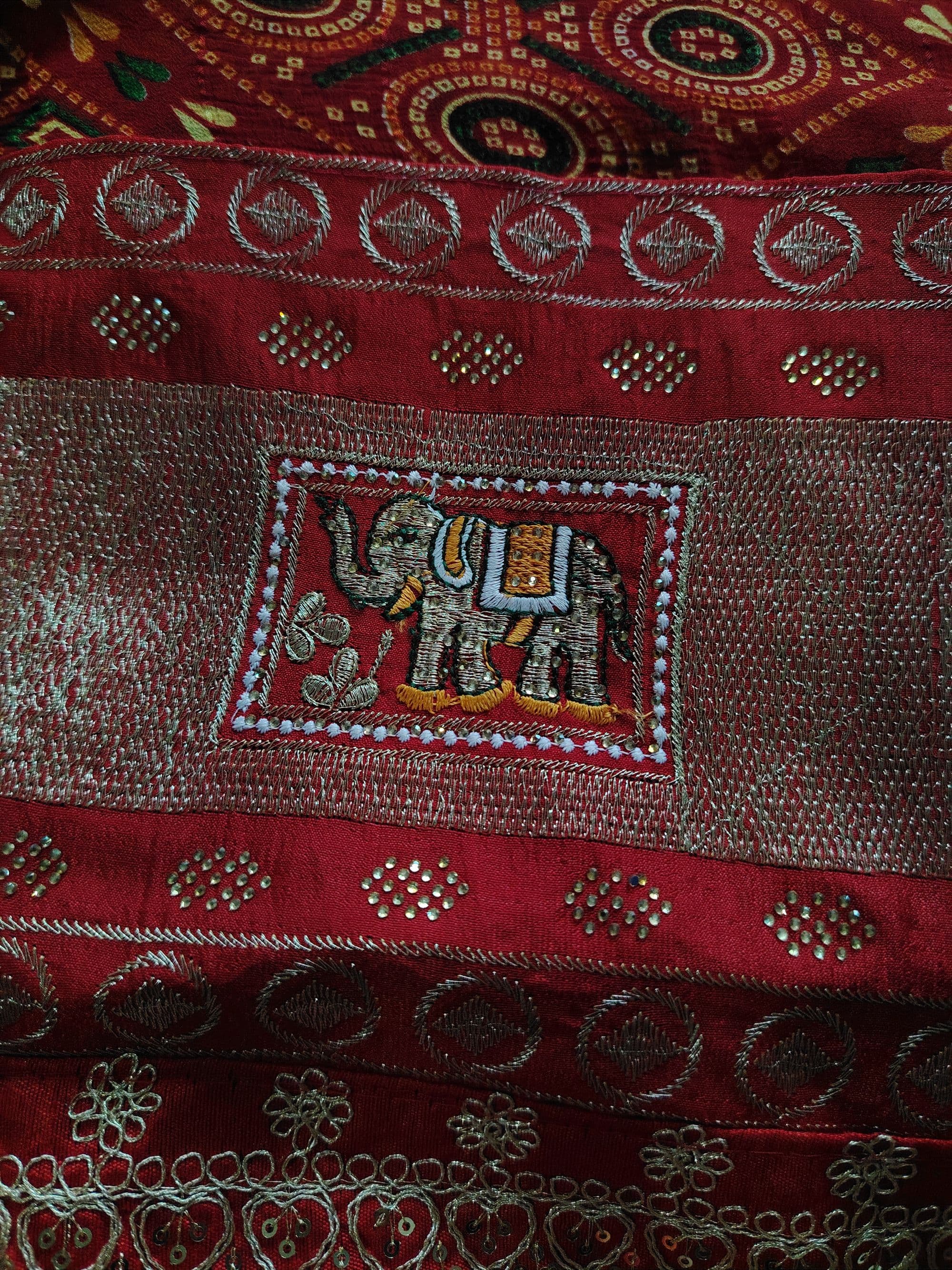
The most significant trend in Indian luxury fashion in 2026 is not a silhouette or a colour — it is a fundamental rethinking of how heritage textiles function in contemporary wardrobes. Designers across the spectrum, from established couture houses to emerging independent labels, are taking traditional Indian textiles — Banarasi brocade, Kanjeevaram silk, Chanderi cotton-silk, Maheshwari weaves, Patola double-ikats — and applying them to garments designed for modern life.
This is not the 'heritage revival' approach of previous decades, where traditional textiles were presented as precious artefacts to be preserved and worn on special occasions. The 2026 approach is bolder and more practical: heritage textiles appearing on structured blazers, contemporary shirt-dresses, relaxed separates, and even accessories. The message is clear — these extraordinary textiles belong in daily life, not just in glass cases and wedding trousseaus.
Rahul Mishra's recent collections have featured Chanderi and Maheshwari textiles in Western-silhouette pieces that have been picked up by international retailers. Raw Mango, under Sanjay Garg's creative direction, continues to demonstrate that handloom textiles can be both deeply traditional and strikingly modern. Smaller labels like Eka and Bodice are integrating heritage weaves into minimalist, architectural garments that appeal to a global audience.
The commercial significance of this trend extends beyond fashion. By creating contemporary demand for heritage textiles, designers are supporting the artisan communities that produce them — providing economic sustainability for craft traditions that might otherwise face decline.
“These extraordinary textiles belong in daily life, not just in glass cases and wedding trousseaus.”
2. Architectural Silhouettes and Structured Volume
The fluid, draped aesthetic that dominated Indian fashion for much of the past decade is giving way to something more structured, more architectural, more deliberate. The 2026 collections shown at Lakme Fashion Week, India Couture Week, and individual designer presentations reveal a clear move toward constructed garments: sculptural shoulders, architectural draping that holds its shape, structured jackets, and garments that interact with the body in deliberate, designed ways rather than simply flowing around it.
This trend has several sources. One is the growing confidence of Indian designers to work with international-level construction techniques alongside traditional crafts. Another is the influence of the women purchasing these garments — increasingly, they are professionals who want clothing with presence, structure, and authority, not just prettiness. A third is the broader global fashion movement toward tailored, constructed pieces as a counterpoint to years of casualisation.
Designers like Anamika Khanna and Gaurav Gupta have been particularly influential in developing this vocabulary, creating garments that reference Indian traditional forms — the sari drape, the sherwani, the angarkha — but in constructed, contemporary expressions that hold their own on any international runway.
3. The Quiet Revolution in Indian Luxury Menswear
Indian menswear has historically been the less celebrated sibling of women's fashion — competent, traditional, and largely unchanging. That is no longer the case. The menswear collections shown in 2026 reveal a sector in creative ferment, with designers pushing against the boundaries of what Indian men are 'supposed' to wear and finding an increasingly receptive audience.
The bandhgala — the high-collared jacket that has been the default Indian formal menswear piece for decades — is being reimagined in surprising ways. Designers are experimenting with proportion, fabric, embellishment, and styling, transforming it from a predictable wedding-season staple into a genuinely exciting garment. Raghavendra Rathore, who has built his brand around the bandhgala, continues to lead this evolution, but younger designers are also contributing fresh interpretations.
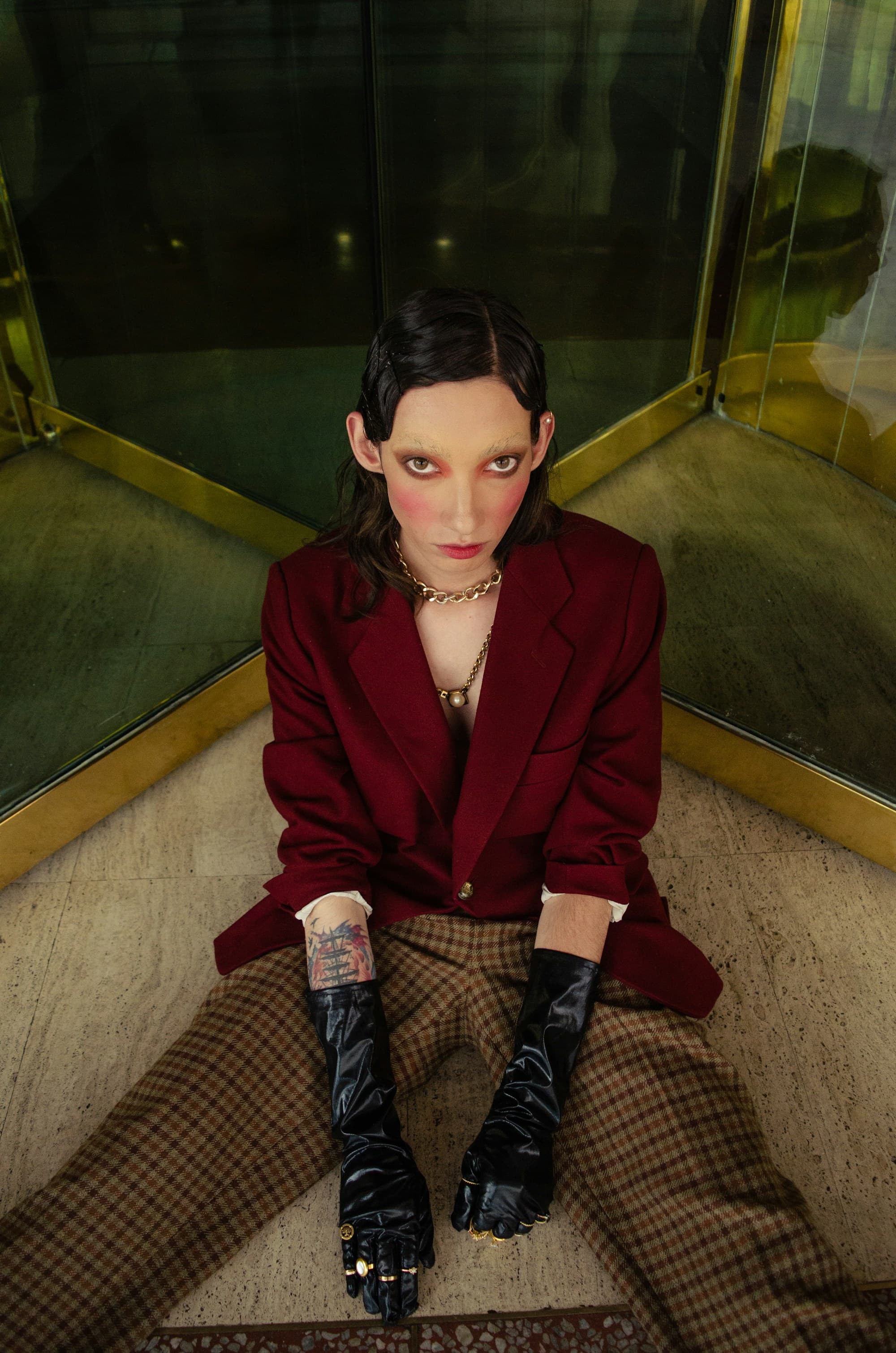
Beyond the bandhgala, Indian menswear is seeing experimentation with draped elements, softer silhouettes, richer colours, and more elaborate surface work than has traditionally been considered acceptable. The influence of international menswear trends — the move toward gender-fluid dressing, the elevation of craft in menswear, the breaking down of formal/casual distinctions — is combining with Indian textile and tailoring traditions to create something genuinely new.
“The modern Indian luxury consumer wants pieces that can be restyled, repurposed, and integrated into a living wardrobe.”
4. Conscious Luxury: Craft Provenance as Premium Value
The luxury consumer of 2026 wants to know where their clothing came from, who made it, and under what conditions. This trend, which has been building globally for several years, has particular resonance in the Indian luxury context, where the connection between garment and maker is often direct and traceable in ways that mass-produced international luxury cannot match.
Indian luxury brands are increasingly emphasising craft provenance as a key component of their value proposition. They name the weaving communities, the embroidery traditions, the regional techniques, and in some cases the individual artisans involved in creating specific pieces. This transparency is not merely ethical positioning — it adds genuine value for consumers who see the human story behind a garment as part of what makes it worth its price.
This trend benefits Indian luxury fashion in the global marketplace, where concerns about sustainability, ethical production, and craft preservation are increasingly shaping purchasing decisions among high-net-worth consumers. Indian couture, with its inherently labour-intensive, artisan-driven production model, is well-positioned to appeal to consumers seeking luxury with genuine human value embedded in every piece.
5. The Reinvention of Indian Occasion Wear
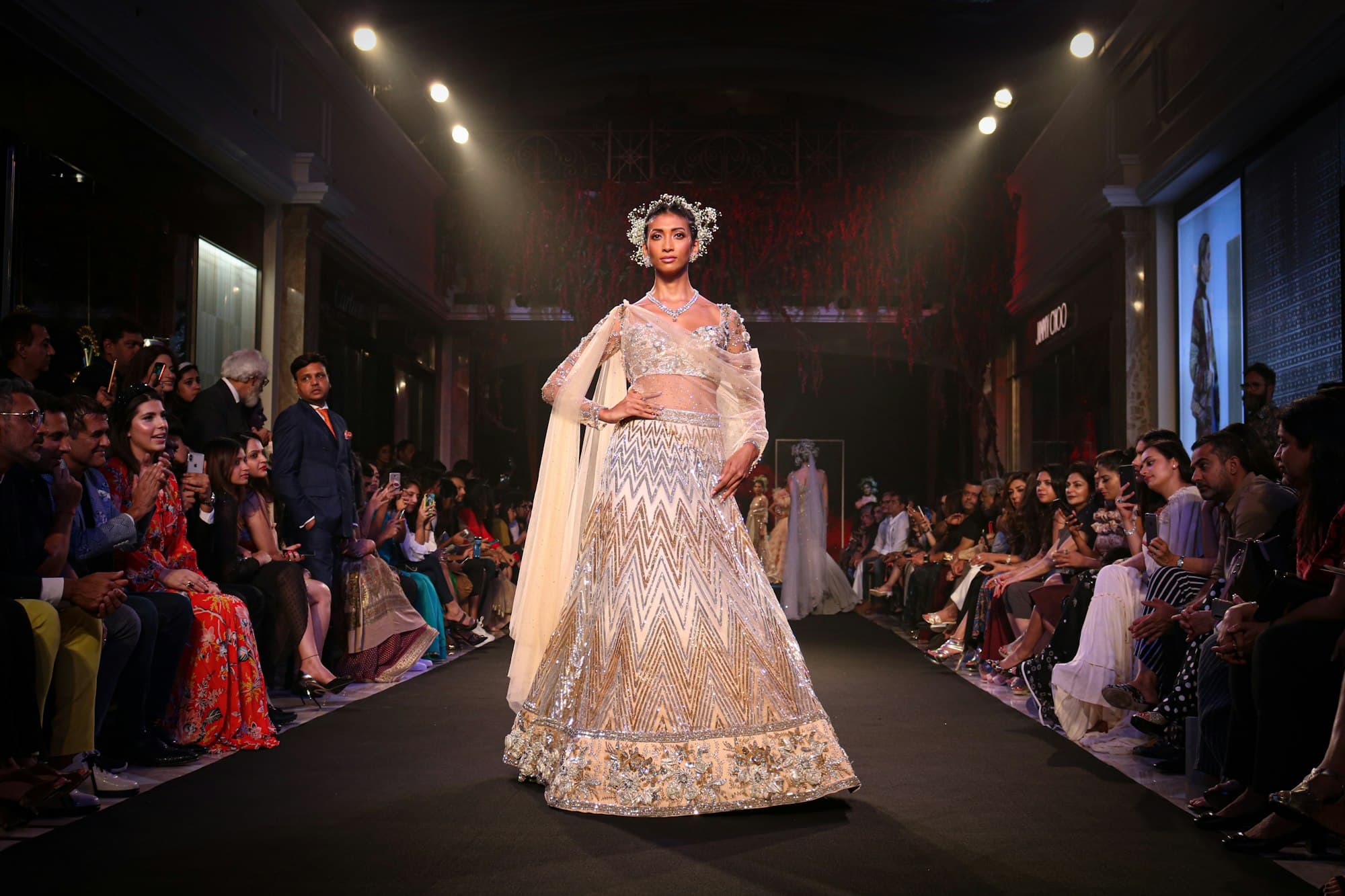
Indian occasion wear — the elaborate, embellished garments worn for weddings, festivals, and celebrations — has historically followed relatively conservative codes. The 2026 trend is toward a significant loosening of those codes, driven by younger consumers who want clothing that honours tradition without being confined by it.
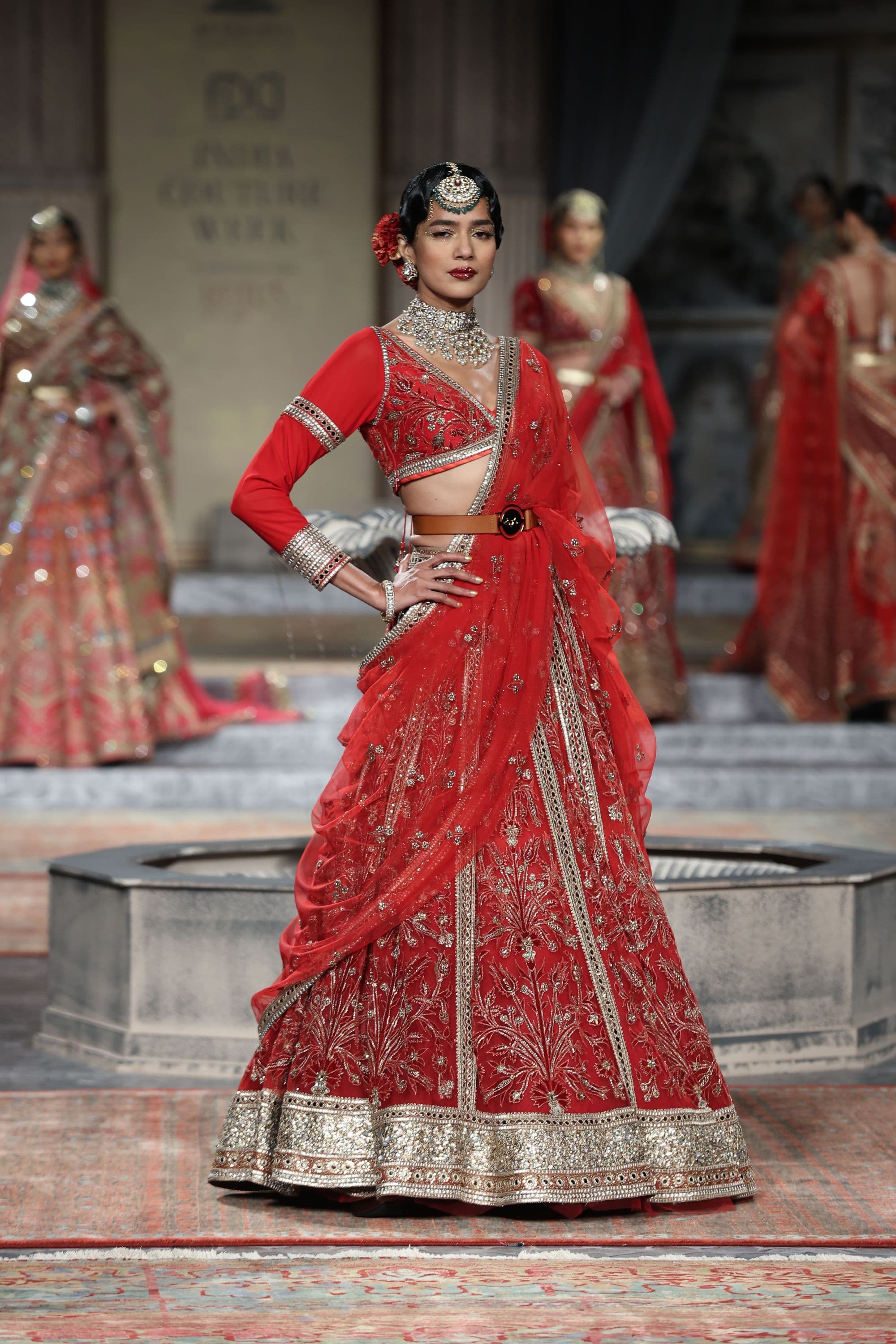
The pre-stitched sari, once considered too practical to be fashionable, has been elevated by designers who have turned it into a legitimate luxury garment. The lehenga is being reimagined with unconventional proportions, unexpected fabrics, and styling that pairs traditional pieces with contemporary elements. The sharara and gharara — traditional wide-legged trouser forms — are appearing in streamlined, modern iterations that work for both formal occasions and elevated everyday dressing.
What unifies these developments is the consumer's desire for versatility. The modern Indian luxury consumer does not want a garment that can only be worn once for a specific function. They want pieces that can be restyled, repurposed, and integrated into a living wardrobe — even when those pieces are elaborately embellished and clearly designed for special occasions.
6–10: The Trends Completing the 2026 Picture
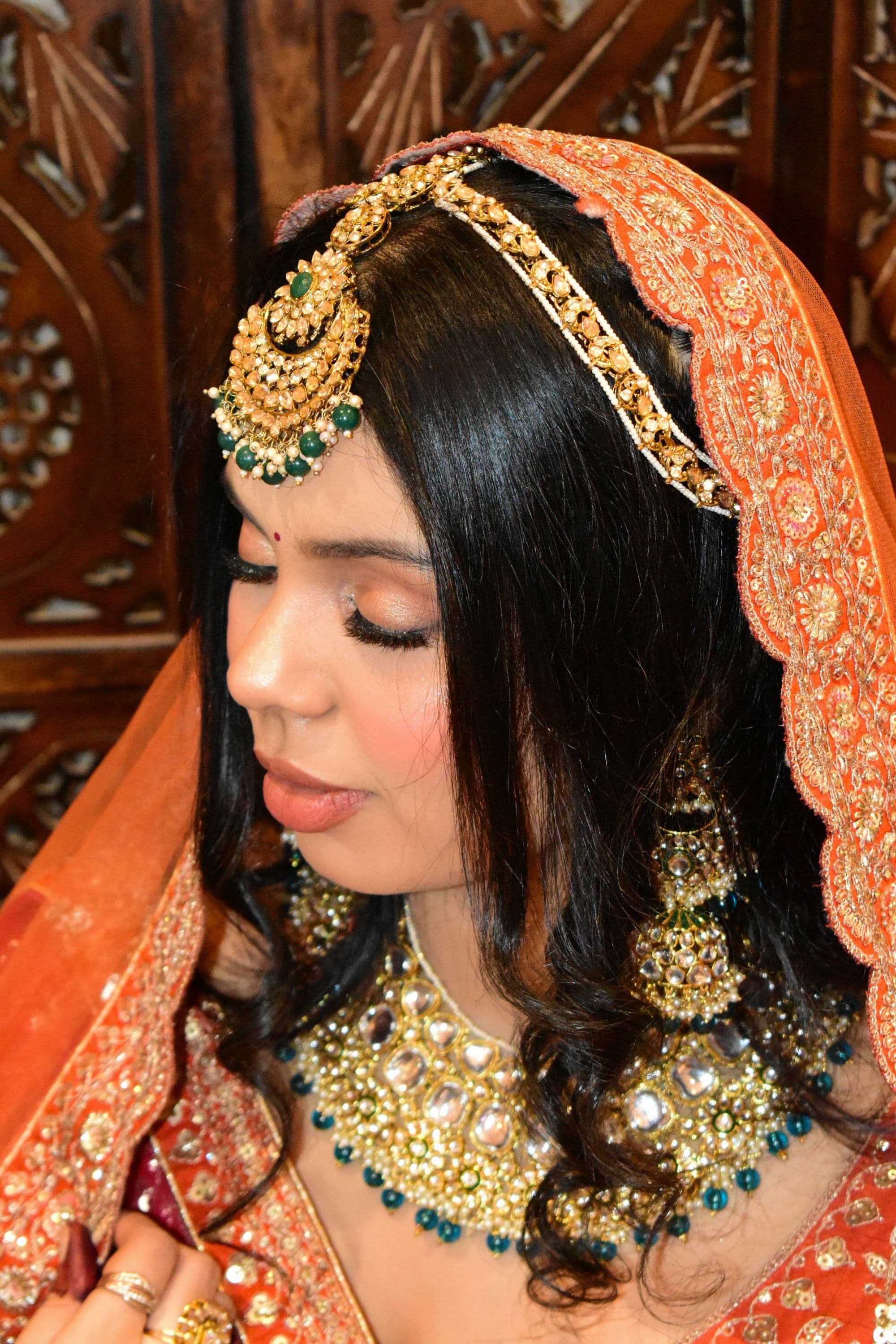
6. The Return of Real Jewellery in Fashion Imagery: After years of minimalist, barely-there jewellery in fashion editorials, 2026 has seen a decisive return to significant, statement jewellery — kundan sets, polki necklaces, contemporary interpretations of traditional forms — worn with confidence. This trend benefits both Indian jewellery houses and fashion brands that incorporate jewellery into their overall aesthetic proposition.
7. Cross-Regional Craft Exchange: Designers are increasingly drawing from craft traditions beyond their own regional backgrounds — a Bengali designer working with Gujarati bandhani, a Delhi-based label commissioning Tamil Nadu weavers — creating a pan-Indian craft vocabulary that enriches the entire fashion ecosystem. This cross-pollination is producing some of the most exciting work in contemporary Indian fashion.
8. The International Stylist's India Discovery: International celebrity stylists — the people who dress Hollywood actors, musicians, and public figures for red-carpet appearances — have discovered Indian designers in a significant way. This visibility, amplified through social media and international fashion coverage, is introducing Indian couture to a global audience that may never have encountered it otherwise.
9. Digital-First Fashion Presentations: While physical runway shows remain important, Indian designers are increasingly investing in digital presentations — short films, look books shot in heritage locations, behind-the-scenes craft documentaries — that reach audiences far beyond the physical attendees of a fashion week show. This digital strategy is particularly effective at communicating craft narratives that are central to the value proposition of Indian luxury.
10. The Rise of the Indian Fashion Consumer as Critic: Indian fashion consumers are increasingly vocal, informed, and demanding. They discuss collections on social media, write reviews, compare designers, and hold brands accountable for quality, authenticity, and cultural sensitivity. This is a sign of a maturing fashion ecosystem, where consumers are active participants rather than passive recipients.
THE ROYAL GALLERYS is the international magazine for heritage, culture and luxury — documenting the people, places, and ideas shaping the worlds of fashion, jewellery, design, and contemporary style. Our editorial authority rests on deep engagement with India's cultural ecosystem and a commitment to telling the stories that matter.
For editorial inquiries, story proposals, and partnership discussions, contact our editors at hey.theroyalgallerys@gmail.com.
The Royal Gallerys Editorial
Fashion Trends Correspondent. THE ROYAL GALLERYS is the international magazine for heritage, culture and luxury — editorial authority on the people, places and ideas shaping our world.
Part of Style
This article is part of THE ROYAL GALLERYS Style section — our international luxury fashion editorial destination.
Explore All Style Stories →