Digital Luxury: How Technology Is Reshaping Indian Fashion Consumption
The digital transformation of Indian luxury fashion is accelerating, with profound implications for how brands are discovered, how garments are purchased, and how consumer relationships are built and maintained. India's digital infrastructure — widespread smartphone adoption, affordable data, and a population comfortable with digital transactions — creates conditions for digital luxury innovation that may exceed what is possible in Western markets with their legacy retail infrastructures.
Digital discovery is already the dominant mode of brand encounter for Indian luxury consumers under forty. Instagram remains the primary platform, but it is being supplemented by video content on YouTube, editorial platforms with strong digital presences, and increasingly, AI-driven content recommendations that surface luxury fashion content to interested consumers. Brands that invest in sophisticated digital content — not just product imagery but editorial storytelling, craft documentaries, designer interviews, behind-the-scenes content — are building relationships with consumers who may never enter a physical store.
The question of digital purchasing of luxury fashion — as opposed to digital discovery — is evolving. While Indian luxury consumers still value the physical retail experience for significant purchases, the threshold for what they are willing to purchase online is rising. Digital platforms that can provide the trust, service, and experience that luxury consumers expect — detailed product information, excellent imagery, personal service, easy returns — are capturing an increasing share of luxury fashion transactions.
Artificial intelligence will play an increasingly significant role in Indian luxury fashion — in design (AI-assisted pattern development and textile design), in personalisation (AI-curated recommendations based on individual consumer preferences), in content creation (AI-generated editorial content and product descriptions), and in customer service (AI-powered personal shopping assistants). The brands that integrate AI thoughtfully — as enhancement of human creativity and service rather than replacement — will have significant advantages.
“The future of Indian luxury fashion will be determined not primarily by technology or commerce — but by culture.”
Gen Z and the Reinvention of Indian Luxury
India's Gen Z population — those born between the late 1990s and early 2010s — represents the largest generational cohort in the country's history. As this generation enters its peak consumption years, it will reshape Indian luxury fashion in ways that the industry is only beginning to understand.
Gen Z luxury consumers in India differ from their millennial predecessors in several important respects. They are even more digitally native — many have never known a world without smartphones and social media. They are more globally connected — they follow international fashion, consume global content, and compare Indian fashion offerings against international benchmarks. They are more values-driven — they care about sustainability, ethics, inclusivity, and cultural authenticity, and they are willing to hold brands accountable when they perceive gaps between stated values and actual practices. And they are more experimental in their personal style — less bound by traditional dress codes, more willing to mix Indian and international elements, more interested in fashion as personal expression rather than social conformity.
For luxury fashion brands, this generation presents both challenges and opportunities. The challenge is that Gen Z consumers are less automatically respectful of established brand authority, less responsive to traditional luxury marketing, and quicker to identify and call out inauthenticity. The opportunity is that they are passionate about fashion, willing to invest in pieces they consider meaningful, and eager to engage with brands that demonstrate genuine understanding of their values and their world.
The Global Expansion of Indian Fashion Houses
One of the most significant developments in the future of Indian luxury fashion is the accelerating global ambition of Indian design houses. Where previous generations of Indian designers were primarily focused on the domestic market, a new generation — and several established houses with new international strategies — are actively pursuing global expansion.
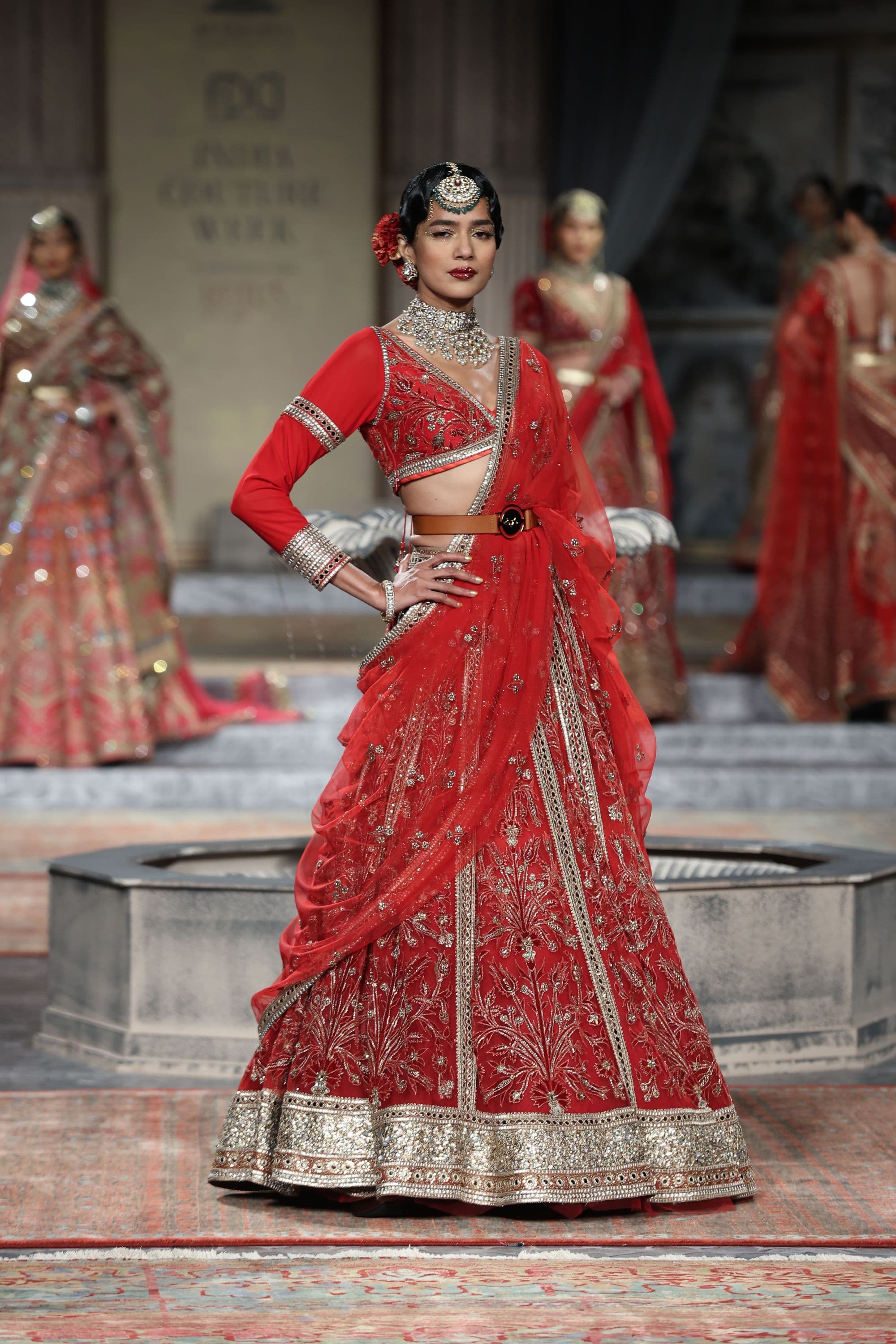
Rahul Mishra's presence at Paris Haute Couture Week has demonstrated that Indian design can command attention and respect at the highest level of the global fashion system. Sabyasachi's international retail presence — and the global following the brand has built through digital media and editorial coverage — shows that Indian luxury brands can attract international consumers, not just the Indian diaspora. Other designers are following these paths, building international distribution, showing at international fashion weeks, and cultivating global audiences through digital platforms.
The global expansion of Indian fashion houses is significant not only for the designers themselves but for the broader perception of Indian fashion in the global luxury ecosystem. Each Indian designer who succeeds internationally — who is covered by international fashion media, who dresses international celebrities, who sells in international luxury retailers — adds to the credibility and visibility of Indian fashion as a category. This rising tide has the potential to benefit the entire Indian fashion industry.
“Each Indian designer who succeeds internationally adds to the credibility and visibility of Indian fashion as a category.”
Experiential Retail and the Future of Luxury Stores
The physical luxury retail experience in India is being reimagined. The traditional model — a store in a five-star hotel or luxury mall, with standard luxury retail design and service — is giving way to more ambitious, more experiential, more culturally resonant retail concepts.
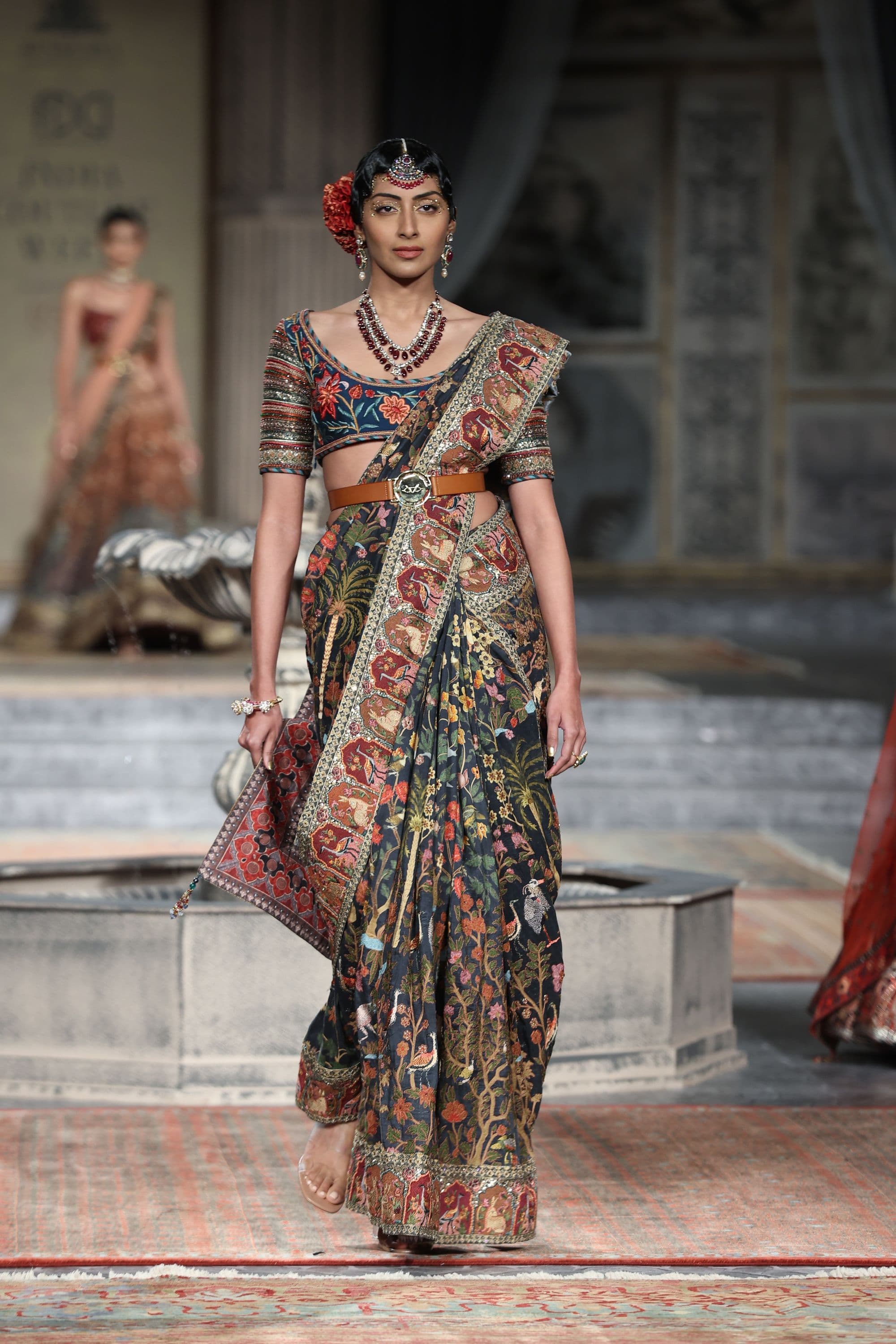
The Sabyasachi flagship stores — with their immersive environments that reference heritage architecture, their curated collections that go beyond clothing to include jewellery, accessories, and home, their sense of being not stores but worlds — represent one direction. Other designers are exploring different models: smaller, more intimate spaces that function as salons rather than stores; pop-up concepts that create urgency and exclusivity; hybrid spaces that combine retail with cultural programming, exhibitions, and events.
What these experiments share is an understanding that the physical luxury retail space must offer something that digital cannot — not just product availability but experience, atmosphere, cultural immersion, and human connection. The luxury store of the future is less a point of sale and more a physical manifestation of the brand's world — a place where consumers can enter the brand's aesthetic and cultural universe.
The Royal Gallerys View: The Future Is Cultural
THE ROYAL GALLERYS occupies a distinctive position from which to observe and interpret the future of Indian luxury fashion. As a publication that sits at the intersection of heritage, culture, and contemporary luxury, we see the forces shaping the industry — the global ambitions, the digital transformations, the generational shifts, the creative ferment — and we understand that the common thread connecting them all is cultural.
The future of Indian luxury fashion will be determined not primarily by technology or commerce — though both are important — but by culture. By the stories that are told. By the creative visions that are developed and shared. By the cultural institutions — publications, platforms, events, educational programmes — that support and nurture the fashion ecosystem. By the relationships between fashion and the broader cultural context in which it operates: heritage, art, design, craft, architecture, food, travel, and the lived experience of Indian luxury.
The Indian luxury fashion industry has an extraordinary opportunity. It possesses world-class creative talent, unmatched craft resources, a large and growing domestic market, and increasing international visibility and respect. Realising that opportunity — building an Indian luxury fashion industry that is globally competitive, culturally confident, and commercially sustainable — requires investment not only in individual brands but in the cultural infrastructure that supports the entire ecosystem.
This is the work that THE ROYAL GALLERYS is committed to: documenting, interpreting, and contributing to the cultural conversation around Indian luxury fashion. We believe that the future of Indian fashion is extraordinarily bright — and that the most interesting chapters are still being written.
THE ROYAL GALLERYS is the international magazine for heritage, culture and luxury — documenting the people, places, and ideas shaping the worlds of fashion, jewellery, design, and contemporary style. Our editorial authority rests on deep engagement with India's cultural ecosystem and a commitment to telling the stories that matter.
For editorial inquiries, story proposals, and partnership discussions, contact our editors at hey.theroyalgallerys@gmail.com.
The Royal Gallerys Editorial
Fashion Futures Correspondent. THE ROYAL GALLERYS is the international magazine for heritage, culture and luxury — editorial authority on the people, places and ideas shaping our world.
Part of Style
This article is part of THE ROYAL GALLERYS Style section — our international luxury fashion editorial destination.
Explore All Style Stories →