Beyond the Spectacle: The Sacred Contract
In an era when celebrity weddings have turned sacred rites into three-day content-production events for social media algorithms, the authentic Indian royal wedding remains anchored in something infinitely older and more profound: a sacred metaphysical covenant between two lineages, watched over by ancestral deities (*Kuldevtas*), astrological planetary alignments, and community custodians.
In the historic princely states of Rajasthan, Central India, and the Deccan, a wedding was never merely the private union of two individuals. It was a civic, political, and spiritual realignment of territories, craft guilds, and religious institutions. Preparations do not begin with mood boards and florist contracts; they begin with the consultation of ancestral astrological charts to identify an auspicious *muhurat* — an exact window of time, often spanning mere minutes, during which planetary geometries are aligned to ensure harmony, fertility, and long life.
“A royal wedding was never merely a private celebration; it was the ultimate economic patron of the subcontinent's hereditary craft guilds.”
The Living Guilds: Artisanal Mastery of the Trousseau
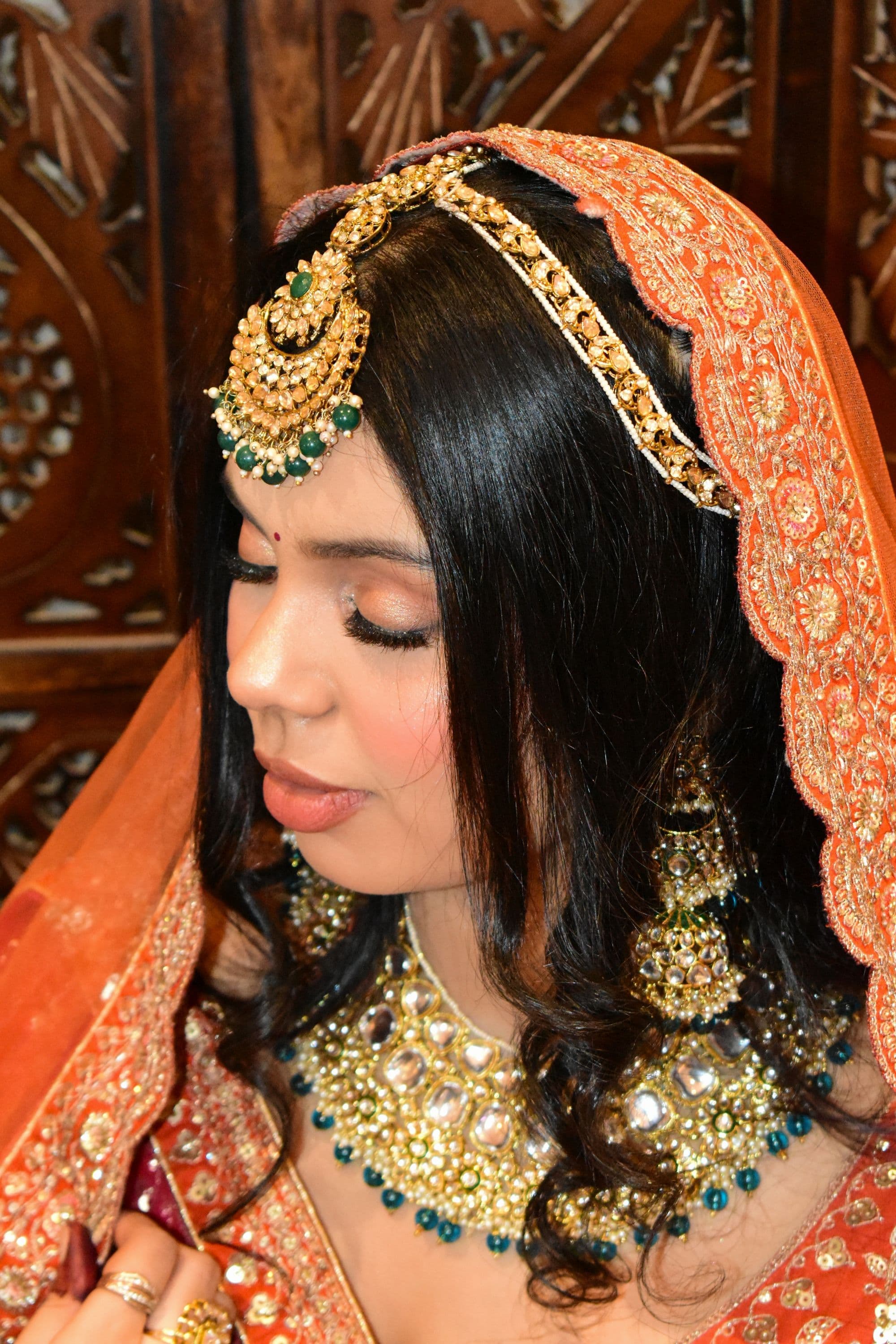
Long before European luxury houses invented the concept of couture, the royal wedding was the ultimate economic patron of the subcontinent's artisanal guilds. A royal bridal trousseau was not purchased off a rack in Paris or Milan; it was commissioned months or years in advance from hereditary master weavers, dyers, and embroiderers.
In Jaipur, master craftsmen spent hundreds of hours hand-beating pure silver and gold leaf into delicate *gota patti* motifs onto gossamer silks dyed with natural pomegranate skin and madder root. In Varanasi, multi-generational master weavers operated handlooms to create *shikargah* brocades depicting hunting scenes and paradise gardens in real gold wire (*zari*). In Hyderabad, Nizami brides wore traditional *Khada Dupatta* fashioned from six meters of hand-embroidered tissue, bordered with seed pearls and antique zardozi lace.
This patronage system supported entire villages of artisans. Even today, authentic royal weddings deliberately eschew factory-made luxury goods in favor of commissioning local generational craftsmen, ensuring that ancient embroidery techniques remain economically viable in a fast-fashion world.
Rituals of Lineage: From Tilak to Kanyadaan
What distinguishes an authentic royal ceremony from a commercialized facsimile is the strict adherence to ritual protocol. In Rajput traditions, the pre-wedding *Tilak* ceremony involves the bride's male family elders traveling to the groom's palace to present ceremonial swords, ancestral turbans, and sacred betel leaves — symbolic affirmations of trust, honor, and martial fellowship.
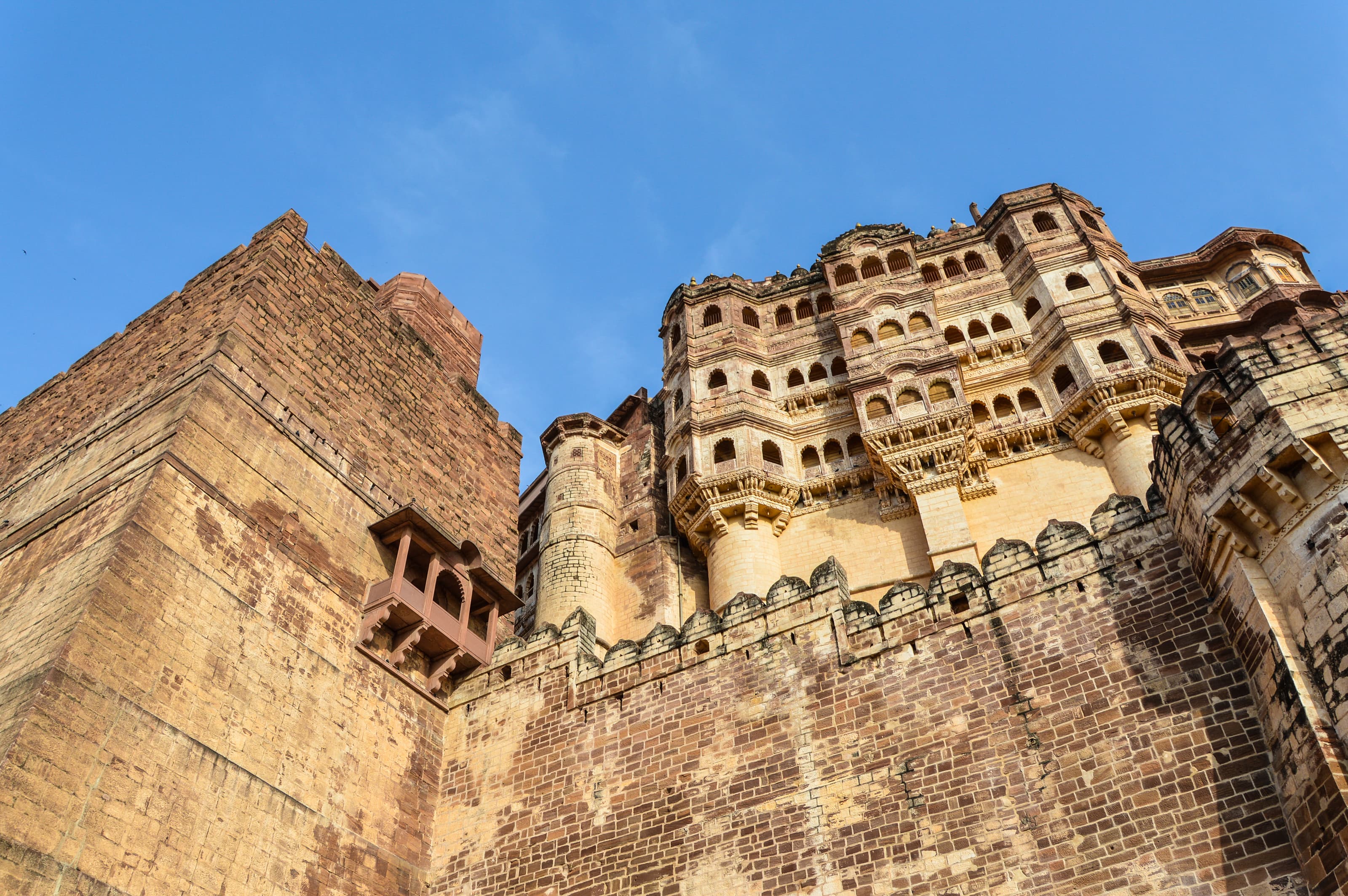
On the wedding day, the groom's arrival (*baraat*) is not a chaotic dance party, but a dignified military-style procession accompanied by the resonant, ancient drones of the *shehnai* and kettle-drums (*nagara*). At the palace gates, the groom must perform the *Toran* ceremony — striking an ornate wooden carving above the gateway with his sword, symbolically breaching the fortress before being welcomed into the inner sanctum.
Yet beneath the martial symbolism lies profound humility. During the *Saat Phere* (seven sacred circumambulations around the sacred fire), both families strip away ostentation. The bride and groom sit bare-headed before the fire, repeating ancient Vedic mantras that invoke rain, truth, righteousness, and the moral duty to serve the community before the self.
“Striking the Toran gate with a ceremonial sword before stepping into the sacred courtyard: every gesture carries a thousand years of Rajput code.”
The Durbar of Feasting: Community and Charity
A royal wedding was historically incomplete without feeding the entire citizenry. In the days preceding modern hospitality packages, royal families hosted public durbars where thousands of townspeople, farmers, and artisans were served royal feasts on freshly woven leaf platters (*pattals*).
This civic tradition continues today. While exclusive receptions are held for visiting dignitaries, heads of state, and international aristocrats in private palace courtyards, royal families simultaneously organize massive community banquets and distribute grains, clothing, and educational endowments to regional charitable trusts. It is this reciprocal bond with the people that gives the royal wedding its enduring moral authority.
The Royal Gallerys Perspective
To view the Indian royal wedding solely as an exhibition of wealth is to misunderstand its cultural soul. It is a living theatre of civilization — a grand, symphonic convergence of Vedic philosophy, courtly diplomacy, high artisanal craft, and familial continuity.
In a world where modern ceremonies often feel fleeting and performative, the authentic royal wedding reminds us of the power of timeless rituals: anchoring human love not in the ephemeral trends of the present, but in the enduring dignity of the centuries.
THE ROYAL GALLERYS is the international magazine for heritage, culture and luxury — documenting the people, places and ideas shaping the worlds of royalty, jewellery, design, travel and contemporary life. Our editorial authority rests on deep engagement with India's cultural ecosystem and a commitment to telling the stories that matter.
For editorial inquiries, story proposals, and partnership discussions, contact our editors at hey.theroyalgallerys@gmail.com.
Ananya Sen Gupta
Cultural Anthropologist & Contributing Writer. THE ROYAL GALLERYS is the international magazine for heritage, culture and luxury — editorial authority on the people, places and ideas shaping our world.
Part of Society
This article is part of THE ROYAL GALLERYS Society section — our international editorial destination for society, heritage and luxury.
Explore All Society Stories →