Fifteen Centuries of Unbroken Lineage
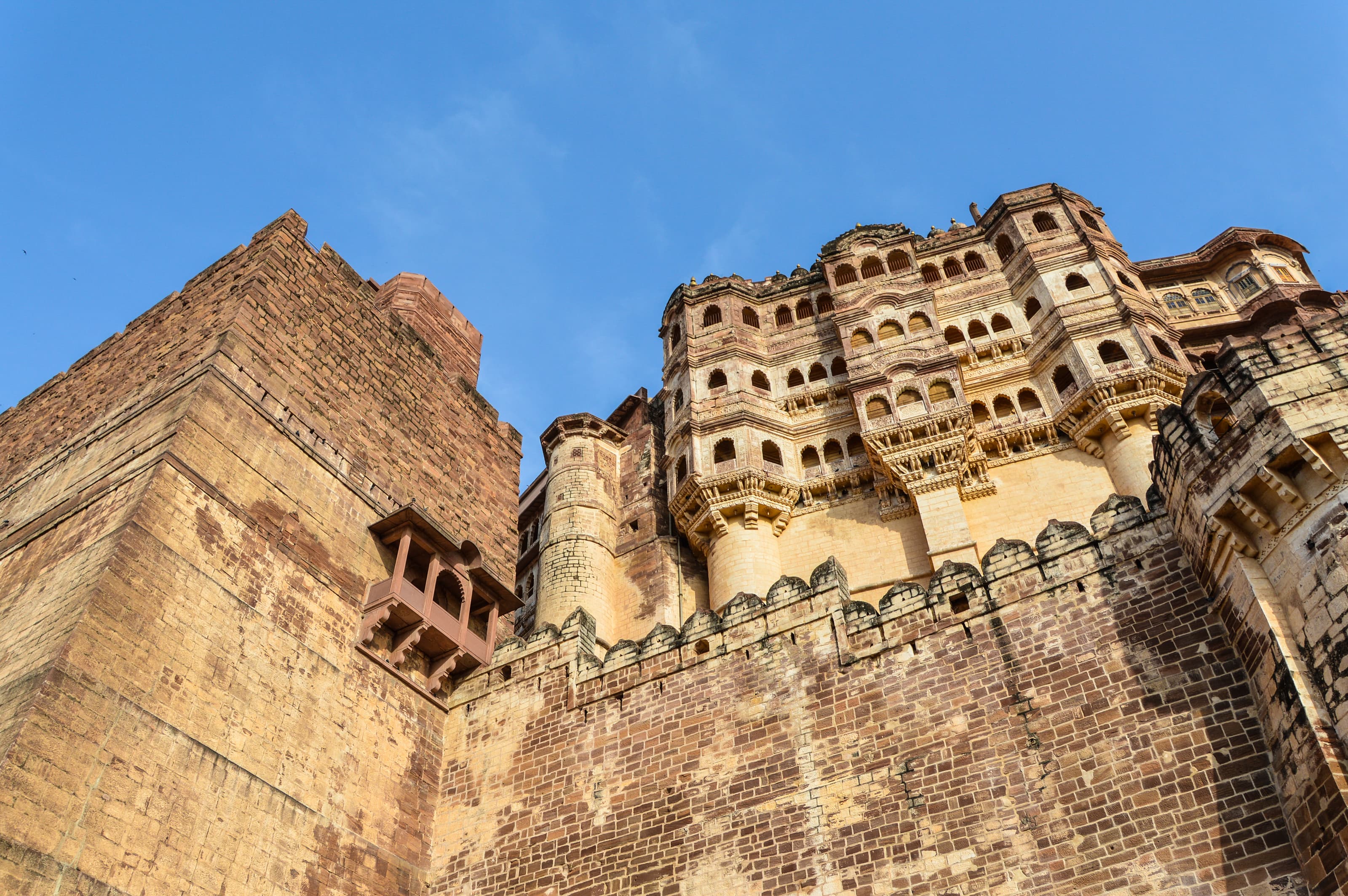
In the history of global monarchies, continuity is the rarest commodity. Dynasties rise, conquer, fragment, and fall into the dust of archives. Yet in the Aravali hills of southern Rajasthan, the House of Mewar stands as an anomaly of world history: an unbroken royal lineage extending across more than 1,500 years and seventy-six documented generations.
Founded in 530 CE and consolidated in the 8th century by Bappa Rawal, Mewar never claimed absolute autocracy. Instead, by sacred foundational pact, the true sovereign of Mewar is Lord Shree Eklingnathji (an incarnation of Shiva), while the reigning Maharana rules strictly as *Diwan* — the prime minister and humble human custodian of the realm. This theological concept of custodianship, known locally as *Aapji*, protected Mewar through catastrophic invasions, prolonged desert sieges, and the eventual political integration of India in 1947.
When India abolished the privy purses and official royal titles in 1971 through the 26th Constitutional Amendment, many aristocratic families across the subcontinent retreated into bitter litigation or allowed their ancestral estates to crumble. Mewar chose an entirely different path: formalising custodianship into a modern institutional trust.
“The true sovereign of Mewar has always been Lord Eklingnathji; the Maharana rules only as Diwan — the prime minister and humble human custodian of the land.”
The Architecture of Custodianship: MMCF
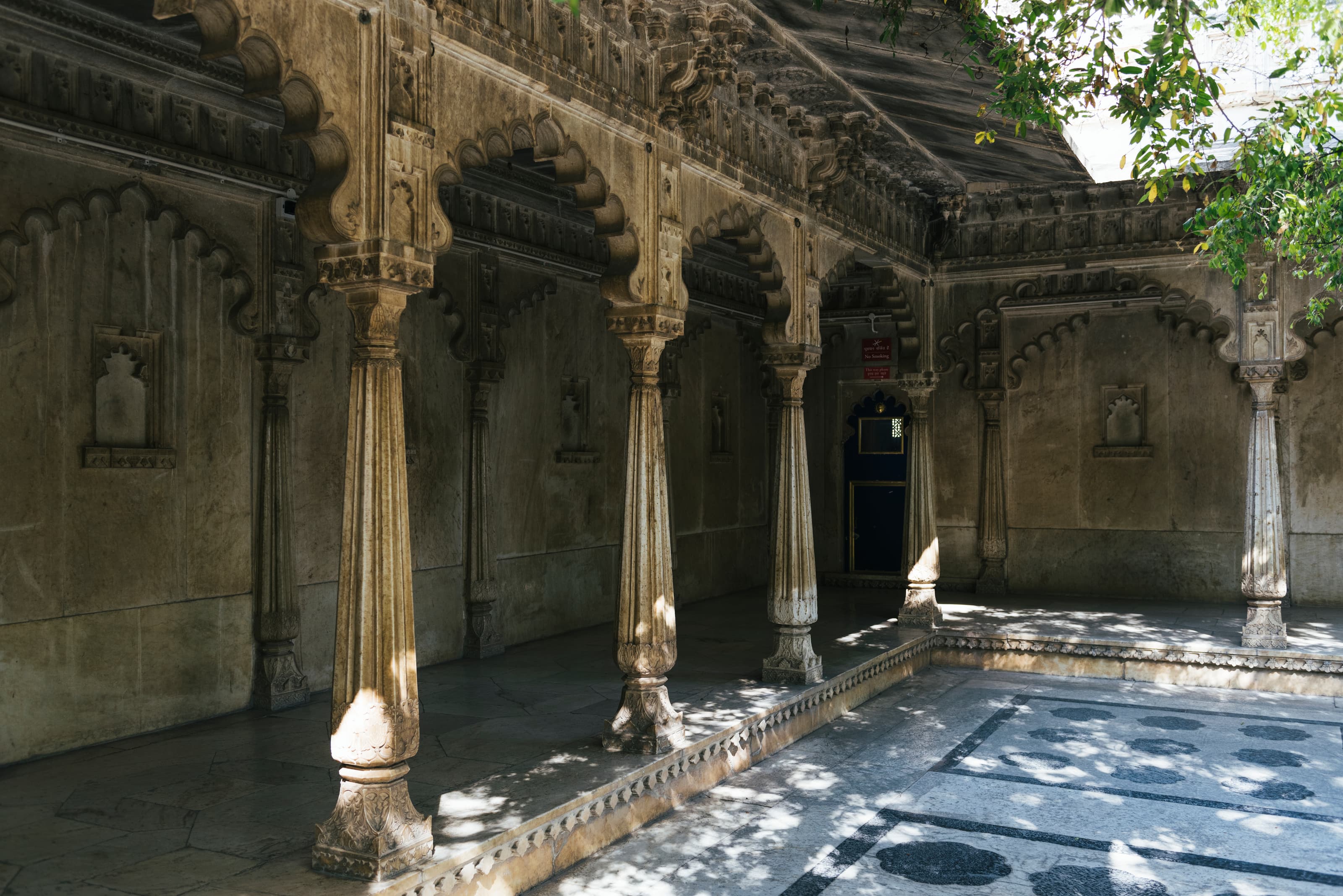
Under the leadership of the late Maharana Mahendra Singh and Maharana Arvind Singh Mewar, the family established the Maharana of Mewar Charitable Foundation (MMCF). Today, MMCF manages the vast City Palace complex in Udaipur — not as a sterile, roped-off monument, but as a living museum, scholarly research institute, and center of employment for thousands of local artisans, conservators, and educators.
The City Palace Museum receives over a million visitors annually, yet its revenue is directly recycled into civic philanthropy: funding girls' schools, running free mobile health clinics across remote tribal villages in the Aravali belt, preserving ancient Rajasthani stepwells (*baoris*), and providing annual national awards honoring courage, environmental stewardship, and classical arts.
Crucially, the preservation philosophy adopted by Mewar avoids the sterile Western 'restoration' approach that strips historical buildings of their living soul. Every morning, priests still perform centuries-old rituals at the Surya Mandir inside the palace; temple musicians play morning ragas; and palace retainers whose ancestors fought alongside Maharana Pratap continue to maintain the marble courtyards with hereditary devotion.
Environmental Stewardship: Guarding the Desert Waters
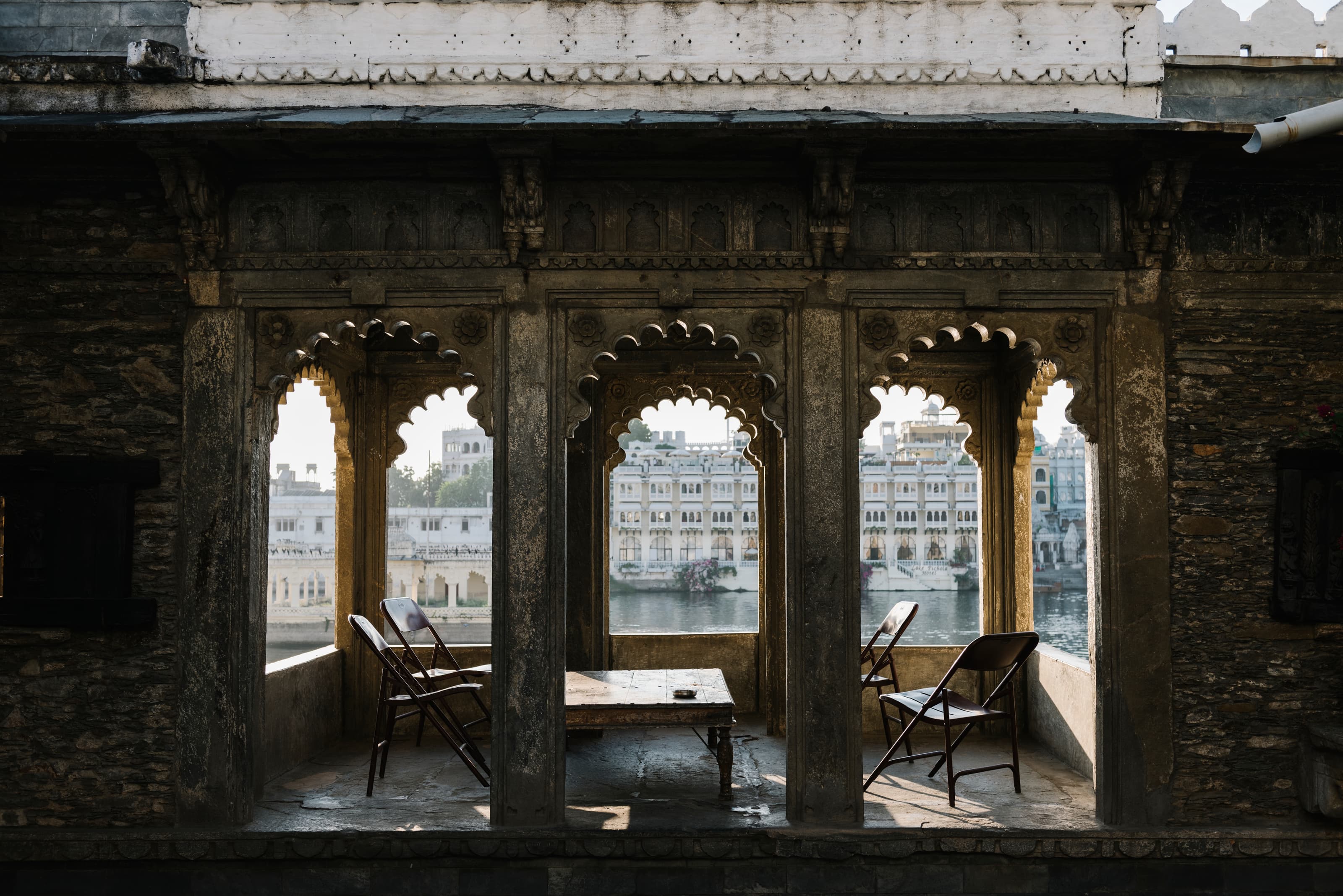
In arid Rajasthan, water is not an amenity; it is existence itself. The legendary lakes of Udaipur — Pichola, Fateh Sagar, and Badi — were not natural accidents. They were visionary hydro-engineering marvels commissioned by medieval Maharanas between the 14th and 17th centuries to capture monsoon runoff from the surrounding hills.
In the modern era, as rapid urbanization and tourism place immense pressure on these sensitive hydrological ecosystems, the House of Mewar has taken an uncompromising stance on ecological protection. MMCF works alongside international limnologists and urban planners to monitor water tables, regulate lakefront construction, and restore the indigenous catchment canals (*ayads*) that feed the lakes.
This environmental vigilance demonstrates that royal responsibility in the 21st century extends far beyond hosting polo matches and ribbon-cuttings. It is an active commitment to defending the foundational natural resources that make human civilization in Rajasthan possible.
“Modernity is not about erasing where you come from. It is about having roots so deep that no modern storm can uproot you.”
The Modern Custodians: Lineage Meets Global Vision
Today, the younger generation of the Mewar family — educated at premier global institutions in hospitality, international law, and cultural management — is steering the dynasty into the digital age. They are digitising thousands of fragile Sanskrit, Mewari, and Persian manuscripts stored in the palace archives, creating open-access digital repositories for international scholars, and collaborating with global institutions like the Getty Foundation and the British Library on textile conservation.
Yet despite their cosmopolitan outlook, their day-to-day existence remains anchored in ancestral protocol. During annual festivals like Mewar Festival, Gangaur, and Ashwa Pujan (the worship of the royal Marwari horses), family members observe sacred rites with the exact same gravity their forebears maintained centuries ago.
As one senior palace elder notes, 'Modernity is not about erasing where you come from. It is about having roots so deep that no modern storm can uproot you.'
The Royal Gallerys Perspective
In a globalized world suffering from historical amnesia and rapid cultural homogenization, the House of Mewar stands as an inspiring monument to what true aristocracy means. Strip away the titles, the palaces, and the pageantry, and what remains is an unyielding sense of duty to people, land, and culture.
By transforming feudal privilege into enlightened democratic stewardship, Mewar has proven that an ancient dynasty does not need sovereign power to retain sovereign respect.
THE ROYAL GALLERYS is the international magazine for heritage, culture and luxury — documenting the people, places and ideas shaping the worlds of royalty, jewellery, design, travel and contemporary life. Our editorial authority rests on deep engagement with India's cultural ecosystem and a commitment to telling the stories that matter.
For editorial inquiries, story proposals, and partnership discussions, contact our editors at hey.theroyalgallerys@gmail.com.
Krishanpriya Rajawat
Royal Lineage & Heritage Editor. THE ROYAL GALLERYS is the international magazine for heritage, culture and luxury — editorial authority on the people, places and ideas shaping our world.
Part of Society
This article is part of THE ROYAL GALLERYS Society section — our international editorial destination for society, heritage and luxury.
Explore All Society Stories →