Beyond the Silk and Diamonds: A Legacy of Active Leadership
In Western historical chronicles and Orientalist literature, royal women of the Indian subcontinent were frequently relegated to the shadows — portrayed as passive figures sequestered behind marble *jaali* screens in palace zenanas. This caricature ignored centuries of history where queens like Rani Ahilyabai Holkar of Indore, Rani Lakshmibai of Jhansi, and Maharani Gayatri Devi of Jaipur governed territories, commanded troops, founded schools, and enacted progressive legal reforms.
In the twenty-first century, that formidable lineage of female leadership is flourishing with renewed vigor. Across India, modern royal women are refusing to be treated as decorative custodians of dead traditions. Instead, they are leveraging their profound cultural credibility, institutional access, and ancestral moral authority to address the most urgent developmental challenges facing their regions: female illiteracy, economic marginalisation of rural artisans, and the loss of biodiversity.
“By turning hereditary Rajasthani embroidery into dignified, well-paying global livelihoods, PDKF has empowered thousands of rural women to achieve true financial independence.”
The Princess Diya Kumari Foundation: Economic Dignity Through Craft
In Rajasthan, Princess Diya Kumari of Jaipur — granddaughter of the legendary Maharani Gayatri Devi and currently the Deputy Chief Minister of Rajasthan — established the Princess Diya Kumari Foundation (PDKF) with a singular mission: to provide rural and underprivileged women with the vocational skills needed to achieve unshakeable financial independence.
PDKF operates grassroots training centers across Rajasthan, teaching women traditional Rajasthani textile crafts — including block printing, *tilla* embroidery, and patchwork. But rather than allowing these goods to remain in poorly remunerated local bazaars, PDKF created contemporary retail channels, including 'The Palace Atelier' inside the City Palace of Jaipur.
Here, handcrafted home textiles, garments, and accessories are sold directly to discerning international collectors, with profits flowing directly back to the women artisans. By turning hereditary craft skills into dignified, well-paying livelihoods, the foundation has empowered thousands of rural women to educate their children, secure property rights, and attain decision-making authority within their communities.
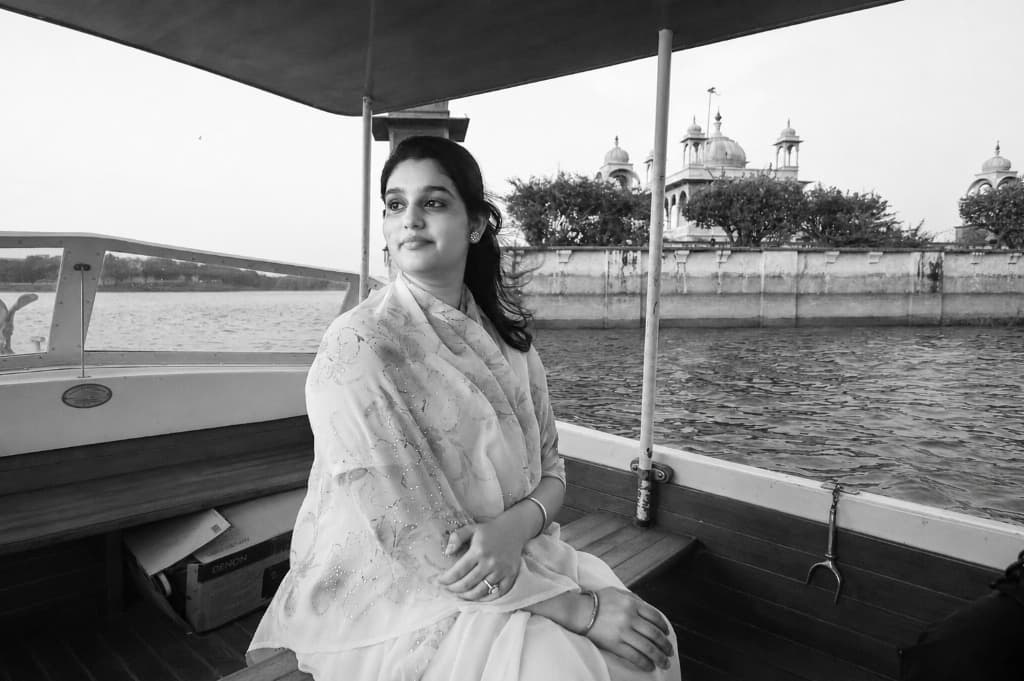
Princess Aaliya Sultana Babi: Defending 65 Million Years of History
In Gujarat, Princess Aaliya Sultana Babi of Balasinor — affectionately known worldwide as the 'Dinosaur Princess' — has carved out a singular role in international scientific conservation. When one of the world's largest dinosaur egg nesting grounds and fossil graveyards was discovered in Balasinor, it faced immediate threats from illegal quarrying, vandalism, and unchecked tourist pilfering.
Recognising the irreplaceable scientific value of the site, Princess Aaliya stepped in personally. Without waiting for bureaucratic state machinery, she taught herself field paleontology, accompanied international researchers, and began physically patrolling the fossil beds. Today, she conducts educational tours for schoolchildren and village youth, teaching rural communities that their barren rocky soil is a priceless geological treasure that must be preserved.
Her tireless advocacy was instrumental in the establishment of the Balasinor Dinosaur Museum and Fossil Park — now one of the world's premier paleontological tourism and research centers.
“Without waiting for state bureaucracy, she physically patrolled the fossil beds — protecting 65 million years of Earth's heritage.”
Conservation and Ecological Guardianship
In Dungarpur, Princess Shivanjali Kumari Dungarpur has chosen the camera lens as her instrument of advocacy. A dedicated wildlife photographer and naturalist, Shivanjali spends weeks in dense forest reserves documenting endangered species, while working with tribal communities around the Aravalis to raise awareness of forest habitat encroachment and water conservation.
Similarly, in Gwalior, Priyadarshini Raje Scindia has spearheaded extensive rural health initiatives, women's self-help microfinance groups, and heritage tourism circuits that integrate rural craftswomen into the wider state economy. By treating rural villagers not as subjects of charity, but as active partners in regional renewal, these women are demonstrating that the true measure of noble lineage is the capacity for enduring empathy and service.
The Royal Gallerys Perspective
The modern Indian royal woman occupies a unique position in global society. She straddles two worlds: one of ancient genealogy and centuries of ritual reverence, and one of democratic governance, social media, and modern scientific rigor.
By directing their privilege toward the service of the vulnerable, these leaders are proving that aristocracy is not defined by blood or inherited privilege. It is earned every day through the courage to lead, the humility to listen, and the commitment to leave the world more just and beautiful than they found it.
THE ROYAL GALLERYS is the international magazine for heritage, culture and luxury — documenting the people, places and ideas shaping the worlds of royalty, jewellery, design, travel and contemporary life. Our editorial authority rests on deep engagement with India's cultural ecosystem and a commitment to telling the stories that matter.
For editorial inquiries, story proposals, and partnership discussions, contact our editors at hey.theroyalgallerys@gmail.com.
Krishanpriya Rajawat
Royal Lineage & Heritage Editor. THE ROYAL GALLERYS is the international magazine for heritage, culture and luxury — editorial authority on the people, places and ideas shaping our world.
Part of Society
This article is part of THE ROYAL GALLERYS Society section — our international editorial destination for society, heritage and luxury.
Explore All Society Stories →