From Gold to Mechanics: A Quiet Shift
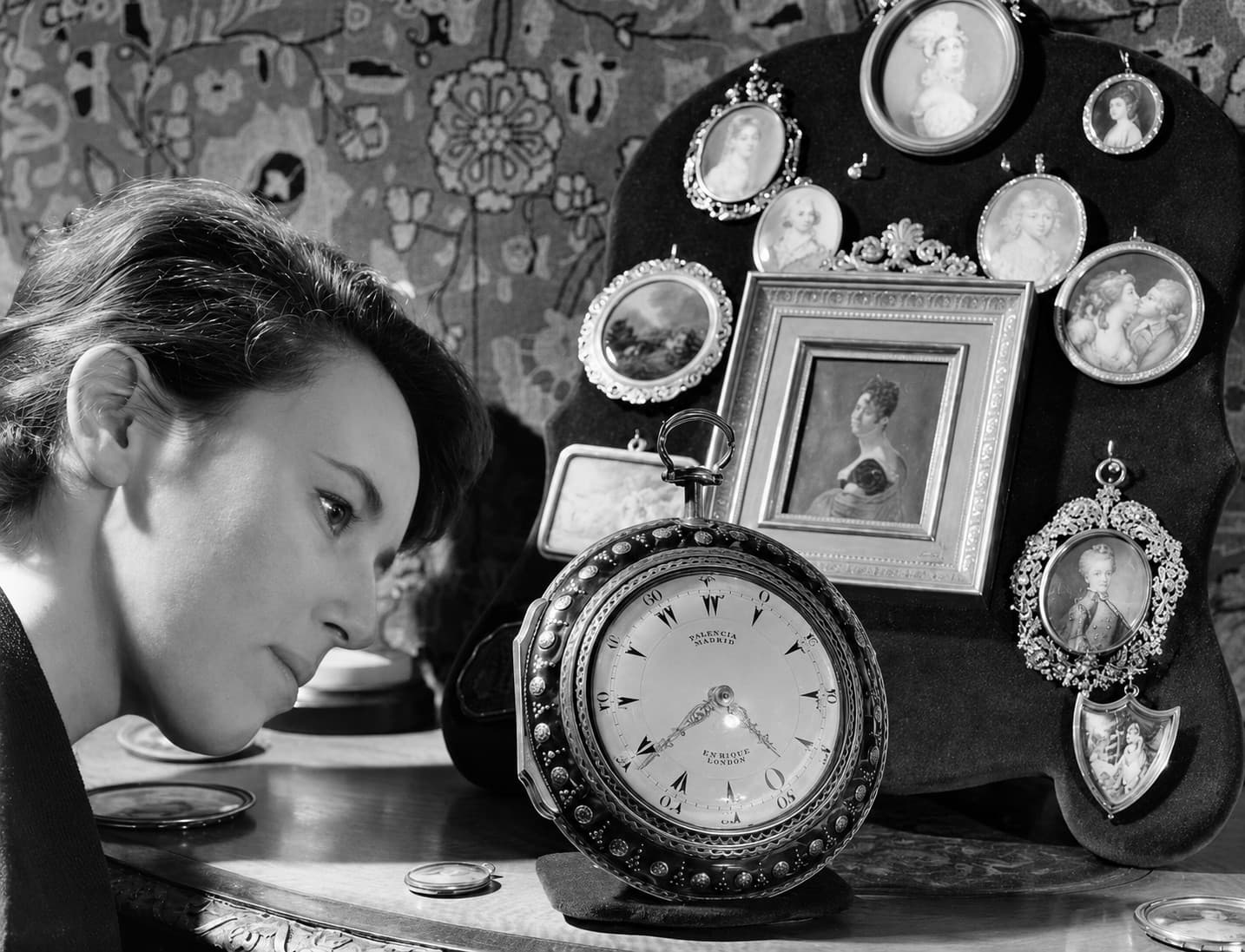
For much of the past century, the instinct of the affluent Indian family was to preserve wealth in gold. Jewellery was inheritance, liquidity and devotion in a single object — a store of value passed from one generation to the next with the weight of ritual behind it. That instinct has not disappeared. But alongside it, a quieter shift has been taking hold: the rise of the mechanical watch as a serious object of collection among India's wealthy.
This is not a story of substitution. Gold remains central to Indian wealth culture. Rather, it is a story of addition — of a generation that has begun to treat the wristwatch as something more than an accessory. For these buyers, a mechanical watch is engineering, history and beauty held in a compact, wearable form. It rewards study. It can be passed down. It carries a narrative that a gold chain, for all its permanence, does not.
The result is a collector culture taking shape in a market long defined by status purchases. The difference is meaningful, and it is quietly changing how luxury watchmaking is understood across India.
“The collector is not buying a marque to announce arrival; they are assembling a body of knowledge.”
Who Is the New Indian Collector?
The new Indian collector defies easy generalisation. Some arrive from the world of luxury automobiles or contemporary art, carrying habits of research and discernment into a new field. Others inherit the tradition from a parent or grandparent who wore a fine watch as a marker of professional success, and who now watches that object acquire a different kind of meaning.
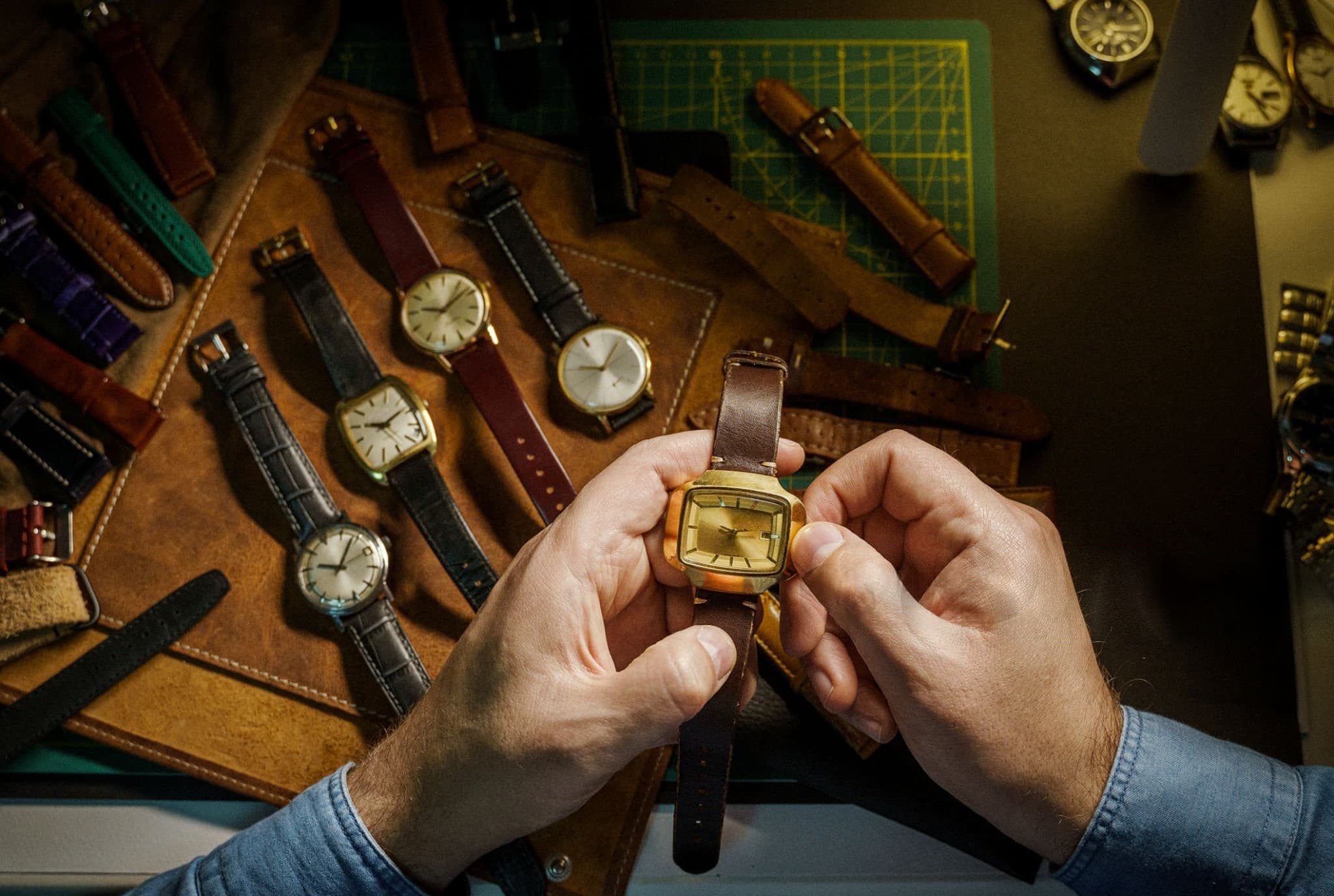
What unites them is a shift in motive. The collector is not buying a marque to announce arrival; they are assembling a body of knowledge. They understand the difference between a manufacture movement and a modified one. They follow independent watchmakers alongside the grandes maisons. They read about references, complications and finishing the way others read about wine or architecture.
This depth of engagement is relatively new in the Indian market, and it is the defining trait of the generation now emerging. It is a collector culture built on study rather than display — and it is precisely that seriousness which signals a market maturing beyond its status-symbol past.
What Drives the Collection
What drives this collecting is rarely a single impulse. For many, the mechanical watch is a store of value in a form they find more engaging than precious metal. A well-chosen reference can hold its worth, but it does so while remaining a pleasure to own and wear — a quality that distinguishes it from a bar or a certificate.
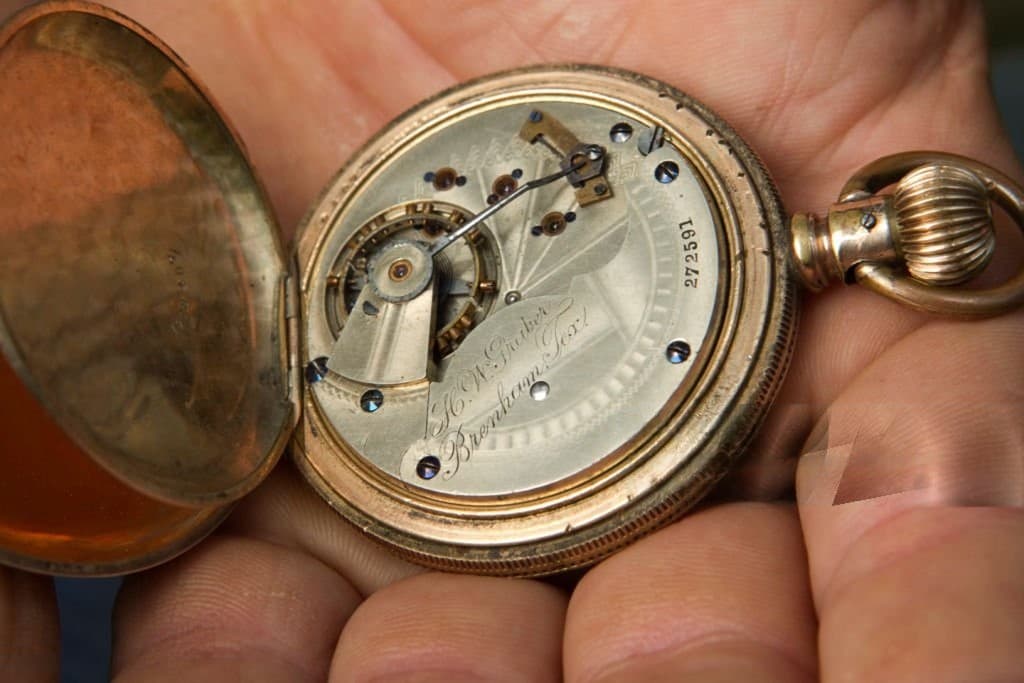
For others the appeal is more personal. A complication — a calendar, a chronograph, a moon phase — is a small universe of ingenuity that rewards attention. There is a satisfaction in understanding how it works, in appreciating the hundreds of parts assembled by hand, in knowing the lineage of the design. That satisfaction does not diminish with time; it deepens.
Then there is the matter of legacy. A mechanical watch is among the few luxury objects designed to outlive its first owner. It can be wound, worn and eventually handed on — a continuation, in a different key, of the very inheritance culture that once made gold the default.
“A mechanical watch is among the few luxury objects designed to outlive its first owner.”
The Culture of Collecting
A collector culture does not develop in isolation. It is sustained by conversation — by collectors' communities, auction rooms and the dialogue that forms around a shared fascination. India's watch community, still young, is already deepening in this way, and the seriousness of its participants is unmistakable.
Education is the foundation of this culture. The serious collector reads before they buy, and they buy more carefully as their knowledge grows. Publications, marque histories and the quiet expertise shared within collecting circles all feed a discernment that was once rare in the Indian market. This is how a market moves from accumulating objects to building collections — a distinction that matters enormously to the houses that serve it.
The collector's horizon has also widened. Indian buyers now participate in international auctions, follow independent makers, and think in terms of provenance and condition. The market is no longer a local affair; it is part of a global culture of horology, and India is steadily finding its place within it.
The Royal Gallerys Perspective
THE ROYAL GALLERYS sees the rise of watch collecting in India as one of the more significant developments in the country's luxury landscape. It is a shift from display to discernment, from the object as status to the object as study — and it deserves to be covered with the seriousness it demands.
We write about horology for collectors and for those becoming collectors: on the references that matter, the makers who define the craft, and the culture that surrounds them. We do so without hype, because the subject does not need it.
For marques and houses seeking to reach this audience with genuine authority, THE ROYAL GALLERYS offers editorial partnerships that place craft before commerce. To explore how your house can speak to India's emerging collectors, visit /advertise.
THE ROYAL GALLERYS is the international magazine for heritage, culture and luxury — documenting the people, places and ideas shaping the worlds of royalty, jewellery, design, travel and contemporary life. Our editorial authority rests on deep engagement with India's cultural ecosystem and a commitment to telling the stories that matter.
For editorial inquiries, story proposals, and partnership discussions, contact our editors at hey.theroyalgallerys@gmail.com.
The Royal Gallerys Editorial
Watches & Luxury Correspondent. THE ROYAL GALLERYS is the international magazine for heritage, culture and luxury — editorial authority on the people, places and ideas shaping our world.
Part of Watches
This article is part of THE ROYAL GALLERYS Watches section — our international editorial destination for watches, heritage and luxury.
Explore All Watches Stories →