From Status to Connoisseurship
For most of its modern history, the Indian luxury watch market was a status economy. A watch was a marker of arrival — a Rolex or an Omega that announced success to the world. That consumer still exists, but they are no longer the whole story, or even the most valuable part of it.
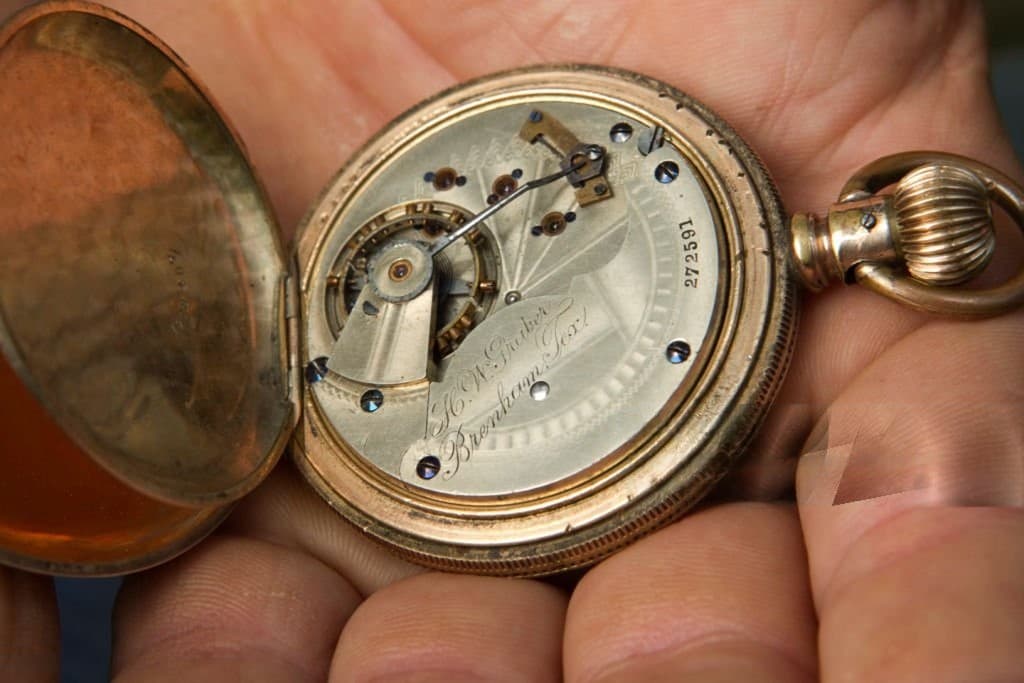
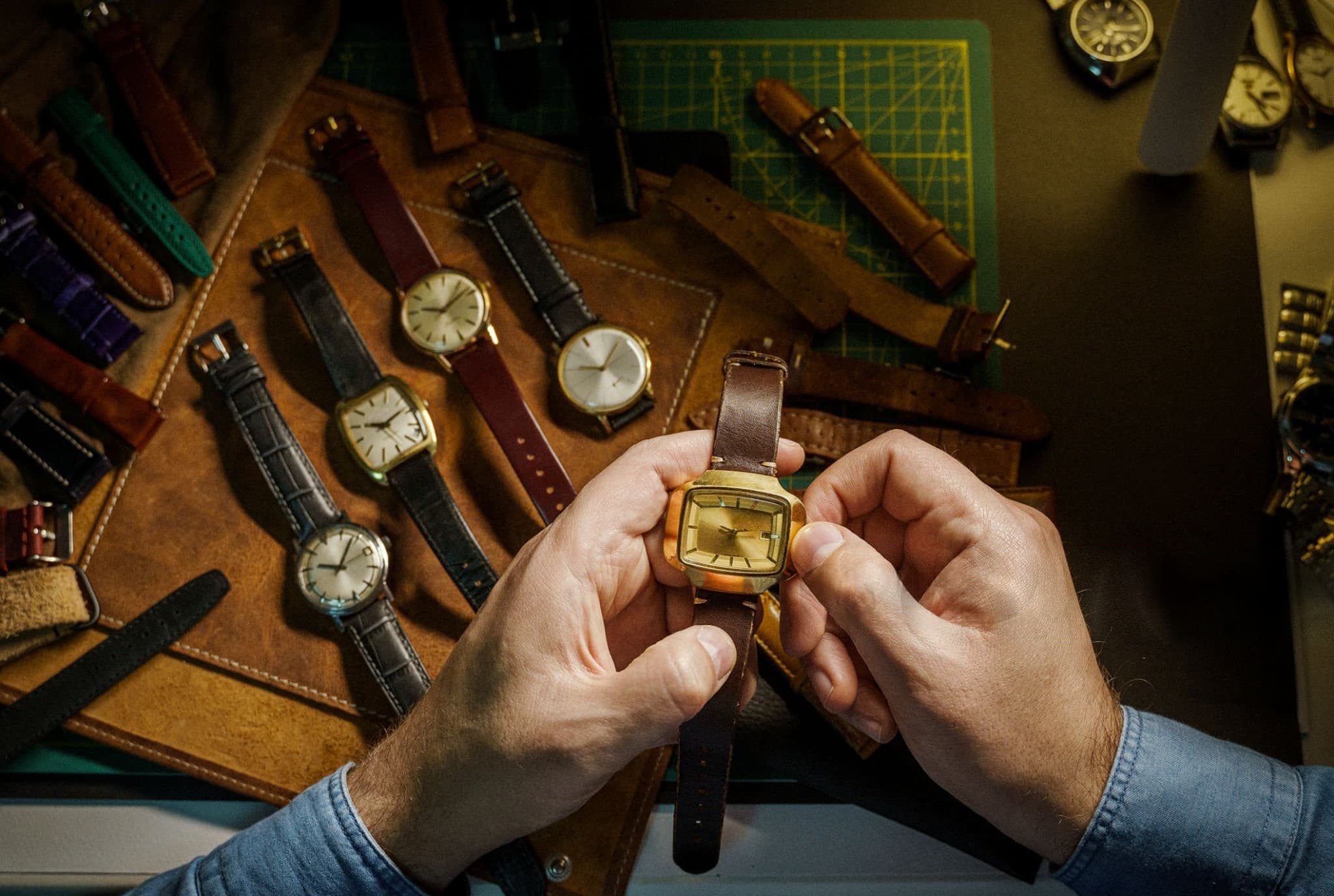
A new kind of buyer is emerging: the connoisseur. This consumer understands complications, follows the independent watchmakers, debates movement finishing, and purchases not to display status but to own a piece of engineering or art that they genuinely appreciate. They read about horology, attend auctions, and build collections with a curatorial discipline that was once rare in the Indian market.
This maturation matters commercially because connoisseurs behave differently from status buyers. They are more loyal to marques that respect their knowledge, more willing to pay premium prices for genuine craft, and more influential among the broader aspirational market that follows their lead.
“Collectors are high-frequency, high-value customers who form the durable core of a marque's Indian business.”
The Collector Economy: Loyalty and Premium
The shift from status to connoisseurship has concrete commercial implications. Collectors are high-frequency, high-value customers who form the durable core of a marque's Indian business. They are less price-sensitive than status buyers and far more loyal — provided the brand treats them as participants in a culture rather than targets of a campaign.
Collectors also drive the secondary market, which is increasingly a barometer of brand health. A marque that holds value at auction is a marque that commands respect in the primary market. The rise of Indian collectors participating in international auctions, and the emergence of serious Indian watch communities, signals a market that is deepening rapidly.
For brands, the strategic priority is clear: invest in the collector relationship. This means genuine expertise in the retail experience, participation in horological culture through events and editorial, and a willingness to engage with the knowledgeable buyer as an equal.
Retail and Experience: The Connoisseur's Expectation
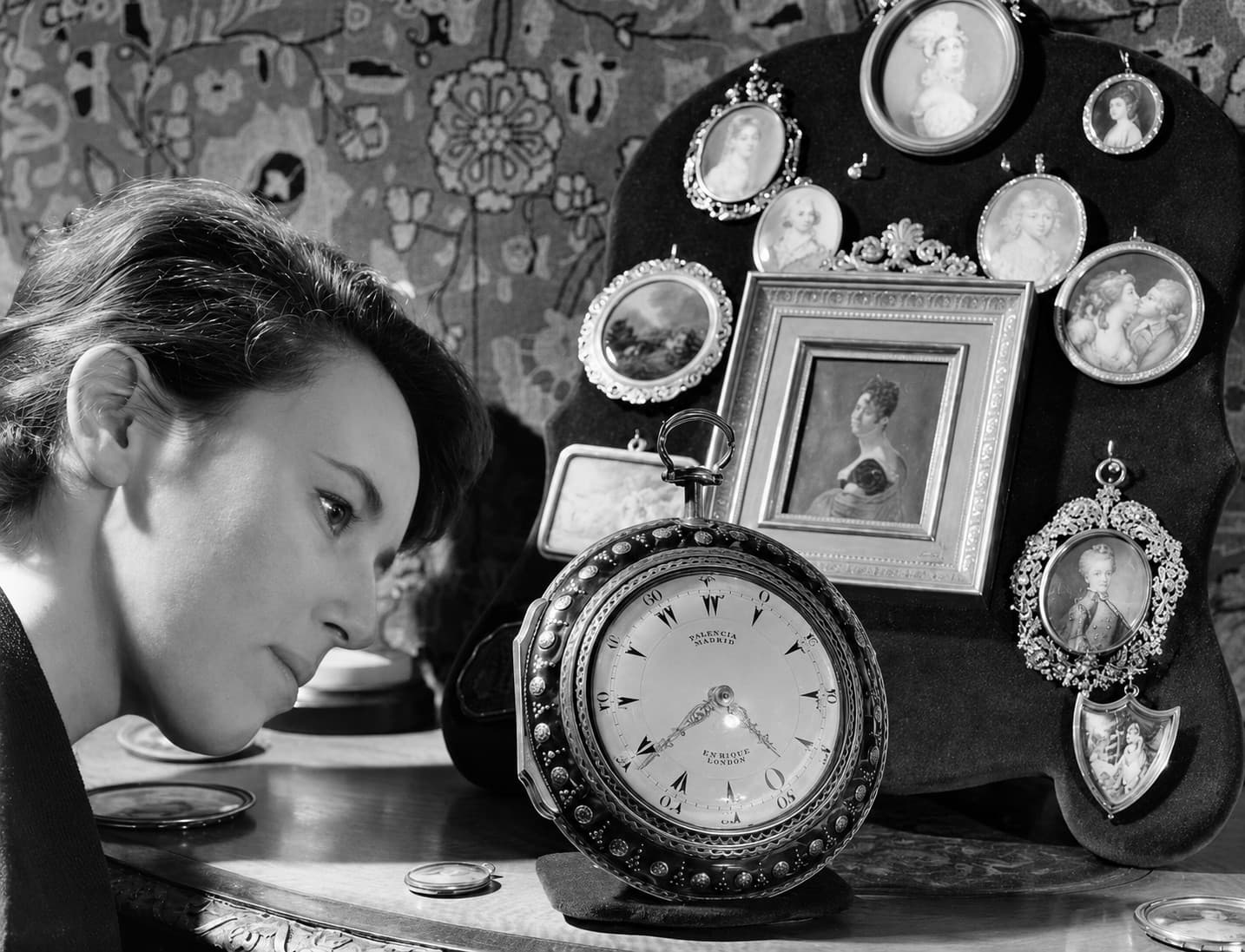
The connoisseur does not buy a watch the way they buy a handbag. The purchase is a decision that may take months, involves significant research, and is ultimately closed in an environment that must match the seriousness of the object. Retail experience — knowledgeable staff, private viewing rooms, access to rare pieces, the opportunity to handle a complication before committing — is not a luxury add-on but a baseline expectation for this segment.
This is where many brands under-serve the Indian market. A storefront that treats watches as inventory, staffed by salespeople without horological depth, repels precisely the collector the brand most wants to attract. Conversely, a retail experience built around expertise and access — the private preview, the conversation with a watchmaker, the invitation to a brand's horological event — converts a browser into a collector.
Editorial media complements this. The collector researches extensively before purchase, and credible editorial content — profiles of marques, explanations of movements, commentary on the market — shapes that research in ways advertising cannot.
“A storefront that treats watches as inventory repels precisely the collector the brand most wants to attract.”
The Royal Gallerys Perspective
THE ROYAL GALLERYS approaches watchmaking as we approach all luxury: as a subject of craft, culture and commerce, best understood through editorial seriousness rather than marketing gloss. We cover horology for the audience that values it — the connoisseurs, the emerging collectors and the decision-makers who serve them.
We believe the brands that will lead India's watch market are those that respect its maturing sophistication — that invest in expertise, engage with collectors as equals, and communicate through credible editorial rather than volume advertising. The market is ready for seriousness. The brands that meet it there will be rewarded.
THE ROYAL GALLERYS is the international magazine for heritage, culture and luxury — documenting the people, places and ideas shaping the worlds of royalty, jewellery, design, travel and contemporary life. Our editorial authority rests on deep engagement with India's cultural ecosystem and a commitment to telling the stories that matter.
For editorial inquiries, story proposals, and partnership discussions, contact our editors at hey.theroyalgallerys@gmail.com.
The Royal Gallerys Editorial
Watches & Luxury Correspondent. THE ROYAL GALLERYS is the international magazine for heritage, culture and luxury — editorial authority on the people, places and ideas shaping our world.
Part of Watches
This article is part of THE ROYAL GALLERYS Watches section — our international editorial destination for watches, heritage and luxury.
Explore All Watches Stories →