Britain's Grandest Historic Country Houses
Chatsworth, Highclere, and Blenheim Palace: Architectural ambition, hereditary art collections, and four centuries of aristocratic life.
The English country house is an architectural organism unlike any other in Western civilization. It was conceived simultaneously as a private family residence, an art gallery, a center of political power, and a sanctuary of landscape design.
Unlike the French châteaux, which were largely stripped and municipalized during the Revolution, Britain's greatest houses have maintained continuous hereditary custodianship. The portraits hanging in the Long Gallery were commissioned by direct ancestors; the gardens reflect three centuries of layered horticultural taste.
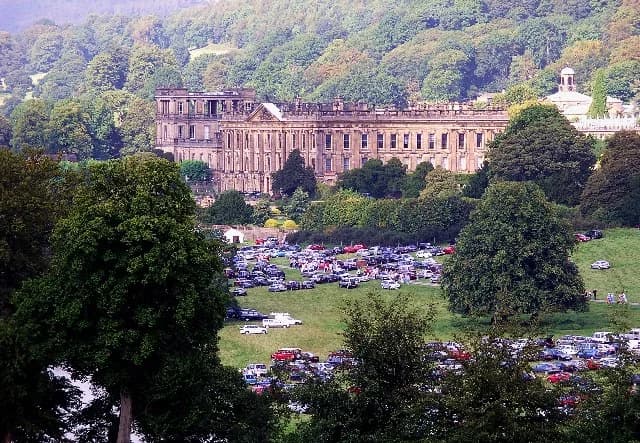
Chatsworth House
The Palace of the Peak and Four Centuries of Connoisseurship
Standing in the rolling hills of the Derbyshire Peak District above the River Derwent, Chatsworth represents perhaps the most complete private art repository in Western Europe. Passed down through sixteen generations of the Cavendish family since Bess of Hardwick built the original Elizabethan house in 1552, the house was transformed into an English Baroque triumph in 1687 by the 1st Duke of Devonshire. The Painted Hall, decorated with frescoes of Julius Caesar's triumphs by Louis Laguerre, leads to galleries housing works by Rembrandt, Reynolds, Lucian Freud, and Canova. The landscape, reshaped by Capability Brown and later Sir Joseph Paxton — who constructed the colossal Great Conservatory that inspired London's Crystal Palace — is an enduring masterwork of English garden art.
The Devonshire Collection: Over 4,000 Old Master drawings, Roman marbles, and Canova's marble statue of Madame Mère.
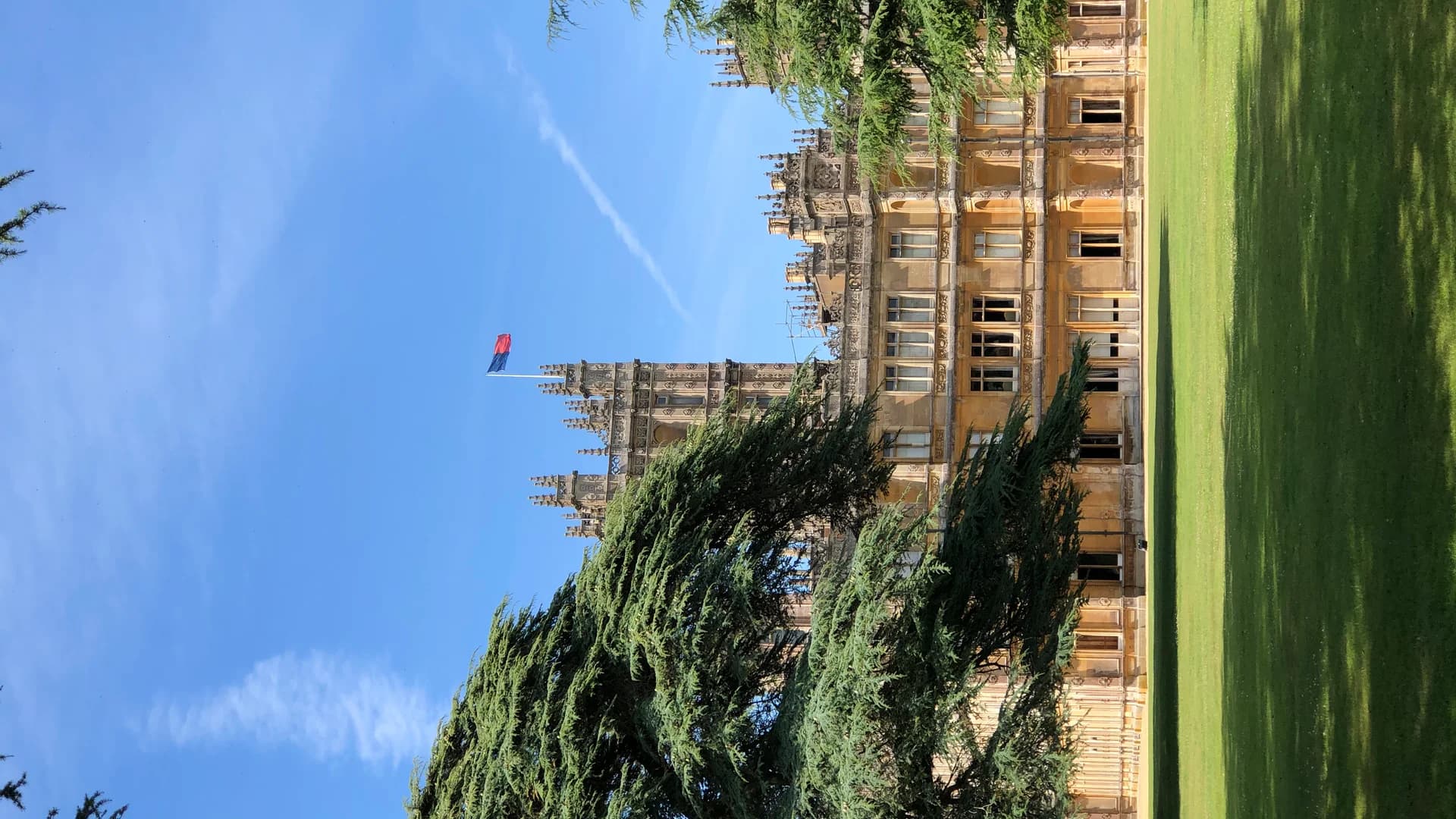
Highclere Castle
Barry's Jacobethan Masterwork & The Egyptological Archive
While internationally celebrated as the filming location for Downton Abbey, Highclere Castle possesses an architectural and historical significance that transcends cinema. In 1838, the 3rd Earl of Carnarvon commissioned Sir Charles Barry — while Barry was simultaneously designing the Palace of Westminster in London — to transform a modest Georgian house into an imposing Jacobethan palace clad in pale Bath stone. Its pinnacles, towers, and rich strapwork decoration create a dramatic silhouette across 1,000 acres of parkland designed by Capability Brown. Highclere was also the ancestral home of George Herbert, 5th Earl of Carnarvon, who financed Howard Carter and stood beside him in November 1922 when they made the historic breakthrough into King Tutankhamun's tomb in Egypt's Valley of the Kings.
The Carnarvon Egyptian Antiquities Collection, including original artifacts brought back from Luxor by the 5th Earl.
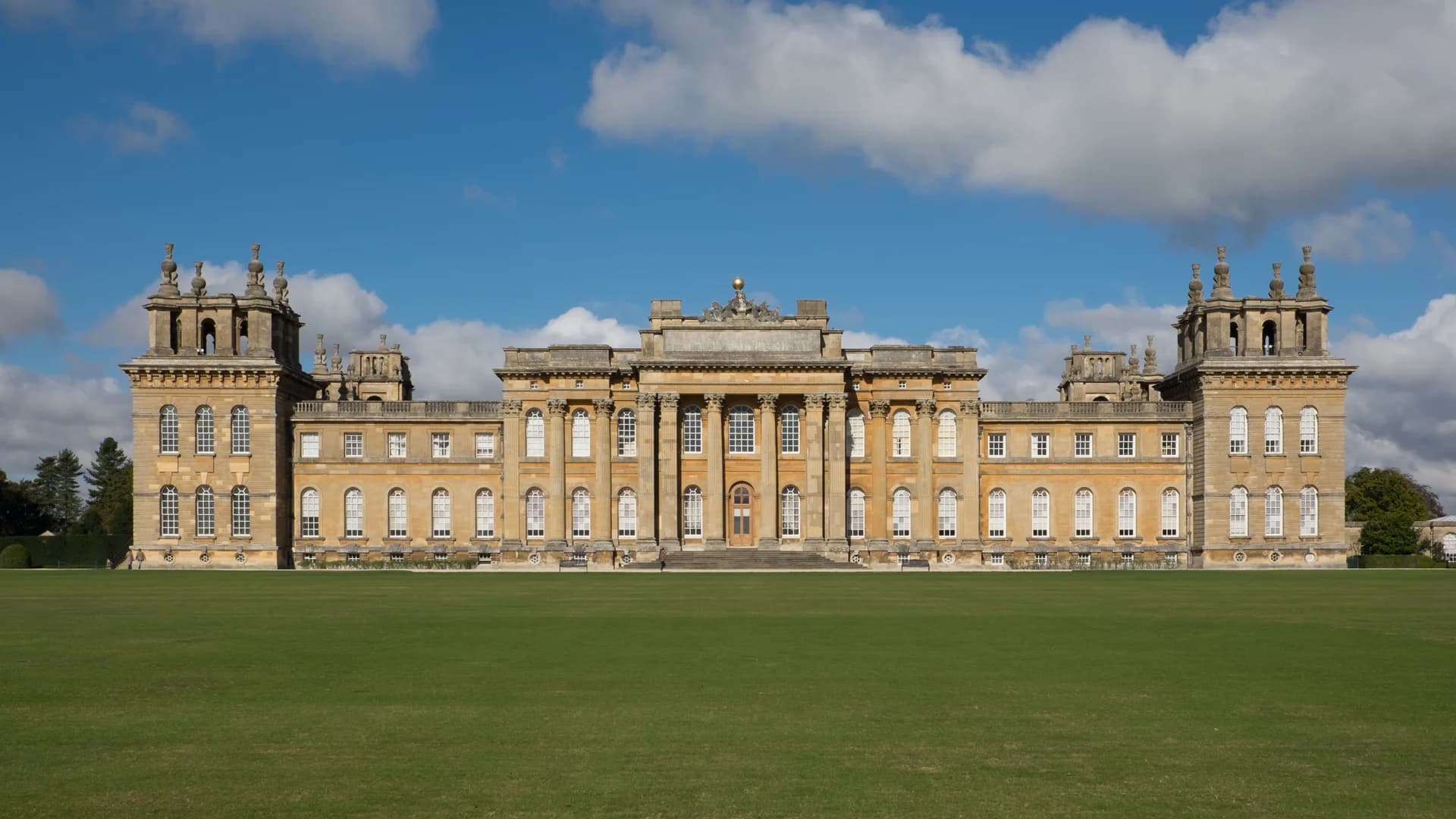
Blenheim Palace
England's Sole Non-Royal Baroque Palace & Churchill's Cradle
Designated a UNESCO World Heritage Site in 1987, Blenheim Palace is unique in England: it is the only non-royal, non-episcopal country residence in the nation titled a 'Palace'. Built between 1705 and 1722 as a national gift from Queen Anne to John Churchill, 1st Duke of Marlborough, following his triumph at the Battle of Blenheim, the palace represents the theatrical climax of English Baroque architecture. Designed by dramatist-architect Sir John Vanbrugh and executed with the brooding structural brilliance of Nicholas Hawksmoor, Blenheim features titanic Corinthian colonnades and military triumphal trophies. On 30 November 1874, Sir Winston Churchill was born in a ground-floor bedroom here, sealing Blenheim's place at the core of British modern history.
The Long Library (55 meters long), housing 10,000 books and the great Henry Willis pipe organ, beneath Grinling Gibbons woodcarvings.