Solving the Indian Supercar Dilemma
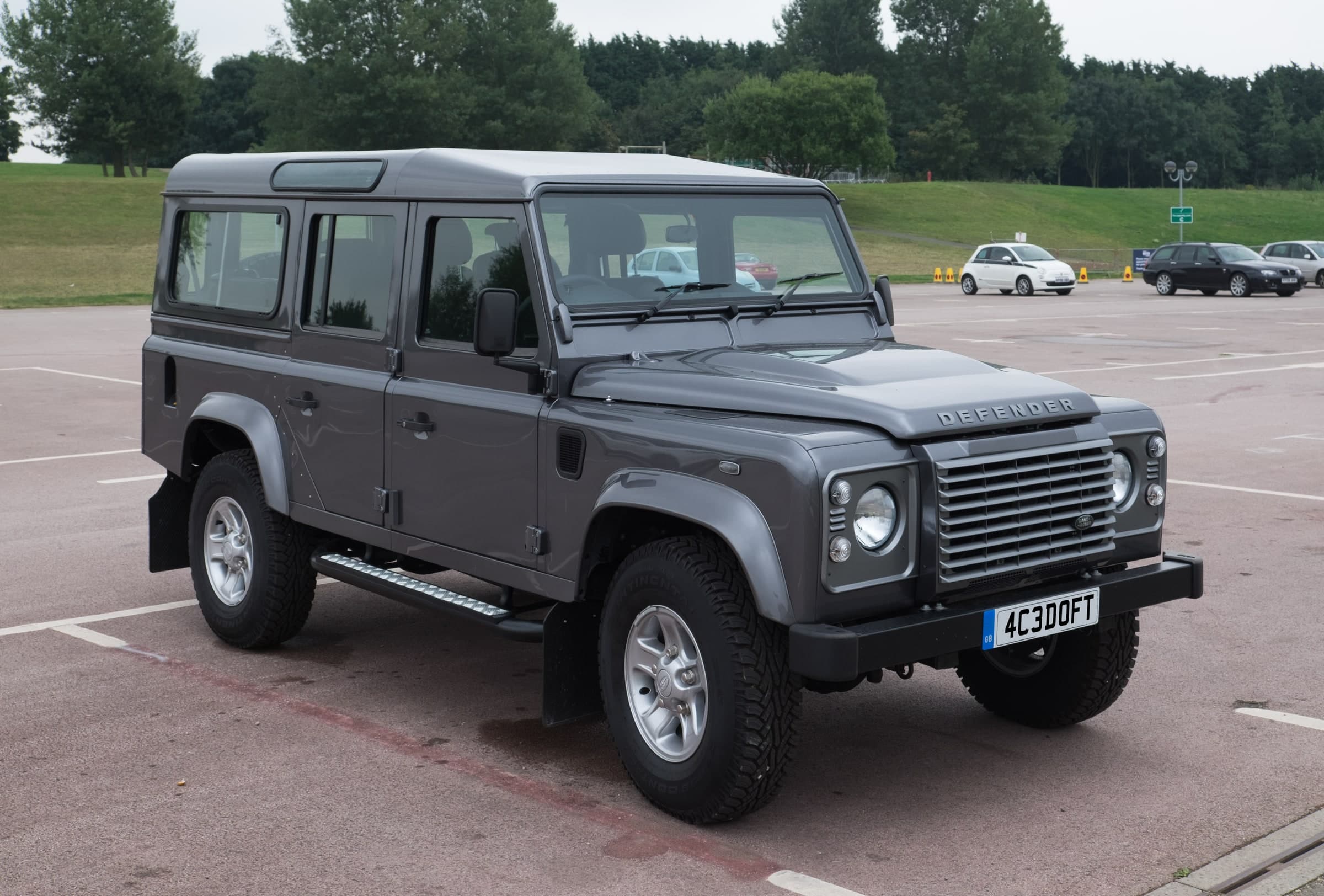
For over two decades, owning an exotic supercar in India was an exercise in frustration. Low-slung Ferraris, McLarens, and Lamborghinis capable of 330 km/h were constrained by steep hotel driveway ramps, unannounced highway expansion joints, and urban monsoon flooding. A supercar was frequently relegated to early Sunday morning sprints between 5:00 AM and 7:00 AM before returning to a subterranean climate-controlled basement.
Enter the Super SUV. When Lamborghini launched the Urus in 2018, purists recoiled, but the market spoke with thunderous clarity: India quickly became one of the fastest-growing Urus territories globally, with over eighty percent of buyers being first-time Lamborghini owners. The Super SUV solved the subcontinental paradox overnight: here was a machine capable of sprinting from zero to 100 km/h in 3.3 seconds that could also clear a 200mm speed breaker without scraping its carbon-fibre front splitter.
“The Super SUV solved the Indian supercar dilemma overnight: 700 horsepower performance that never scrapes on a speed breaker.”
DBX707, Purosangue, and Cayenne Turbo GT
Today, the performance envelope has reached staggering heights. Aston Martin's DBX707 deploys an AMG-derived 4.0-litre twin-turbo V8 tuned to deliver 707 metric horsepower, backed by wet-clutch nine-speed transmissions and carbon-ceramic brake discs the size of dinner plates. On the new Delhi-Mumbai Expressway, the DBX707 settles into a three-digit cruising rhythm with the vault-like poise of a trans-European GT car, its active 48-volt anti-roll bars eliminating cornering lean while air suspension cushions expansion gaps.
From Maranello comes the Ferrari Purosangue — a four-door thoroughbred powered by a naturally aspirated 6.5-litre V12 that revs to 8,250 RPM. Featuring trick Multimatic active spool-valve suspension with electric motor actuators at each wheel, the Purosangue rejects traditional anti-roll bars entirely, managing chassis pitch and roll with millisecond-level computing power. It is not an SUV in the traditional sense; it is a sports car that sits twenty centimetres higher off the tarmac.
Presence, Status, and Everyday Usability
In India's tier-one and tier-two metropolitan centers, the Super SUV addresses a crucial cultural nuance: status in India is communal. High-net-worth consumers frequently travel with family members, security entourages, or business associates. A two-seater mid-engine sports car isolates the owner; a five-seat Super SUV allows the entire family to experience the sensory drama of a twin-turbo V8 on weekend runs from Mumbai to Alibaug or Delhi to the Aravali hills.
Furthermore, interior bespoke tailoring has evolved to rival bespoke sedans. Hand-stitched Bridge of Weir leather, Alcantara roof linings, twenty-speaker Burmester 3D sound systems, and rear-seat infotainment touchscreens ensure that whether an owner is driving through serpentine Ghat roads or sitting in evening traffic, the environment remains tranquil and deeply luxurious.
“Status in India is communal. A five-seater Super SUV allows the entire family to share in the acoustic and physical drama of a masterwork engine.”
Hybridisation and the Next Frontier
As European emissions legislation tightens, the segment is rapidly adopting plug-in hybrid powertrains. The Lamborghini Urus SE and Porsche Cayenne Turbo E-Hybrid integrate powerful electric motors between the engine and transmission, providing instantaneous silent electric torque for quiet city commutes, backed by thunderous V8 combustion for open highway stretches.
This dual personality resonates deeply with younger Indian entrepreneurs who value environmental consciousness in the boardroom but cherish the mechanical visceral roar of high-octane engineering on the open road. The Super SUV has not merely survived; it has redefined the modern flagship vehicle.
The Royal Gallerys Perspective
The Super SUV was once dismissed as a marketing compromise. In reality, it represents the most pragmatic and capable luxury vehicle ever created for subcontinental infrastructure.
By marrying genuine race-bred engineering with all-terrain usability, marques like Aston Martin, Porsche, and Ferrari have created cars that are driven daily rather than admired from afar. That, in the final analysis, is the ultimate luxury: performance that can be experienced every single day.
THE ROYAL GALLERYS is the international magazine for heritage, culture and luxury — documenting the people, places and ideas shaping the worlds of royalty, jewellery, design, travel and contemporary life. Our editorial authority rests on deep engagement with India's cultural ecosystem and a commitment to telling the stories that matter.
For editorial inquiries, story proposals, and partnership discussions, contact our editors at hey.theroyalgallerys@gmail.com.
Karanjit Singh
Expeditions & Automotive Writer. THE ROYAL GALLERYS is the international magazine for heritage, culture and luxury — editorial authority on the people, places and ideas shaping our world.
Part of Motoring
This article is part of THE ROYAL GALLERYS Motoring section — our international editorial destination for motoring, heritage and luxury.
Explore All Motoring Stories →