The Portable Palaces of Rajasthan
When a Maharaja journeyed across his dominions for a military inspection, hunting campaign, or diplomatic conclave, he did not abandon comfort; he travelled with a portable city. Known as the lashkar, these royal caravans transported grand tented palaces made of heavy multi-layered canvas lined with crimson velvet, gold-embroidered silk, and woven Persian rugs.
At nightfall, as hundreds of flaming torches (mashaals) and hammered brass oil lamps illuminated the camp perimeter, the royal dining tent (khas shamiana) became an oasis of enchantment. Open to the desert breeze, guests were seated on low cushioned gaddis or carved camp furniture crafted from polished rosewood and brass, while hereditary musicians played the sarangi and sitar beneath the canopy of stars.
“The royal lashkar was a portable palace—crimson velvet tents, Persian rugs, and candlelit tables pitched amidst the desert dunes.”
Cookery of the Campfire and the Pit
Outdoor encampments bred a distinct culinary tradition characterized by smoky richness and primal techniques. Master cooks dug shallow pits in the sand lined with stones and burning hardwood coals to slow-roast whole haunches of lamb marinated in wild berries and mustard oil—a technique known as Khad Khargosh (pit-roasted game).
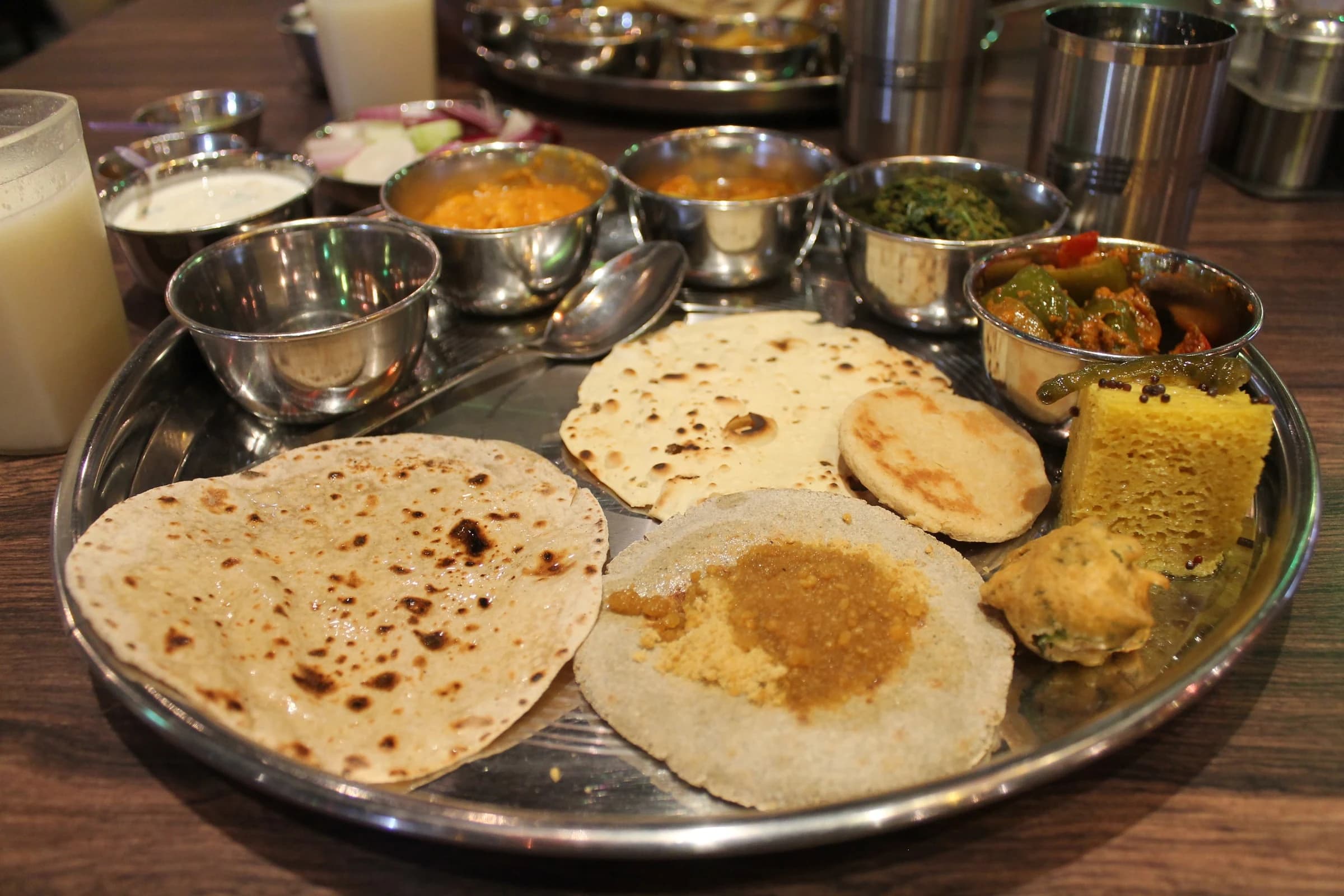
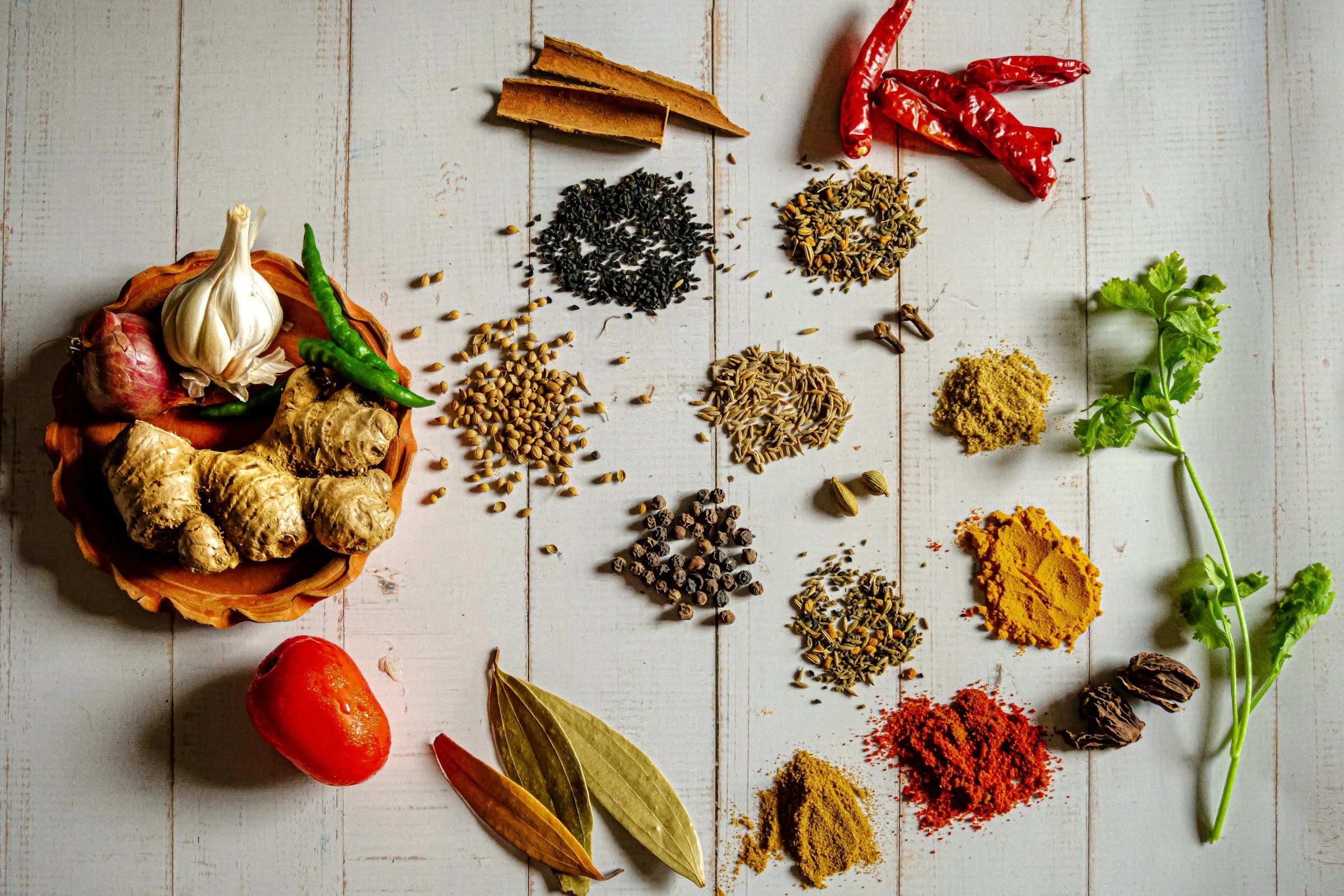
Breads were baked not in ovens, but directly upon the hot desert stones or buried in dying embers until crisp, then brushed with warm clarified butter. Accompanied by fiery garlic chutneys, charred smoked aubergines, and cooling yogurt churned with wild cumin seeds, the meal possessed an earthy, unvarnished intensity that indoor kitchens could never replicate.
The Contemporary Wilderness Sanctuaries
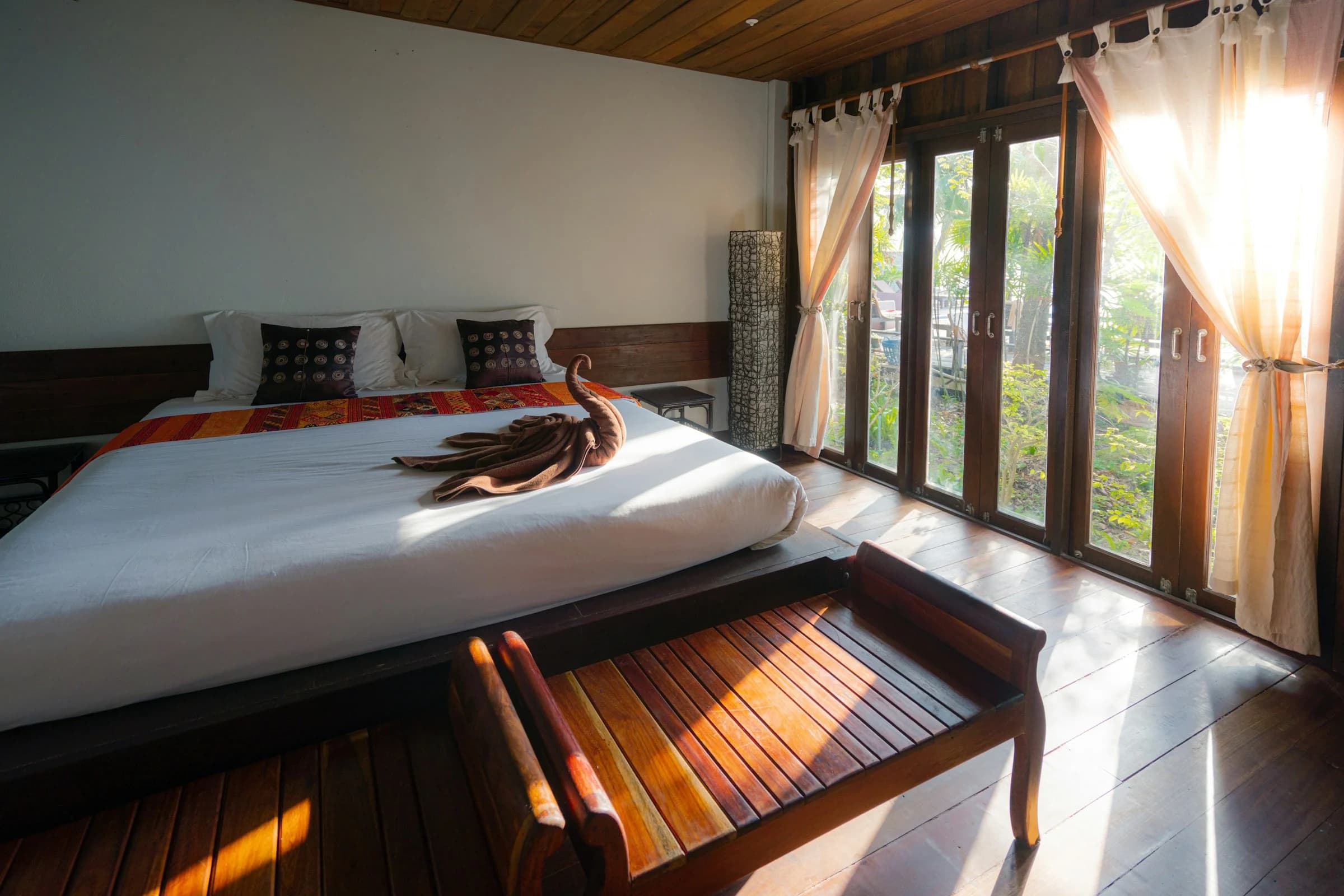
This extraordinary heritage of aristocratic outdoor entertaining lives on today at India’s premier luxury wilderness camps. At SUJAN The Serai in the golden desert dunes of Jaisalmer, dinner is served beneath a vast canopy of desert stars around roaring campfires, with silver candelabra casting warm reflections across white linen tables set amidst the sands.
At RAAS Chhatra Sagar in Nimaj—perched atop an ancient 19th-century reservoir dam built by Thakur Chhatra Singh—tented dining pavilions overlook tranquil waters where migratory birds glide at dusk. Here, recipes derived from the family’s private journals are prepared with produce harvested that afternoon from the estate’s organic farm, capturing the effortless elegance of aristocratic country life.
“Khad cookery buried spiced game in sand-pits lined with hot coals, producing an earthy succulence no indoor oven could ever match.”
The Royal Gallerys Perspective
The shikargah banquet is the ultimate expression of luxury: raw nature framed by courtly refinement. Far from the sterile predictability of modern urban restaurants, dining beneath the vast Thar desert sky connects the traveller to the timeless poetry of royal India.
THE ROYAL GALLERYS is the international magazine for heritage, culture and luxury — documenting the people, places and ideas shaping the worlds of royalty, jewellery, design, travel and contemporary life. Our editorial authority rests on deep engagement with India's cultural ecosystem and a commitment to telling the stories that matter.
For editorial inquiries, story proposals, and partnership discussions, contact our editors at hey.theroyalgallerys@gmail.com.
Rohan Singhal
Luxury Hospitality & Travel Editor. THE ROYAL GALLERYS is the international magazine for heritage, culture and luxury — editorial authority on the people, places and ideas shaping our world.
Part of Dining
This article is part of THE ROYAL GALLERYS Dining section — our international editorial destination for dining, heritage and luxury.
Explore All Dining Stories →