The Secret Treatises of the Royal Khansamas
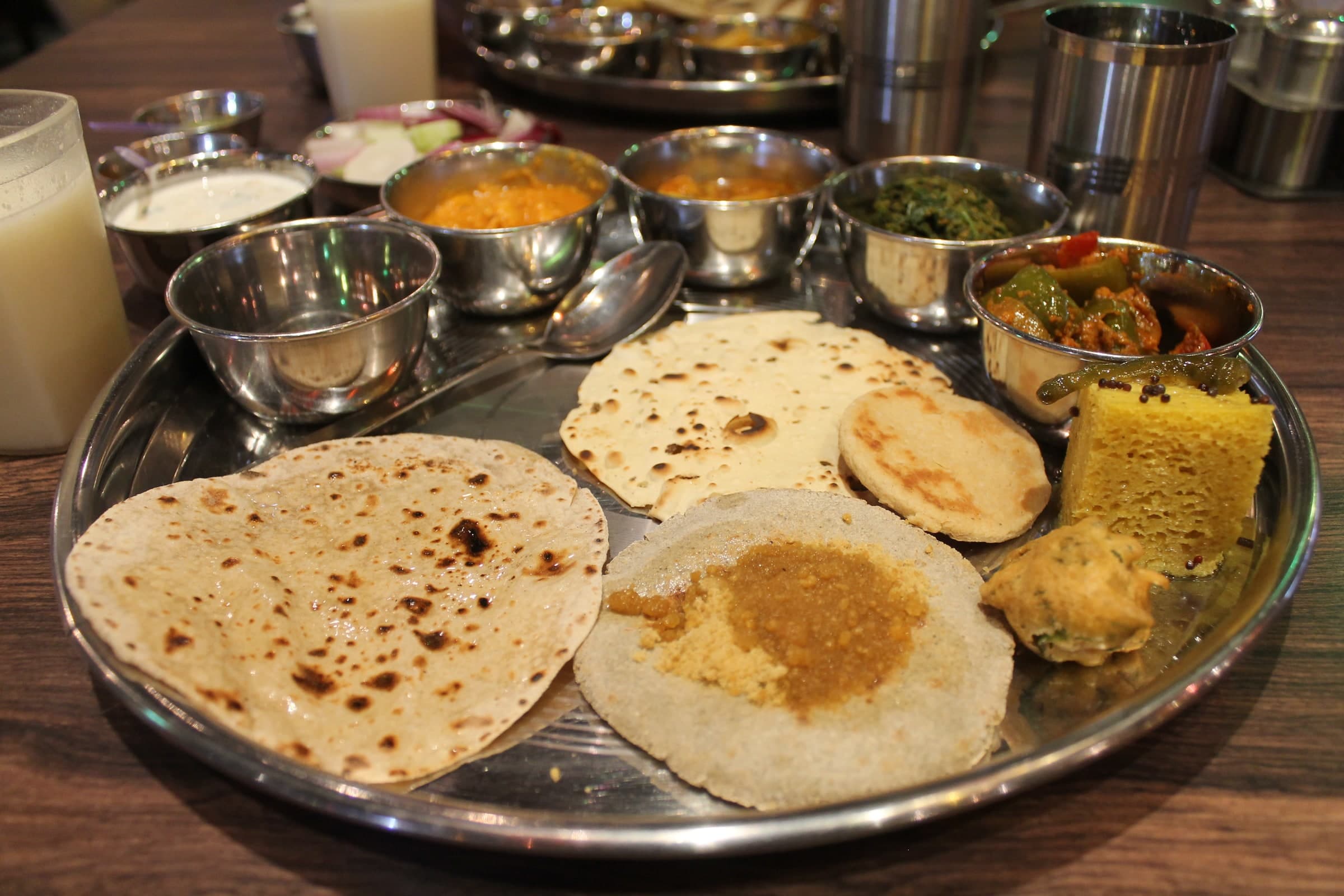
For generations, the most closely guarded secrets of India's princely states were not kept in weapon armouries or state treasuries, but in the rasoi and bawarchikhana — the royal kitchens. Here, hereditary royal cooks known as khansamas, maharajs, and bawarchis spent lifetimes perfecting recipes designed exclusively for royal palates. These were not casual domestic meals; they were sophisticated exercises in sensory diplomacy, medicinal balance, and political theater.
Recipes were rarely written down in public registers. Instead, they were recorded in private journals called *nuskhas* — penned in Persian, Urdu, Old Rajasthani, or Modi Marathi, often deliberately encoded using obscure measurements and poetic metaphors to prevent rival courts from replicating them. In the court of Rampur, known across northern India for its subtle perfumes and refined gravies, a royal sauce might call for 'the essence of seven dew-drenched roses picked before dawn' alongside botanical distillations of vetiver and musk. In the desert fortress courts of Marwar and Mewar, culinary ingenuity adapted to prolonged sieges and arid terrain, yielding complex game preparations preserved with wild mustard oil, dried desert berries like ker and sangri, and unpasteurised goat's milk clarified butter.
“The royal recipes of India were never casual domestic meals; they were sophisticated exercises in sensory diplomacy, medicinal balance, and courtly statecraft.”
The Great Erasure: Post-1947 Dispersion
The dissolution of princely states following 1947, followed by the derecognition of royal privy purses in 1971, brought an abrupt end to the vast patronage systems that sustained royal kitchens. Palaces that once employed hundreds of culinary specialists — from master bread-makers (*nanbais*) who understood forty distinct leavening techniques, to spice roasters (*masalchis*) whose hands could discern humidity levels in coriander seed by touch — were forced to downsize.
Many aging khansamas passed away without apprentices, carrying recipes for century-old preparations like Rampuri *Tar Korma*, Awadhi *Gulab Ki Kheer*, and the legendary Mewari *Maas ke Sooley* to the grave. Family manuscripts were lost in damp palace basements, discarded during estate divisions, or misidentified as unremarkable ledgers. What survived in mainstream Indian restaurants was often a heavily commercialised, cream-saturated caricature of 'Mughlai' food that bore little resemblance to the delicate, herbally balanced gastronomy once served in royal durbars.
Rescuing the Manuscripts: The Living Revival
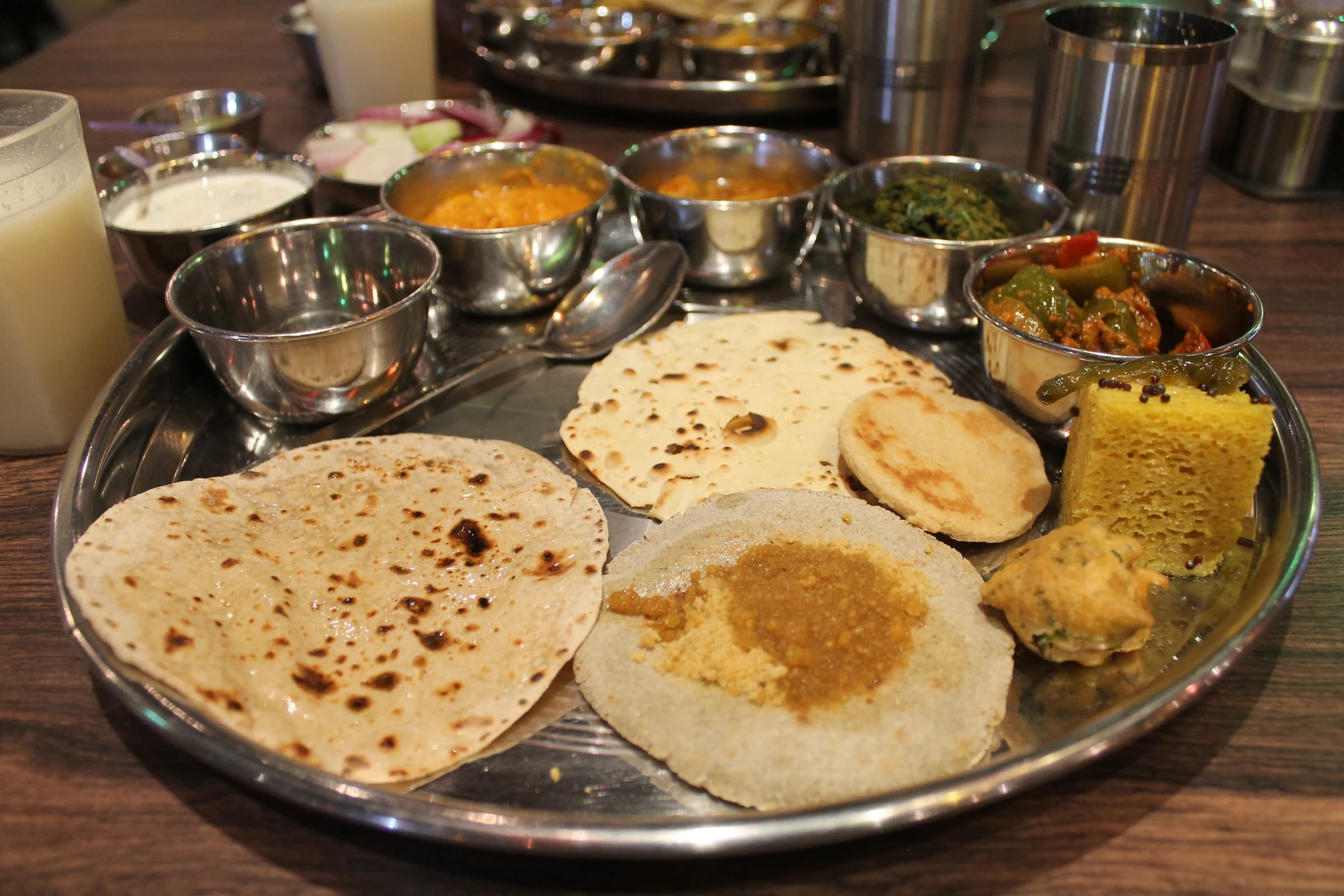
Over the past decade, a quiet revolution has taken root among the descendants of India's royal houses and independent culinary historians. Rather than allowing their ancestral tables to become folklore, custodians across Rajasthan, Gujarat, Madhya Pradesh, and Uttar Pradesh have begun systematically translating, testing, and codifying these archival texts.
In Rampur, the Raza Library's rare collection of Urdu and Persian culinary manuscripts is being deciphered by historians working with the royal family to revive forgotten dishes like *Gosht Halwa* — a savoury-sweet masterpiece where slow-braised meat is transformed into a silky confection scented with cardamom and saffron. In Udaipur, the House of Mewar has meticulously documented centuries of ceremonial banqueting records, reconstructing the exact nutritional balance and seasonal rotation observed during royal military campaigns and festive durbars.
Meanwhile, in Sailana — a small princely state in Madhya Pradesh whose Maharaja Digvijaya Singh wrote the seminal 1980 book *Cooking Delights of the Maharajas* — the family continues to preserve one of the subcontinent's most rigorous archives of royal recipes. Their preparations, such as *Murgh Mumtaz Mahal* and mutton cooked with ground sandalwood paste, illustrate how royal cooking was grounded in an Ayurvedic understanding of cooling herbs, warming aromatics, and digestive balance.
“When an aging khansama passed away without an apprentice, an entire archive of century-old botanical knowledge vanished from the earth.”
From Royal Treatises to Contemporary Fine Dining
This archival renaissance is now permeating the highest tier of international hospitality. At luxury palace hotels including Rambagh Palace in Jaipur, Taj Falaknuma in Hyderabad, and Umaid Bhawan in Jodhpur, culinary teams are no longer relying on generic pan-Indian luxury menus. Instead, they are collaborating directly with royal families to offer authentic royal degustations.
At Falaknuma, guests are served multi-course Nizami feasts featuring *Shahi Dawat* dishes that require twelve hours of gentle charcoal simmering in sealed copper vessels. In Jaipur, palace chefs work alongside royal retainers to source heirloom ingredients — such as Mathania chillies grown only in a specific microclimate near Jodhpur, and single-origin stone-pressed mustard oils from Bharatpur — ensuring that the flavour profiles remain uncompromisingly authentic.
Importantly, this revival avoids nostalgic pastiche. Modern fine-dining techniques — precise temperature immersion, refined clarification, and delicate plate presentation — are deployed to showcase the extraordinary intellectual depth of Indian royal culinary treatises to an international audience.
The Royal Gallerys Perspective
Gastronomic heritage is as vital to a culture's identity as its architecture or literature. When a royal recipe is lost, an entire matrix of agricultural knowledge, spice chemistry, and ceremonial etiquette disappears with it.
The work of documenting and cooking from India's royal archives is not merely an exercise in dining nostalgia; it is a vital act of cultural restoration. As global gastronomy increasingly searches for authenticity, nuance, and historical depth, the royal kitchens of India offer an inexhaustible library of flavour that stands shoulder-to-shoulder with the grandest court cuisines of Europe and Imperial China.
THE ROYAL GALLERYS is the international magazine for heritage, culture and luxury — documenting the people, places and ideas shaping the worlds of royalty, jewellery, design, travel and contemporary life. Our editorial authority rests on deep engagement with India's cultural ecosystem and a commitment to telling the stories that matter.
For editorial inquiries, story proposals, and partnership discussions, contact our editors at hey.theroyalgallerys@gmail.com.
Devika Rathore
Gastronomy & Heritage Editor. THE ROYAL GALLERYS is the international magazine for heritage, culture and luxury — editorial authority on the people, places and ideas shaping our world.
Part of Dining
This article is part of THE ROYAL GALLERYS Dining section — our international editorial destination for dining, heritage and luxury.
Explore All Dining Stories →