The Death of Decorative Excess
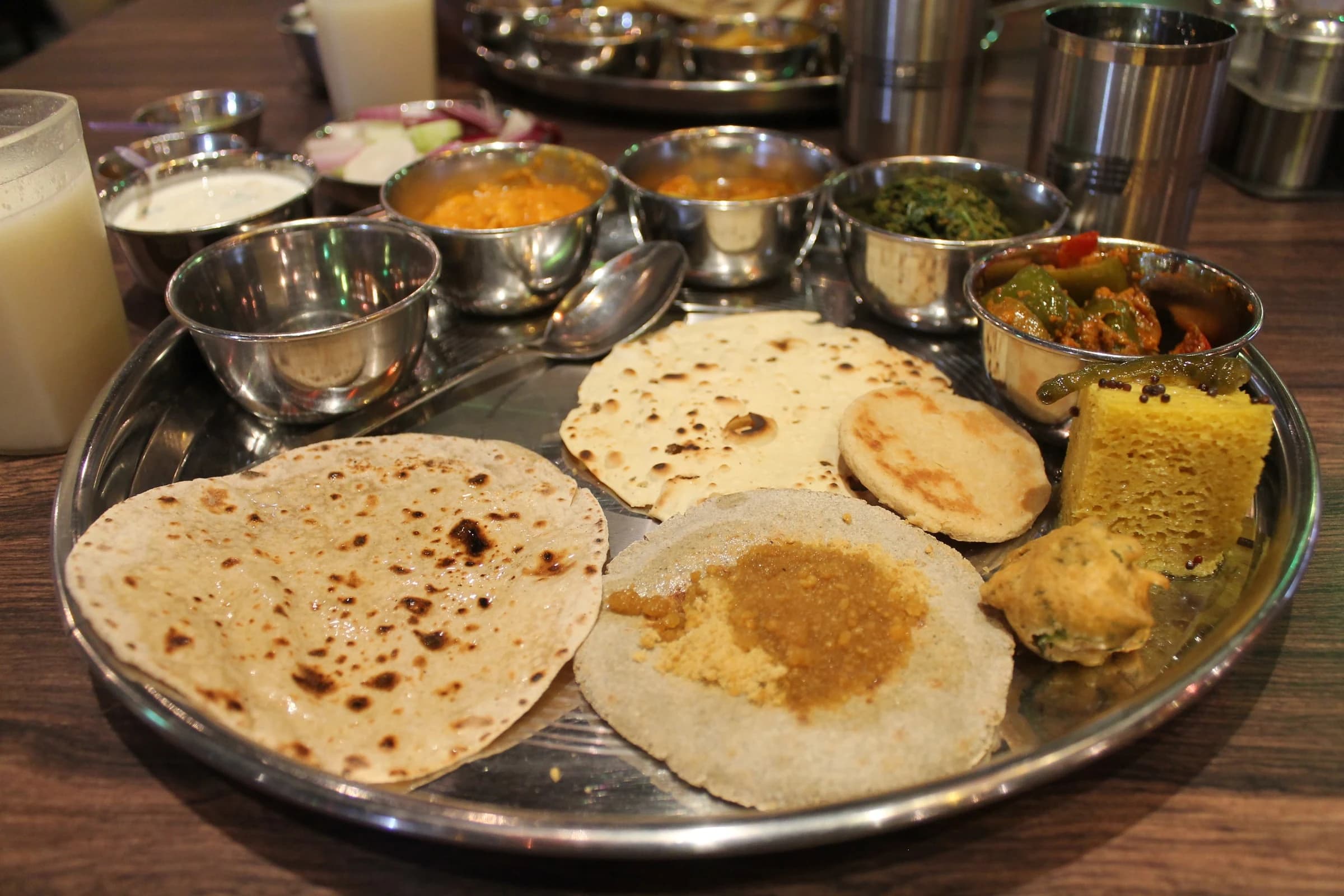
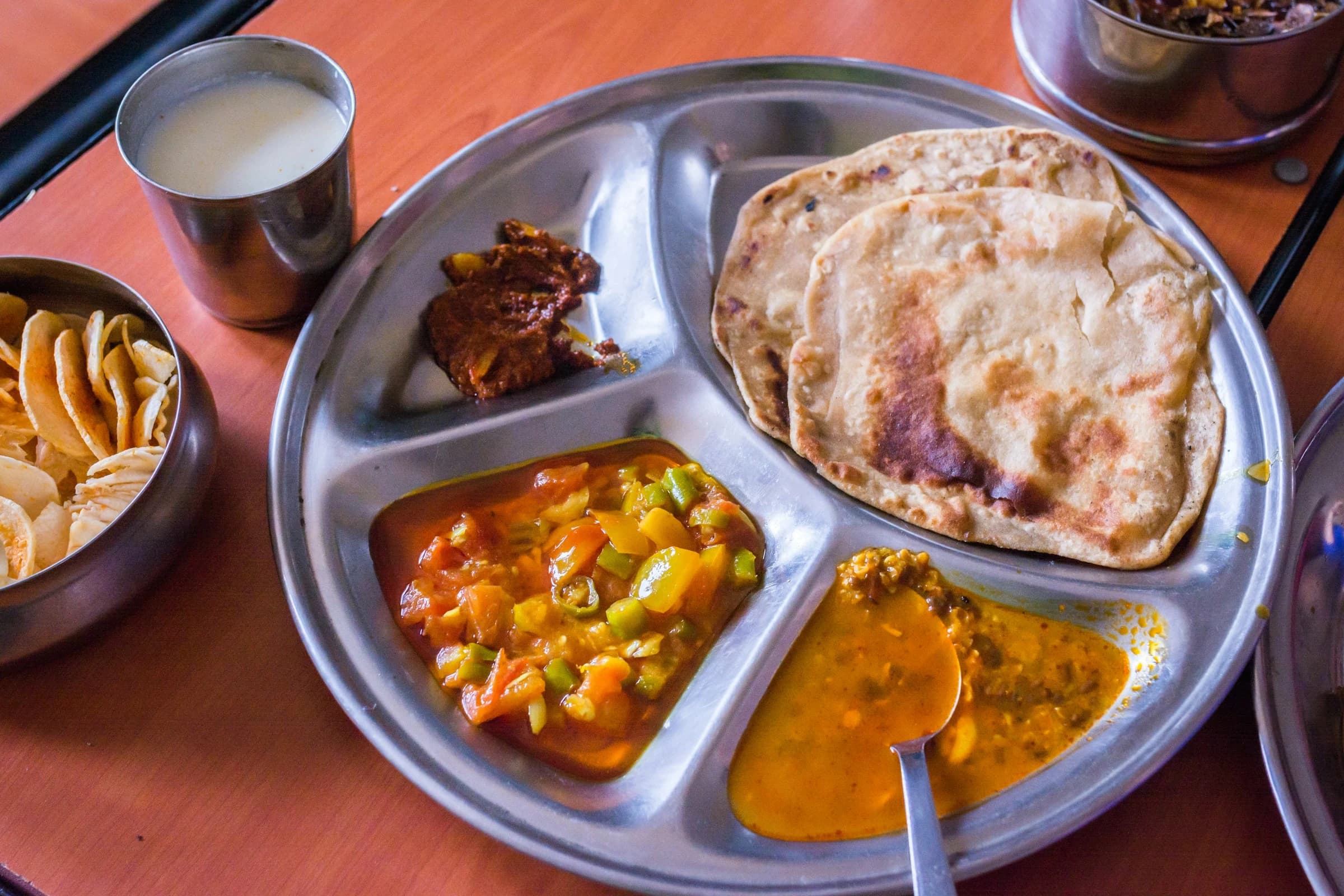
For decades, luxury dining in India was trapped in an aesthetic cycle of heavy gold leaf, silver filigree, and overflowing copper vessels. While undeniably opulent, this visual presentation often masked a lack of culinary rigor. Portions were colossal, gravies were thickened with cashews and heavy dairy, and dishes were buried under indiscriminate blankets of chopped coriander and silver vark.
Over the past decade, a profound aesthetic evolution has swept through the pinnacle of Indian dining. Inspired by the quiet restraint of Japanese kaiseki and the hyper-seasonal focus of Nordic gastronomy, leading Indian chefs have embraced the discipline of subtraction. Excess has been stripped away. On contemporary plates, each element is given space to breathe, allowing the pristine quality of single-estate ingredients to stand unchallenged.
“Modern Indian fine dining embraced the discipline of subtraction — proving that spice is not a sledgehammer, but a microscope calibrated to elevate extraordinary ingredients.”
The Architecture of the Modern Tasting Menu
At restaurants like Indian Accent in New Delhi, BiBi in Mayfair, and Tresind Studio in Dubai (the only Indian restaurant to be awarded two Michelin stars in the Middle East), dinner is structured as an orchestral narrative. Rather than the traditional simultaneous arrival of dozen dishes, the meal unfolds across eight to twelve precisely paced courses.
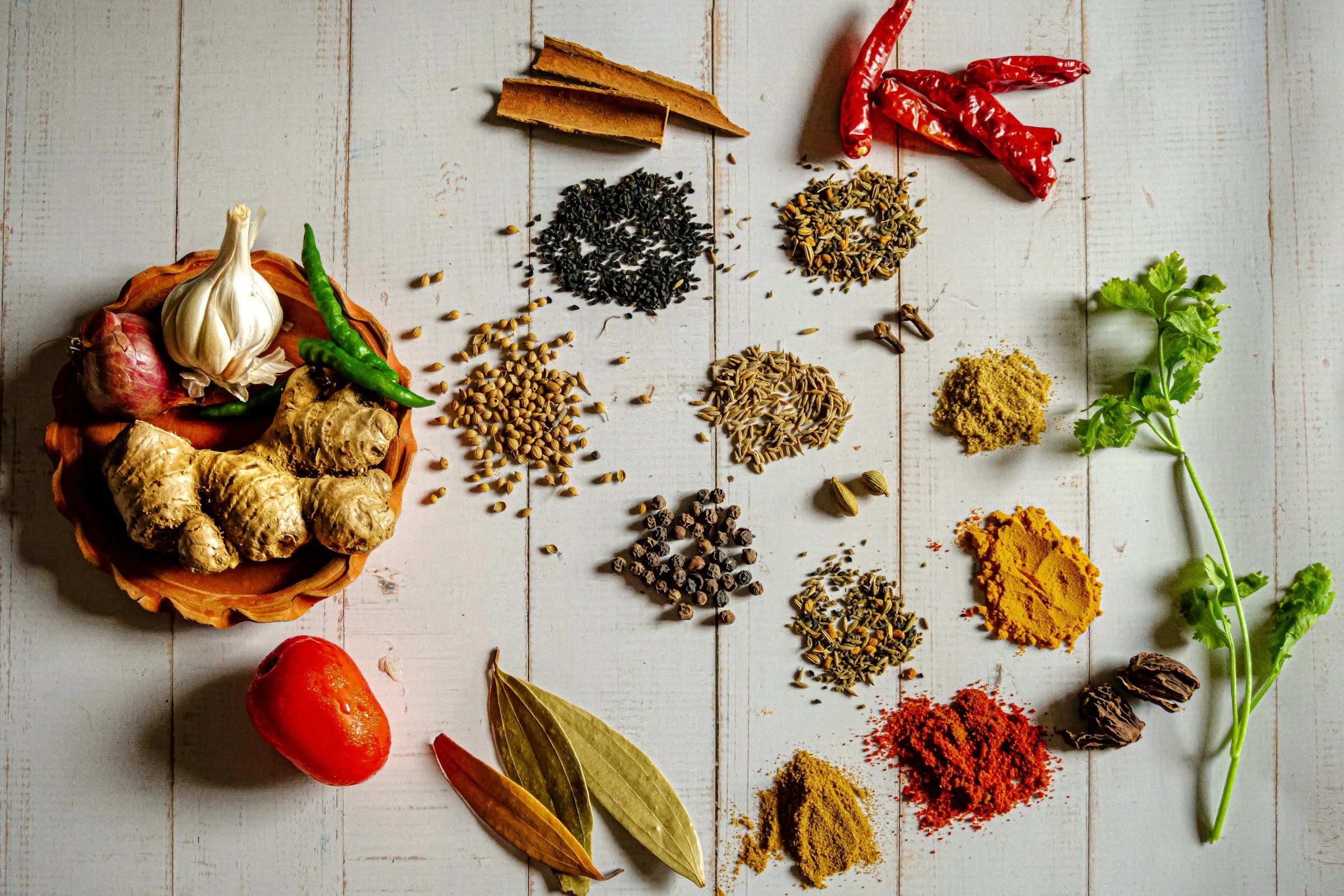
At BiBi, chef-patron Chet Sharma approaches subcontinental dining through the prism of a scientific researcher. Dishes like raw Scallop ceviche with nimbu pani ice or aged Swaledale lamb rib glazed with fermented black pepper demonstrate that subcontinental spice is not a sledgehammer, but a microscope — calibrated to elevate the natural sweetness of premium seafood or prime meat rather than overwhelm it.
Tablescaping as Cultural Theatre
This culinary revolution extends beyond the plate to the entire tactile environment of the dining room. Custom stoneware ceramics, hand-thrown by artisanal potters in Khurja or the English countryside, have replaced ornate silver platters. Cutlery is restrained: hand-forged brass and darkened steel replace baroque electroplate.
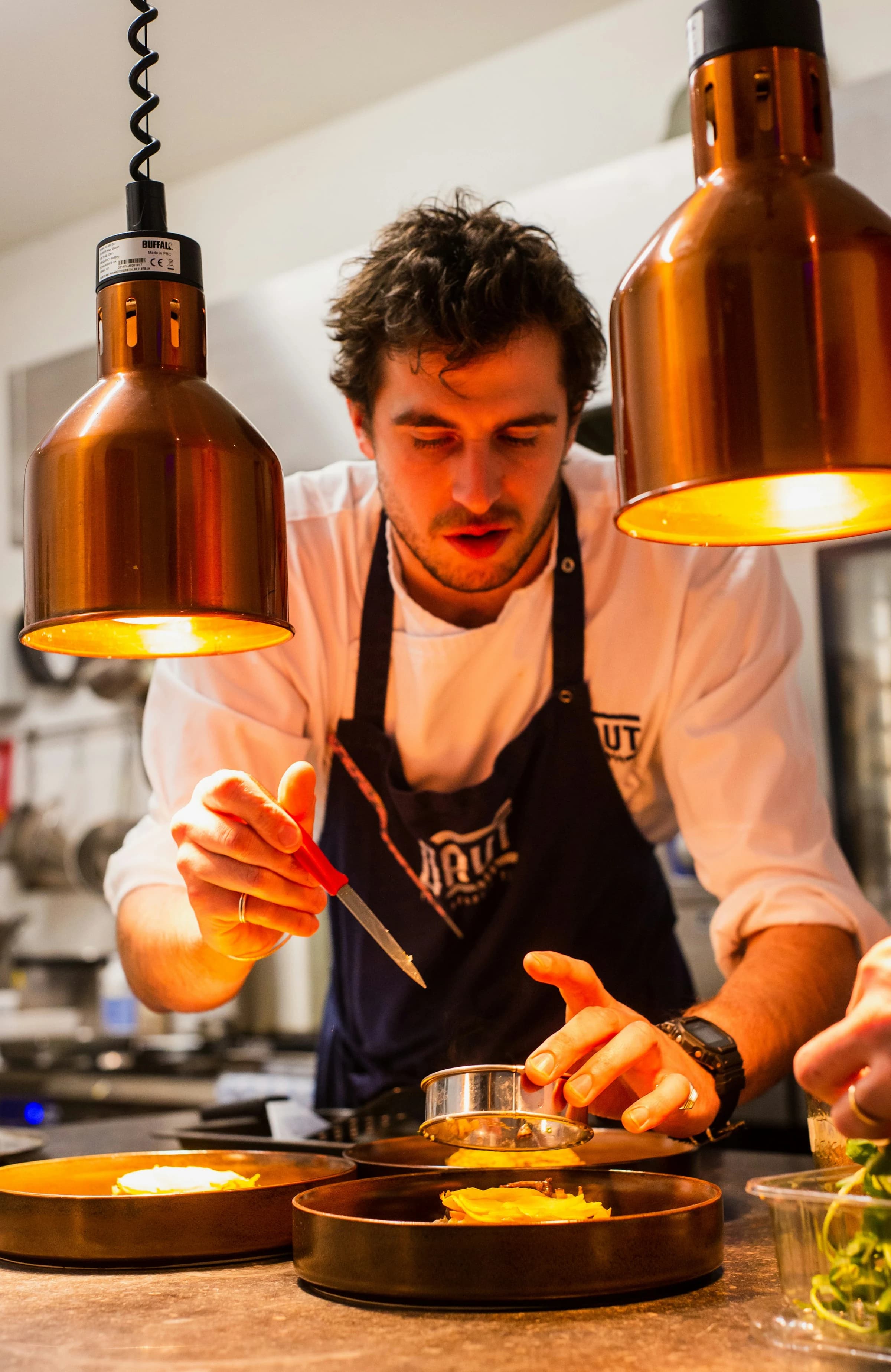
Lighting is calibrated with architectural precision, focusing intimate pools of warmth directly upon the food while leaving surrounding architecture in soft cinematic shadow. The resulting atmosphere feels modern, cultured, and undeniably worldly — proving that Indian dining belongs in the world's most sophisticated editorial spaces.
THE ROYAL GALLERYS is the international magazine for heritage, culture and luxury — documenting the people, places and ideas shaping the worlds of royalty, jewellery, design, travel and contemporary life. Our editorial authority rests on deep engagement with India's cultural ecosystem and a commitment to telling the stories that matter.
For editorial inquiries, story proposals, and partnership discussions, contact our editors at hey.theroyalgallerys@gmail.com.
Kavita Singhal
Senior Food & Wine Critic. THE ROYAL GALLERYS is the international magazine for heritage, culture and luxury — editorial authority on the people, places and ideas shaping our world.
Part of Dining
This article is part of THE ROYAL GALLERYS Dining section — our international editorial destination for dining, heritage and luxury.
Explore All Dining Stories →