The Table as an Architectural Canvas
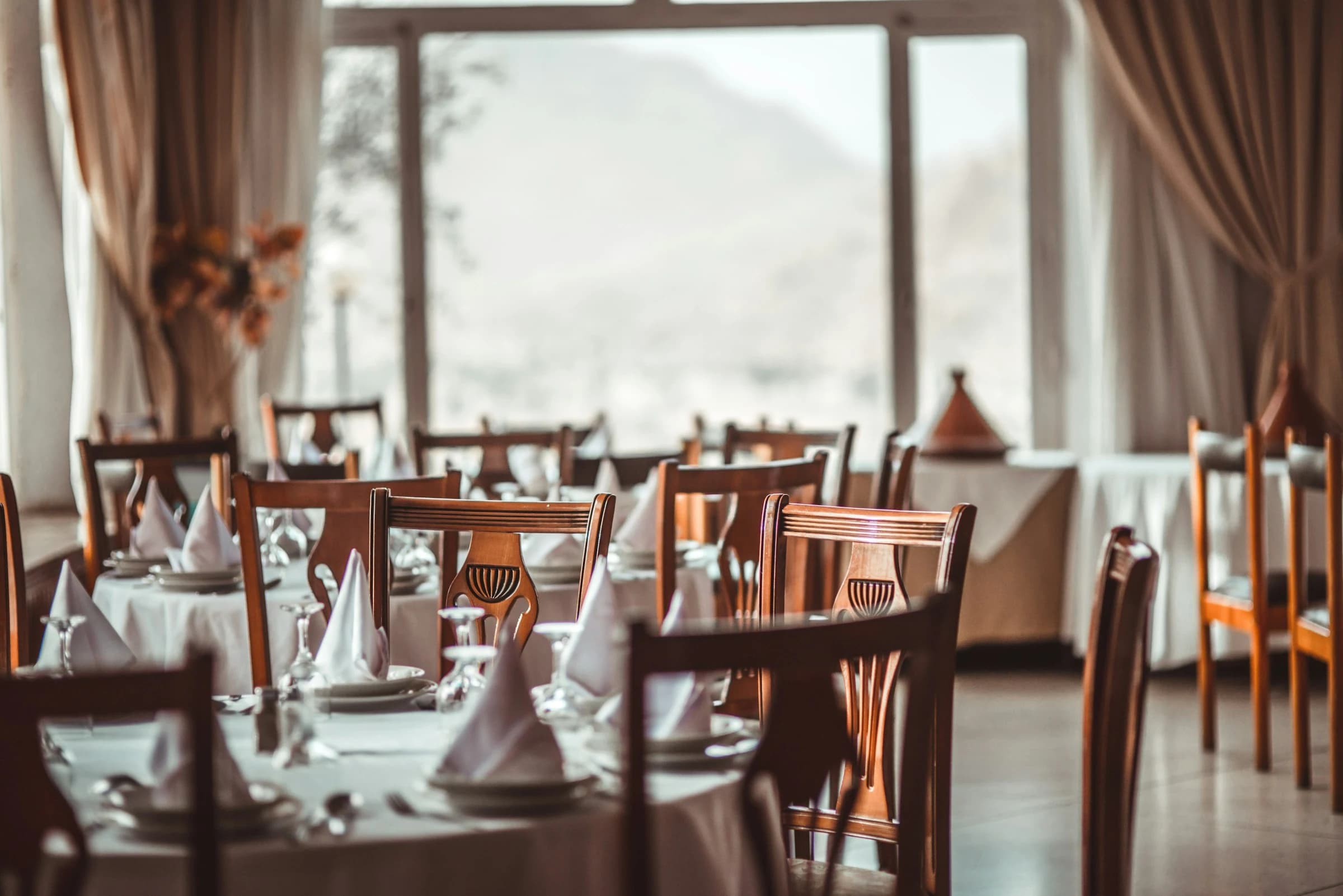
In civilized societies across Europe and Asia, the dining table has never been merely furniture; it has served as a sacred canvas upon which hosts project taste, ancestry, and diplomatic respect. When a guest steps into a dining salon, their impression is forged long before the first course is served: it is formed by the weight of the silence, the warmth of the candlelight, and the architectural geometry of the table setting.
At royal court banquets — from the Court of St James's in London to the royal courts of Rajasthan — setting the table was governed by rigid mathematical protocols. Staff used wooden measuring sticks to ensure that every charger plate rested precisely 45 centimetres from its neighbor, that crystal wine glasses formed exact 45-degree angles, and that silver cutlery sat exactly one inch from the table's edge.
“At royal banquets, staff used wooden measuring sticks to verify that every charger plate rested precisely 45 centimetres apart and one inch from the edge.”
Silver, Porcelain, and Linen: The Trinity of Materials
High-tier tablescaping is defined by three fundamental tactile elements:
• Solid Silver and Kansa: In the West, sterling silver flatware bearing family crests was prized for its cool weight and soft patina. In India, royal tables favored *kansa* (bell metal) and gold-washed silver (*gangajali* sets), valued for their antimicrobial purity and radiant golden warmth. • Bespoke Porcelain: Hand-painted porcelain commissioned from Sèvres, Meissen, or Worcester in Europe, or royal blue-and-gold enamel services commissioned by Indian maharajas from Parisian ateliers, turned each plate into an individual artwork. • Hand-Loomed Linens: Starched Irish damask, fine Egyptian cotton, or hand-spun Chanderi runners with delicate zardozi borders created acoustic softness, absorbing ambient clatter and creating an intimate cocoon of sound.
Contemporary Tablescaping: Organic Warmth over Stiff Rigidity
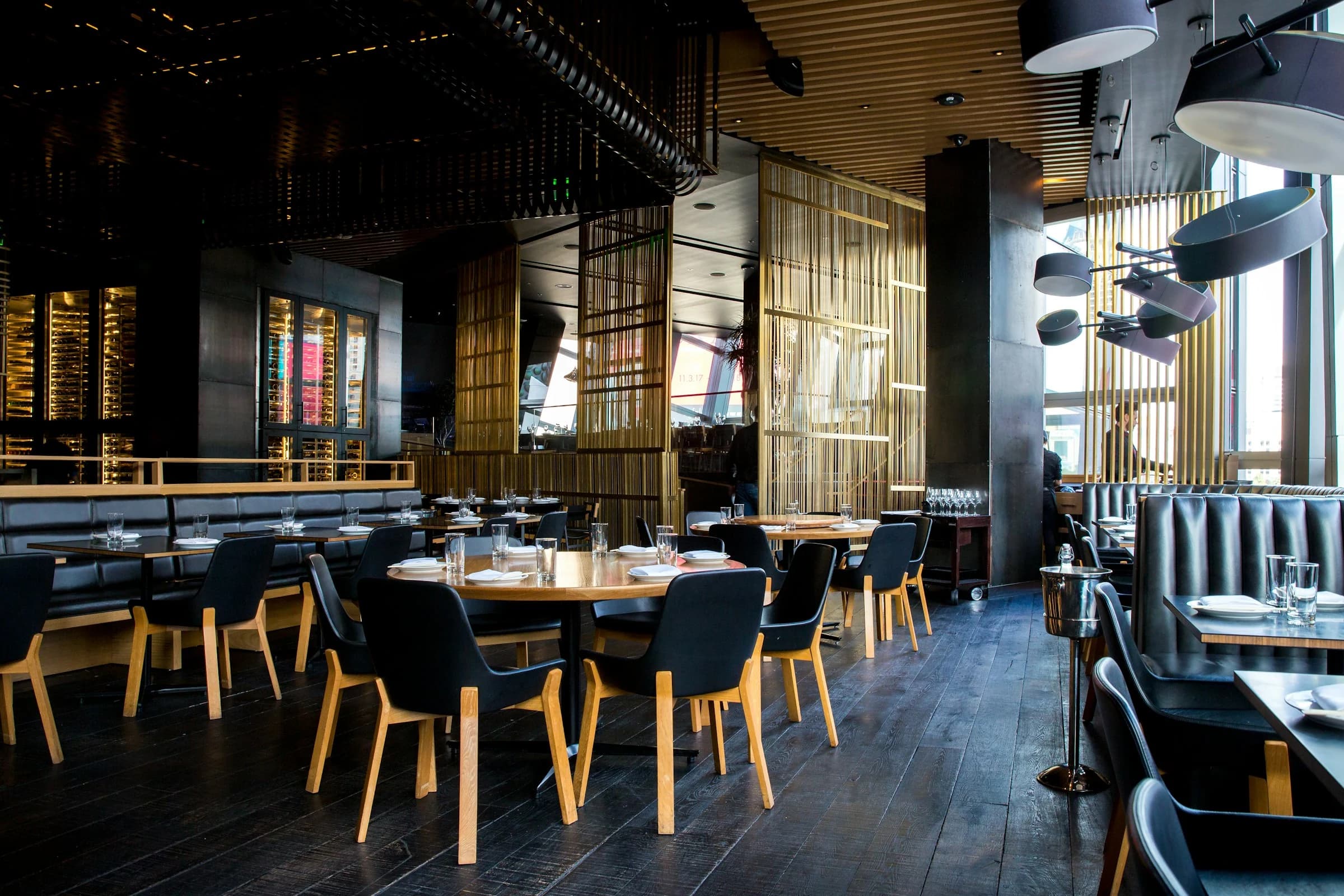
Today's luxury hosts are updating courtly traditions with relaxed contemporary confidence. While precision remains essential, the sterile perfection of hotel banqueting has given way to organic, textural warmth.
Modern tablescapes combine antique family silver with raw Belgian linen napkins, hand-blown uneven Murano crystal, low arrangements of seasonal wildflowers and fruit instead of towering floral barricades, and beeswax tapers in unpolished brass holders. The goal is no longer to intimidate the guest with unapproachable grandeur, but to embrace them with generosity, beauty, and authentic human warmth.
THE ROYAL GALLERYS is the international magazine for heritage, culture and luxury — documenting the people, places and ideas shaping the worlds of royalty, jewellery, design, travel and contemporary life. Our editorial authority rests on deep engagement with India's cultural ecosystem and a commitment to telling the stories that matter.
For editorial inquiries, story proposals, and partnership discussions, contact our editors at hey.theroyalgallerys@gmail.com.
Ananya Sen Gupta
Cultural Historian & Lifestyle Critic. THE ROYAL GALLERYS is the international magazine for heritage, culture and luxury — editorial authority on the people, places and ideas shaping our world.
Part of Dining
This article is part of THE ROYAL GALLERYS Dining section — our international editorial destination for dining, heritage and luxury.
Explore All Dining Stories →