Breaking Free of the Colonial Stereotype
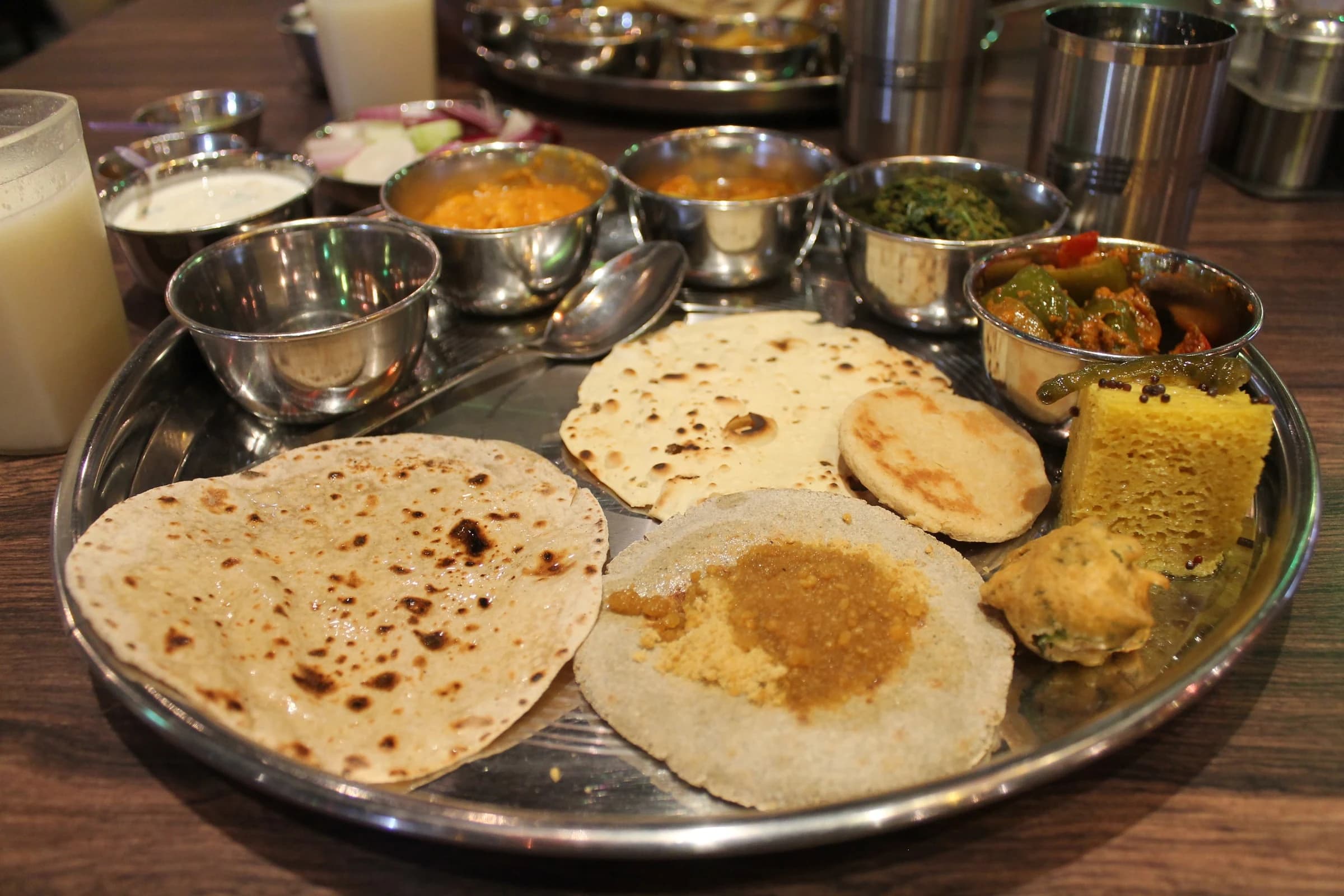
For decades in the late 20th century, Indian restaurants in Western capitals occupied an unfair, narrow cultural space: heavily Anglicised curry houses serving generic orange gravies, blistering chicken tikkas, and oversized naans to late-night pub patrons. Fine-dining guides like Michelin routinely bypassed the subcontinent’s cuisine, considering it either too aggressive in spicing or too reliant on wet, un-plated family-style stews.
The initial breakthrough arrived in London in 2001 when Zaika and Tamarind earned the first Michelin stars ever awarded to Indian restaurants. Yet it was the subsequent decade that ignited a genuine culinary renaissance. Visionary chefs began asking fundamental questions: Why shouldn’t Indian cuisine enjoy the same degree of course-by-course architectural progression, sommelier pairing, and ingredient provenance as French haute cuisine or Japanese kaiseki?
“Indian gastronomy has finally decoupled itself from colonial curry clichés, commanding two Michelin stars in Mayfair and global acclaim.”
From Gymkhana to Tresind Studio
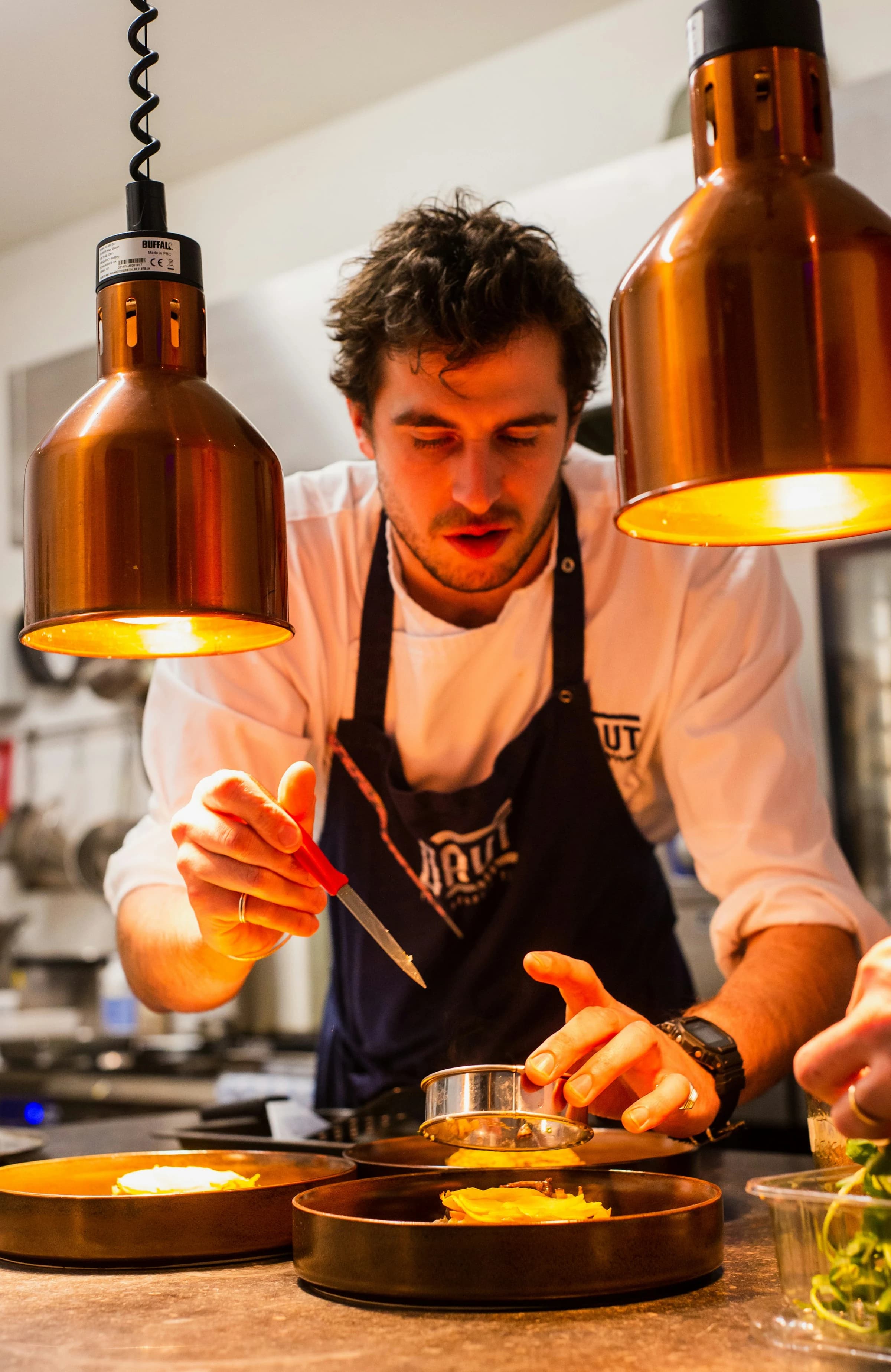
In London’s Mayfair, Gymkhana—inspired by the historic elite sporting and gentlemen’s clubs of colonial India—achieved a historic milestone in 2024 by being awarded two Michelin stars. Here, the kitchen deploys forensic technique: Muntjac biryani encased in delicate pastry, suckling pig vindaloo with Goan palm vinegar aged for twelve months, and game dishes that honour the hunting traditions of Rajasthan with surgical precision.
Simultaneously in Dubai, Himanshu Saini at Tresind Studio took modernist Indian cuisine into uncharted territory. Saini stripped away all extraneous theatrical smoke and liquid nitrogen in favour of pure flavour chemistry. By exploiting the scientific phenomenon of negative food pairing—the discovery that Indian dishes pair ingredients that share few flavour compounds, creating exhilarating aromatic contrast—his multi-course degustation weaves forgotten coastal ferments with Kashmiri cold-weather infusions.
The Return to Micro-Regional Terroir
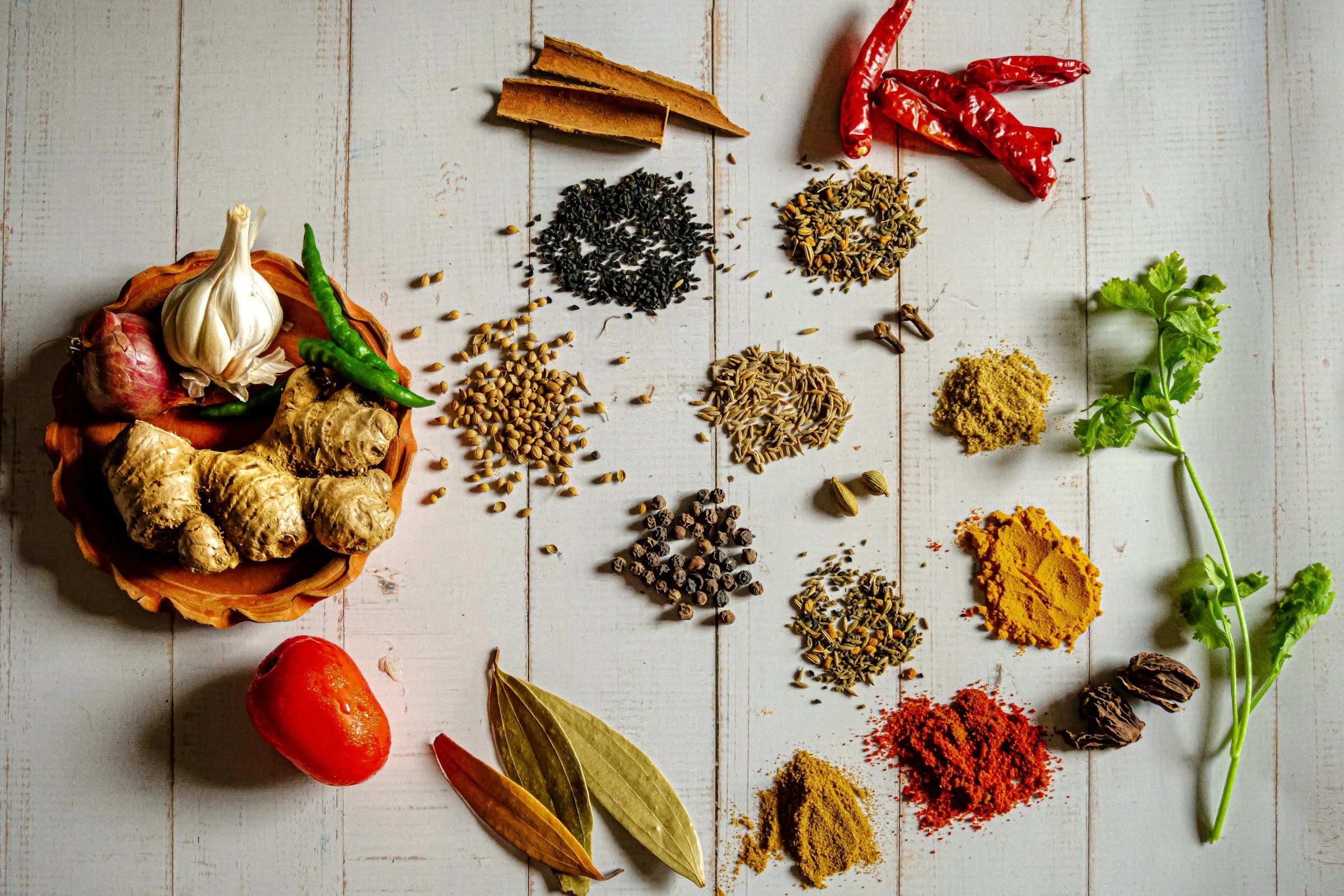
What distinguishes the current vanguard from early modernist experiments is its profound respect for regional origin. Today’s master chefs do not serve generic Indian food. They serve the indigenous fermented bamboos of Nagaland, the stone-pressed mustard oils of Bengal, the sour kokum rinds of coastal Konkan, and the wild morel mushrooms (gucchi) foraged from Himalayan pine forests.
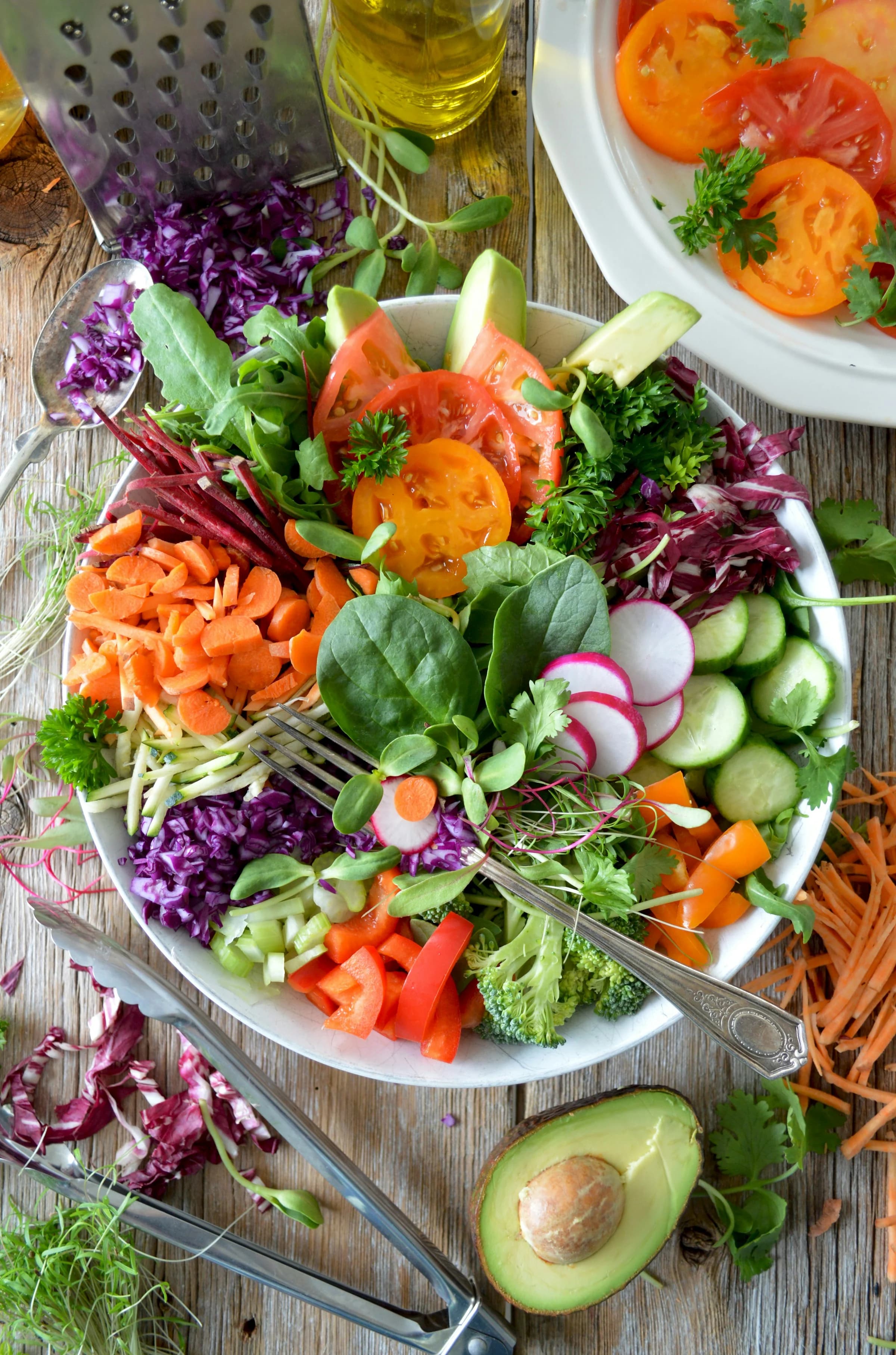
Plating has evolved from nostalgic pastiche into minimalist elegance. Instead of drowning plates in sauce, jus is clarified into crystalline consommés; spices are tempered with mathematical temperature control to extract floral top notes rather than bitter tannins; and heritage grains like millets, black rice, and red amaranth take center stage.
“By exploiting negative food pairing chemistry, modern Indian kitchens create exhilarating sensory contrasts that French cuisine never imagined.”
The Royal Gallerys Perspective
The ascent of modern Indian fine dining to the pinnacle of world gastronomy is not a temporary trend; it is the rightful restoration of one of humanity’s oldest culinary civilisations to its proper global standing. With intellectual rigor and visual brilliance, these chefs have proven that subcontinental flavours belong on the world’s most prestigious tasting menus.
THE ROYAL GALLERYS is the international magazine for heritage, culture and luxury — documenting the people, places and ideas shaping the worlds of royalty, jewellery, design, travel and contemporary life. Our editorial authority rests on deep engagement with India's cultural ecosystem and a commitment to telling the stories that matter.
For editorial inquiries, story proposals, and partnership discussions, contact our editors at hey.theroyalgallerys@gmail.com.
Kabir Mehra
Global Culinary Critic. THE ROYAL GALLERYS is the international magazine for heritage, culture and luxury — editorial authority on the people, places and ideas shaping our world.
Part of Dining
This article is part of THE ROYAL GALLERYS Dining section — our international editorial destination for dining, heritage and luxury.
Explore All Dining Stories →