Anna Maria Russell and the Creation of a Ritual
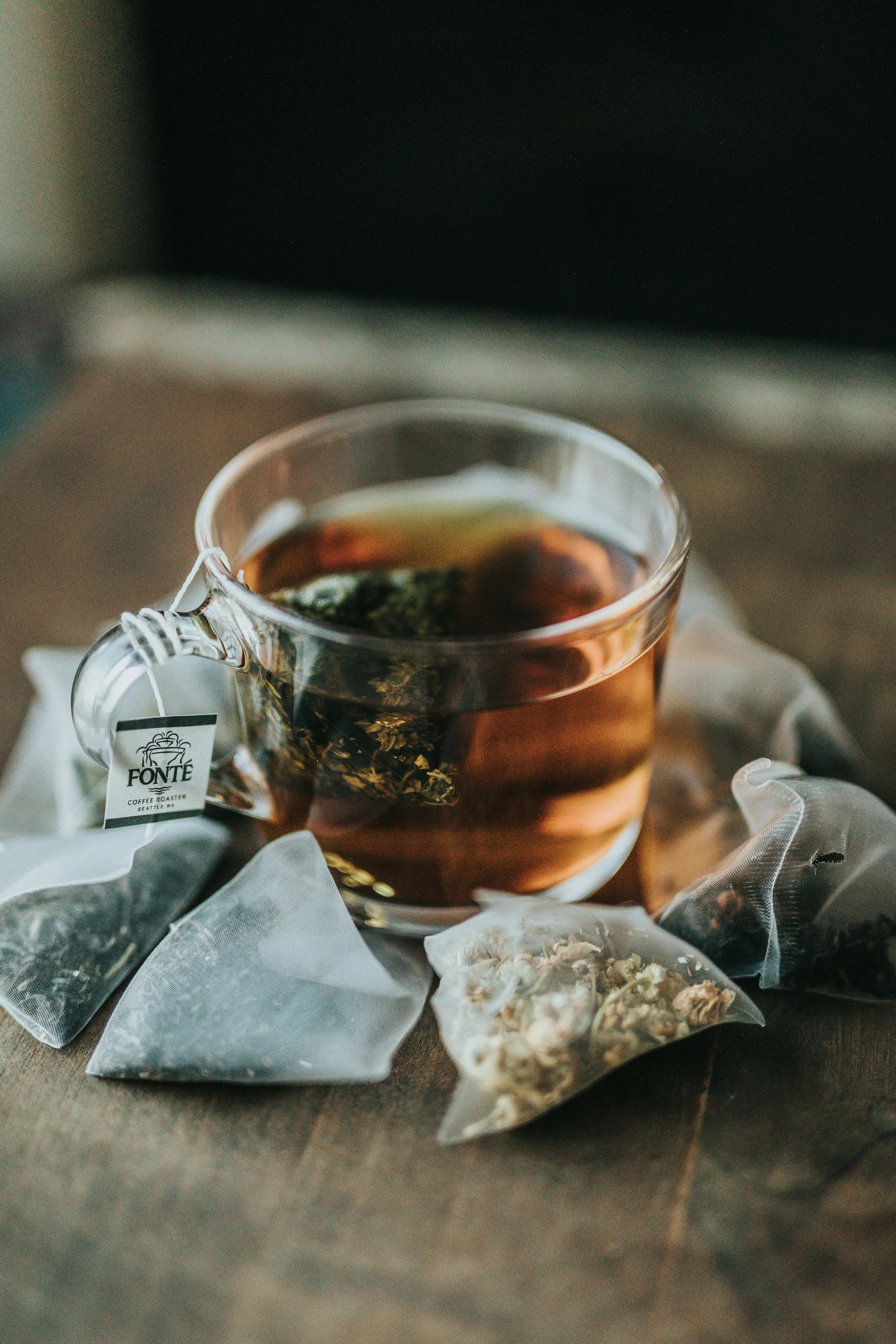
In 1840, Anna Maria Russell, the Duchess of Bedford and a lifelong confidante of Queen Victoria, complained of having that sinking feeling during the late afternoon. In aristocratic Victorian households, luncheon was served early and dinner rarely began before eight o’clock in the evening. The Duchess ordered tea, bread and butter, and small cakes to be brought privately to her dressing room at Woburn Abbey.
What began as a discreet personal indulgence quickly evolved into a fashionable social ritual. Within a decade, society hostesses across London were issuing printed invitation cards for At Homes—afternoon salons where tea from the newly planted gardens of Assam and Darjeeling was poured into delicate Worcester and Spode bone china, accompanied by paper-thin cucumber sandwiches and conversation.
“Instituted by the Duchess of Bedford to banish the afternoon sinking feeling, tea became Britain’s greatest social theater.”
The Palm Court, Edinburgh: No. 1 Princes Street
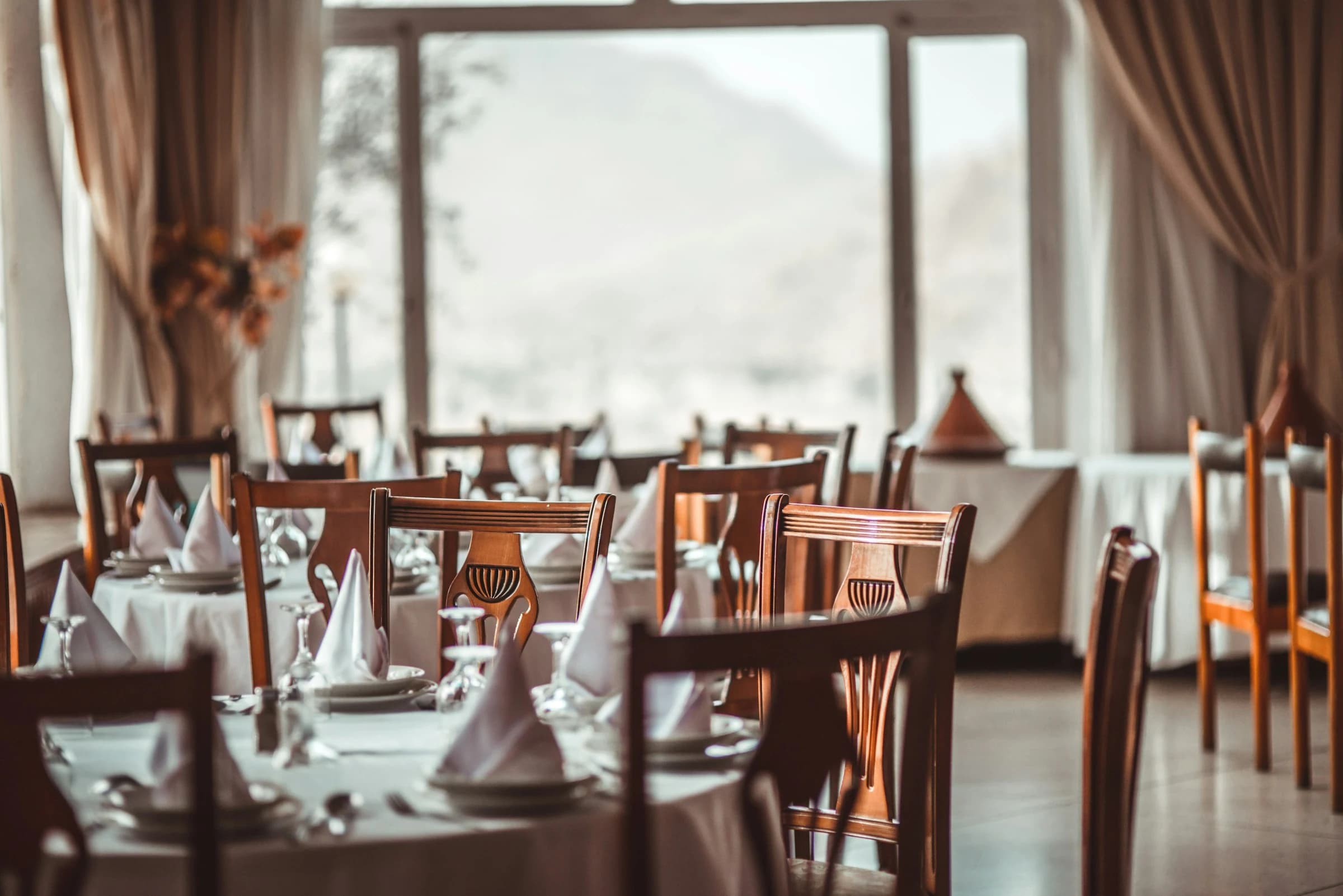
Few dining rooms in the United Kingdom capture the romantic grandeur of this ritual quite like The Palm Court at The Balmoral in Edinburgh. Set beneath a soaring frosted-glass dome and centered around a magnificent Venetian glass chandelier, the salon is surrounded by soaring Kentia palms, mirrored arches, and the gentle live acoustics of a resident harpist.
Here, afternoon tea is an unhurried ceremony of three distinct acts. The service begins with an amuse-bouche of smoked Scottish salmon or Tweed Valley game terrine, followed by a three-tiered silver stand bearing warm plain and golden raisin scones wrapped in pressed damask linen, accompanied by homemade Scottish raspberry preserve and rich clotted cream from Perthshire. The selection of whole-leaf teas—curated by an in-house tea sommelier—ranges from rare first-flush Darjeelings with floral muscatel notes to smoky Lapsang Souchong and The Balmoral’s signature Emperor’s Breakfast blend.
Claridge’s and The Ritz: The London Pinnacle
South of the border in Mayfair, the ritual assumes courtly theatricality. At Claridge’s, designed in exquisite 1930s Art Deco with jade and silver accents, afternoon tea has been served continuously for over 150 years. The finger sandwiches are architectural studies in precision: crustless, exactly finger-width, filled with poached chicken with tarragon or Burford Brown egg mayonnaise.
At The Ritz, the legendary Palm Court remains the only dining room in London where jacket and tie are still mandatory for gentlemen. Surrounded by gilded Louis XVI statues, marble urns, and bevelled mirrors, the experience is less a meal than an immersive step backward into Edwardian leisure.
“Beneath the frosted glass dome of The Balmoral, Perthshire clotted cream meets rare first-flush Darjeeling to the strains of a live harp.”
The Royal Gallerys Perspective
In an era characterized by hyper-speed and digital noise, afternoon tea is an essential cultural act of slow living. It demands presence, unhurried conversation, and appreciation for the subtle notes of mountain tea leaves and warm pastry.
THE ROYAL GALLERYS is the international magazine for heritage, culture and luxury — documenting the people, places and ideas shaping the worlds of royalty, jewellery, design, travel and contemporary life. Our editorial authority rests on deep engagement with India's cultural ecosystem and a commitment to telling the stories that matter.
For editorial inquiries, story proposals, and partnership discussions, contact our editors at hey.theroyalgallerys@gmail.com.
Alistair Campbell
British Heritage & Gastronomy Critic. THE ROYAL GALLERYS is the international magazine for heritage, culture and luxury — editorial authority on the people, places and ideas shaping our world.
Part of Dining
This article is part of THE ROYAL GALLERYS Dining section — our international editorial destination for dining, heritage and luxury.
Explore All Dining Stories →