Celebration and the Rhythm of Purchase
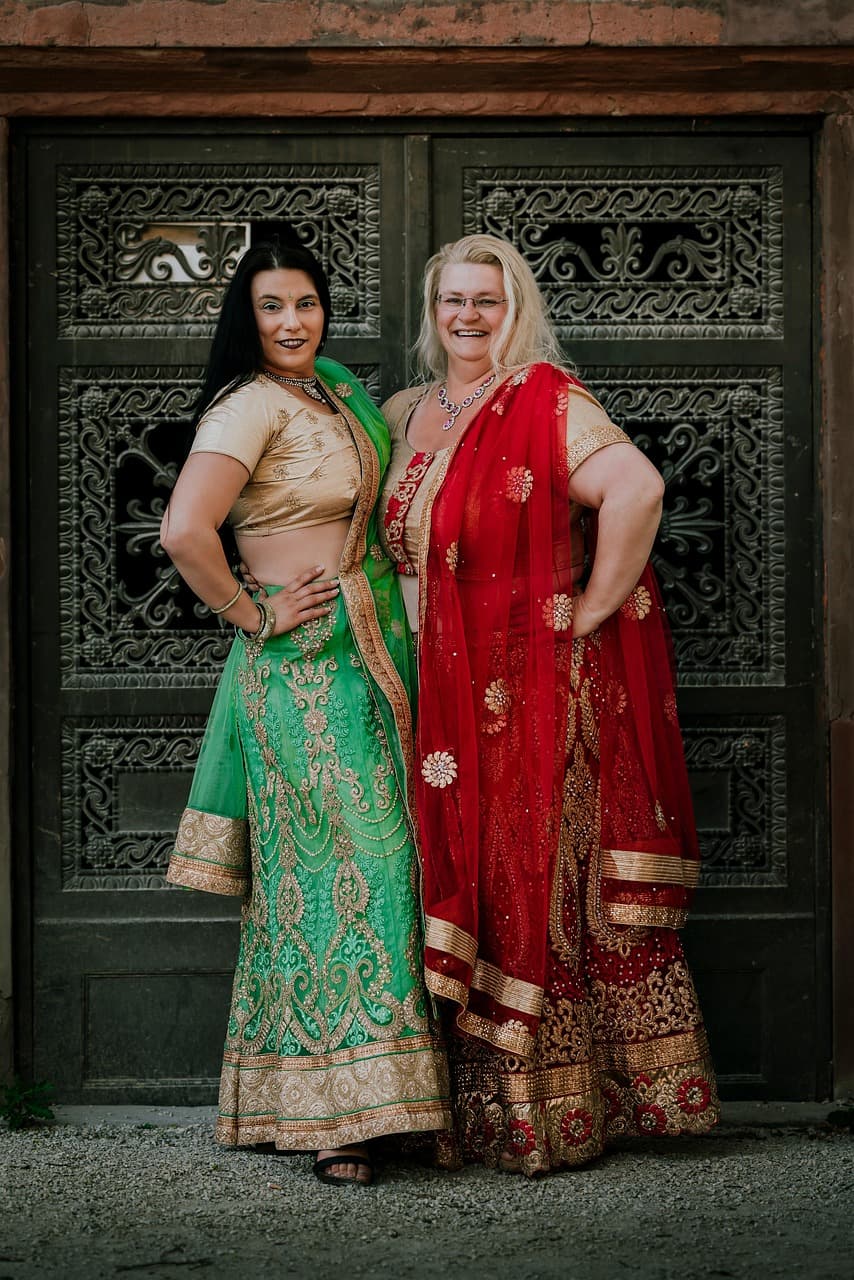
Luxury in India is, at its root, an expression of occasion. Where many Western markets have long treated luxury as the private, personal indulgence — the quiet reward one gives oneself — the Indian market has been shaped above all by celebration. Weddings, festivals, religious milestones and family ceremonies are the events around which significant spending gathers, and the consumer's sense of what is worth buying is inseparable from the calendar of communal life. Luxury is not purchased in isolation; it is purchased in preparation, in performance and in memory of moments that matter to a family.
This changes how value is understood. A purchase made for a wedding is not merely an object but a gesture performed before an audience of family and community. Jewellery, couture and hospitality are judged not only by intrinsic quality but by the honour they bring to the occasion and to the household that hosts it. The buyer is, in a real sense, acquiring meaning as much as material — an investment in belonging, continuity and standing, rather than a private statement of taste.
The practical consequence for brands is that timing and occasion rival product in importance. The Indian luxury calendar is punctuated by moments of concentrated intent, and the houses that read those rhythms — that speak to the wedding season, the festival cycle and the rites of passage — meet the consumer at the point of deepest engagement, rather than attempting to manufacture urgency where none naturally exists. Celebration is not an interruption of the market; it is the market's own heartbeat.
“Luxury in India is not a private indulgence; it is a shared act, performed for family and witnessed by community.”
Family and the Shared Decision
The defining feature of the Indian luxury purchase is that it is rarely a solitary act. In a market where family remains the central organising unit of life, decisions about significant expenditure are made collectively, negotiated across generations and measured against the expectations of parents, spouses and children. The consumer of record is often not the sole decision-maker but the point at which a family's values, ambitions and finances converge.
This multi-generational dimension shapes the nature of the sale itself. A young professional acquiring a first significant piece may be guided by an elder's knowledge of craft and heritage; a parent buying for a child's wedding may weigh family reputation alongside personal taste. The result is a process that is slower, more considered and more deeply contextual than the individualist model informing so much of Western luxury marketing. The decision is not a moment but a conversation that unfolds over time, and often across a dining table.
For brands the implication is direct: the message must speak to more than one generation at once. It must carry the authority that reassures an elder and the contemporary resonance that excites a younger buyer. The houses that thrive in India are those able to hold both registers simultaneously — honouring tradition without seeming dated, signalling modernity without seeming rootless. To speak to the Indian consumer is, in effect, to speak to a family, and to be understood by all its generations at once.
From Status to Taste
For much of the recent history of Indian luxury, the dominant motive was status — the acquisition of recognisable symbols that announced arrival. The logic was legible: a known name, a visible mark, an object whose value could be read at a glance by one's peers. This impulse remains a real force in the market, and it would be a mistake to dismiss it. But among the most discerning consumers it is no longer the only force, and in places it is quietly receding.
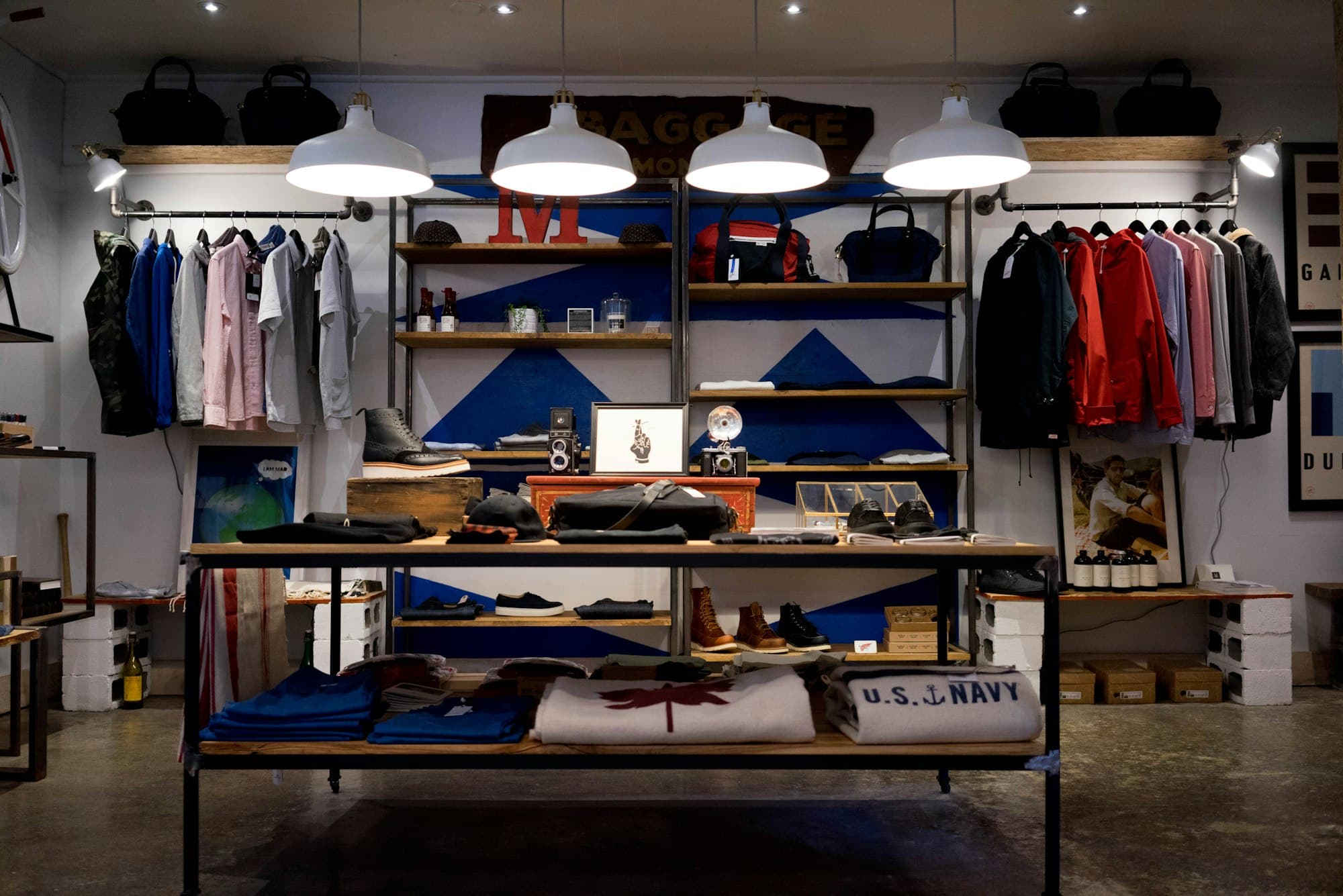
The shift underway is from buying to be seen toward buying to be understood. An affluent class now several decades into its prosperity is developing the confidence to value craft, provenance and quiet distinction over conspicuous display. The consumer who once prized the most recognisable watch is increasingly drawn to the one with the most interesting movement; the buyer who once measured a garment by its label now measures it by its cloth, its cut and its maker.
This is the maturation of a market, the point at which consumption becomes connoisseurship. It is visible across categories — in the rising appreciation of handloom and indigenous craft, in the growing seriousness of Indian collectors, and in a new willingness to reward the understated over the obvious. The change does not erase the appetite for status; it refines it. And in refining it, it quietly alters what the market chooses to reward, and whom it rewards for producing it.
“The Indian luxury consumer is moving from buying to be seen toward buying to be understood.”
The Aspirational and the Affluent
The Indian luxury market is often spoken of as a single entity, but it is more accurately a spectrum of aspiration. At one end sits the established affluent class — families whose wealth and taste have been formed over generations, for whom luxury is a matter of discernment rather than discovery. At the other sits a vast and growing aspirational class, whose rising means bring luxury within reach for the first time, and for whom a first significant purchase carries enormous symbolic weight.
These two groups buy differently, and the brands that serve them well do not treat them alike. The aspirational buyer seeks guidance, reassurance and the legitimacy of a known name; the established buyer seeks distinction, expertise and the quiet confidence of a name they can themselves vouch for. Both are valuable, both are growing, and both respond to different registers of storytelling — one to the promise of arrival, the other to the language of connoisseurship.
The wider context is well understood: India's affluent population has expanded steadily and continues to do so, deepening the pool of consumers at every tier of the market. Less often remarked is that aspiration itself functions as a kind of ladder, up which consumers move as means and confidence grow. The brands that secure loyalty at the aspirational rung are precisely those positioned to benefit as those consumers rise — a simple dynamic with far-reaching consequences for how luxury strategy in India should be built.

The Royal Gallerys Perspective
THE ROYAL GALLERYS exists to chronicle this consumer as they actually are — driven by celebration, anchored in family, and moving steadily from status toward taste. We believe that understanding the Indian luxury consumer demands more than figures; it demands attention to the values, relationships and cultural meanings that give every purchase its weight.
For brands and institutions seeking to speak to this consumer with authenticity, we offer an editorial environment built on that understanding — a publication where luxury is treated as a cultural subject rather than a transaction, and where the reader is addressed as a person of judgment. Those who wish to join that conversation are welcome to explore partnership at /advertise.
THE ROYAL GALLERYS is the international magazine for heritage, culture and luxury — documenting the people, places and ideas shaping the worlds of royalty, jewellery, design, travel and contemporary life. Our editorial authority rests on deep engagement with India's cultural ecosystem and a commitment to telling the stories that matter.
For editorial inquiries, story proposals, and partnership discussions, contact our editors at hey.theroyalgallerys@gmail.com.
The Royal Gallerys Editorial
Luxury Business Correspondent. THE ROYAL GALLERYS is the international magazine for heritage, culture and luxury — editorial authority on the people, places and ideas shaping our world.
Part of Business
This article is part of THE ROYAL GALLERYS Business section — our international editorial destination for business, heritage and luxury.
Explore All Business Stories →