The Story Is the Product
A luxury good is a meaning that happens to have a physical form. The watch, the garment, the hotel room — each is the material expression of a narrative, and the narrative is what justifies the price. This is why the world's great luxury houses invest so heavily in their origin stories, and why a brand without a credible narrative struggles to command premium pricing regardless of product quality.
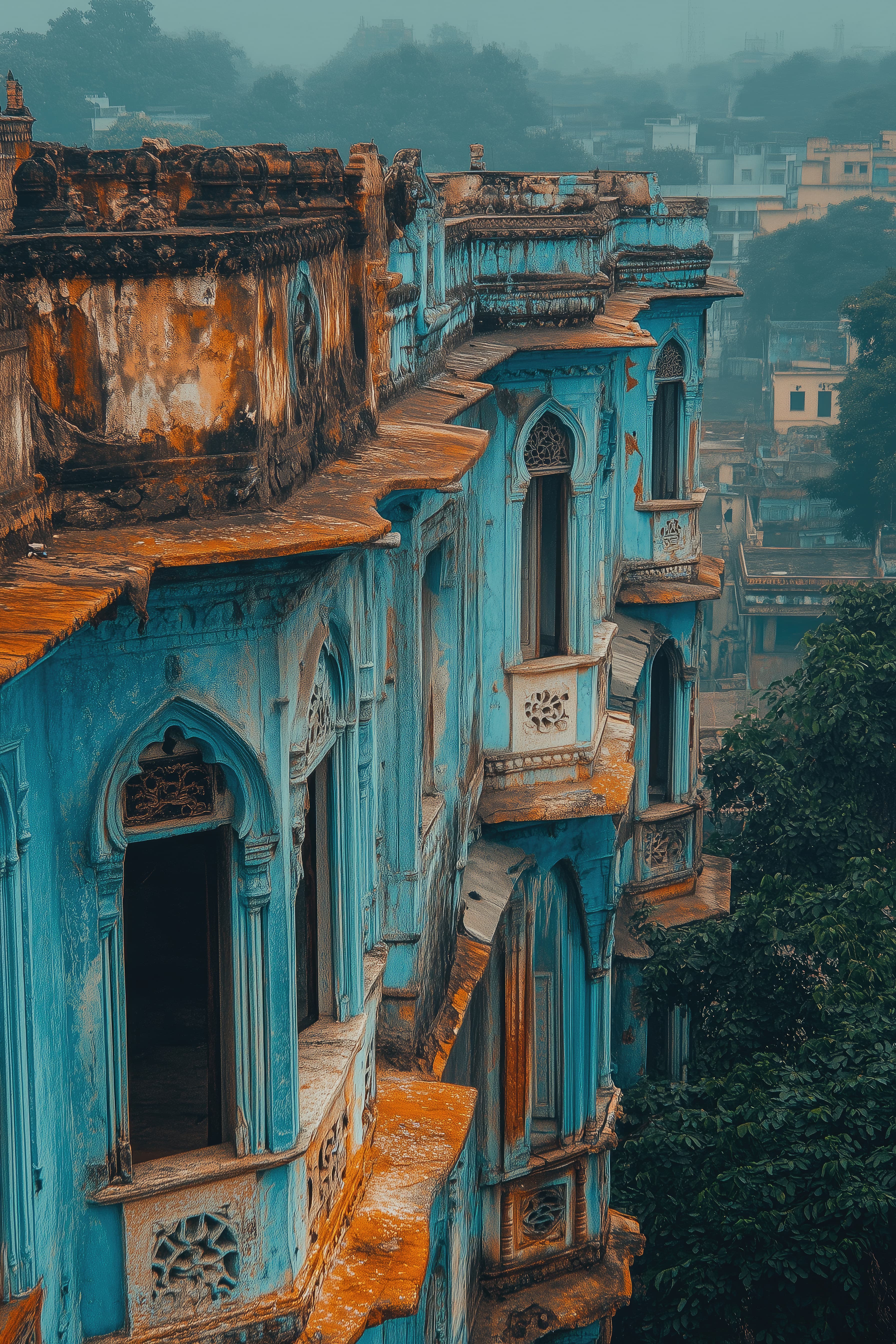
India offers luxury brands a storytelling resource of unmatched depth — craft traditions, royal heritage, cultural continuity and aesthetic distinctiveness. But depth is a double-edged asset: a story drawn from this well is either deeply credible or deeply damaging, with little ground between. The difference is authenticity.
The brands that succeed in India are those that tell stories grounded in genuine provenance — documented craft, verifiable heritage, real engagement with living traditions. The brands that fail are those that borrow the aesthetic of these stories without earning the right to tell them.
“A story that reaches a million people but convinces none is worth less than one that reaches a thousand and persuades them all.”
Credibility Over Exposure
The most common error in luxury brand storytelling is to optimise for exposure rather than credibility. A story that reaches a million people but convinces none is worth less than a story that reaches a thousand people and persuades them all. In the HNW segment, where the audience is small, sophisticated and influential, credibility is the only metric that matters.
Credibility is built through context. The same story, placed in an advertisement, is encountered as promotion and discounted. Placed in a credible editorial environment, it is encountered as information and trusted. This is the borrowed-credibility effect, and it is the mechanism by which storytelling converts.
For brands, the strategic implication is that the placement of the story is as important as the story itself. A compelling narrative in the wrong context is wasted; a credible narrative in the right context compounds.
The Royal Gallerys Perspective
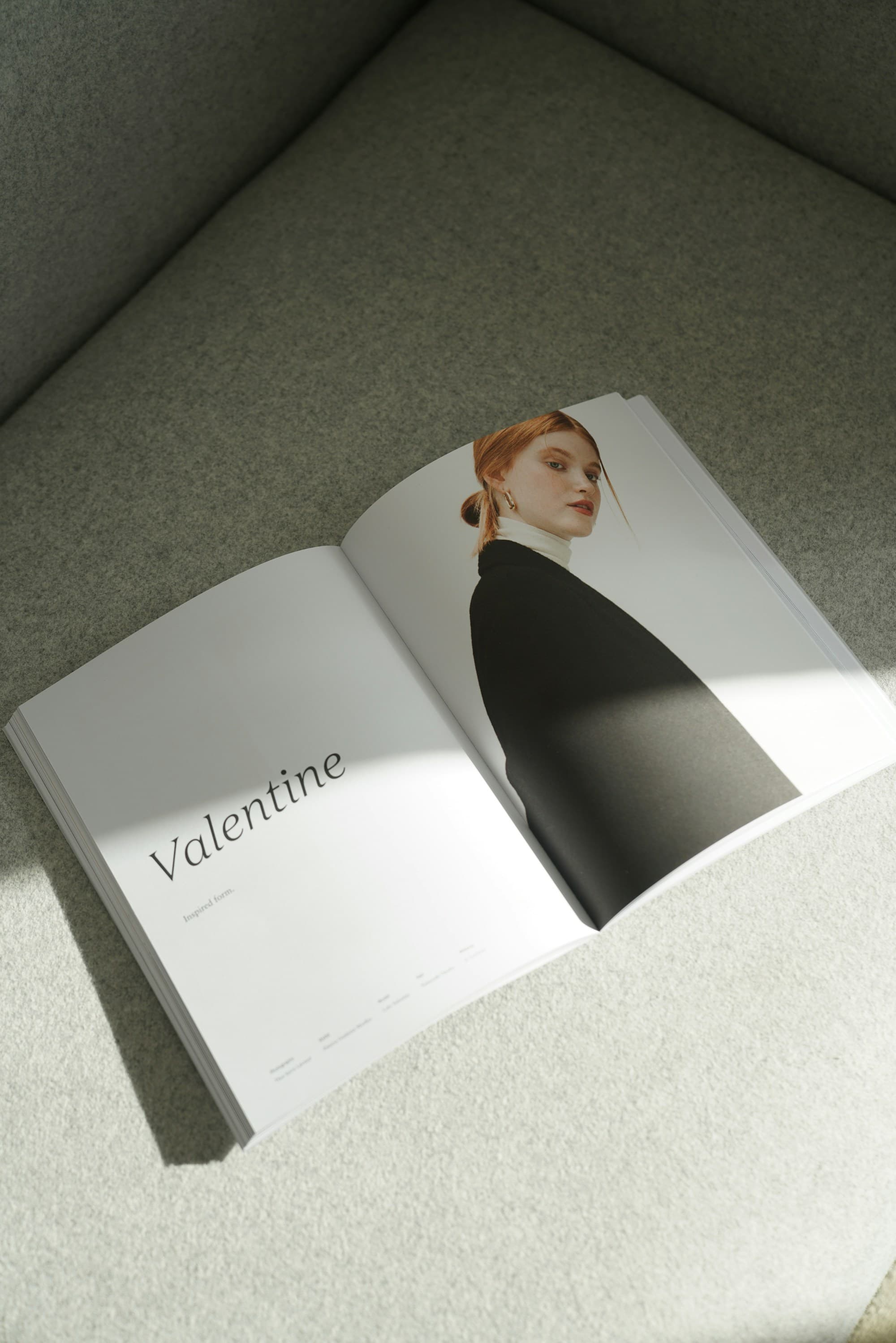
THE ROYAL GALLERYS exists to tell the stories of heritage, culture and luxury with the seriousness they deserve — and to place those stories before the audience that values them most. We believe the brands that will define the next era of Indian luxury are those that commit to sustained authority, grounded in genuine provenance and placed in credible editorial context.
The market is sophisticated enough to tell the difference. The brands that respect that sophistication — that tell true stories, in the right context, over time — are the brands that endure.
THE ROYAL GALLERYS is the international magazine for heritage, culture and luxury — documenting the people, places and ideas shaping the worlds of royalty, jewellery, design, travel and contemporary life. Our editorial authority rests on deep engagement with India's cultural ecosystem and a commitment to telling the stories that matter.
For editorial inquiries, story proposals, and partnership discussions, contact our editors at hey.theroyalgallerys@gmail.com.
The Royal Gallerys Editorial
Luxury Business Correspondent. THE ROYAL GALLERYS is the international magazine for heritage, culture and luxury — editorial authority on the people, places and ideas shaping our world.
Part of Business
This article is part of THE ROYAL GALLERYS Business section — our international editorial destination for business, heritage and luxury.
Explore All Business Stories →