The Craft Revival: Zardozi, Gota-Patti and Royal Embroidery
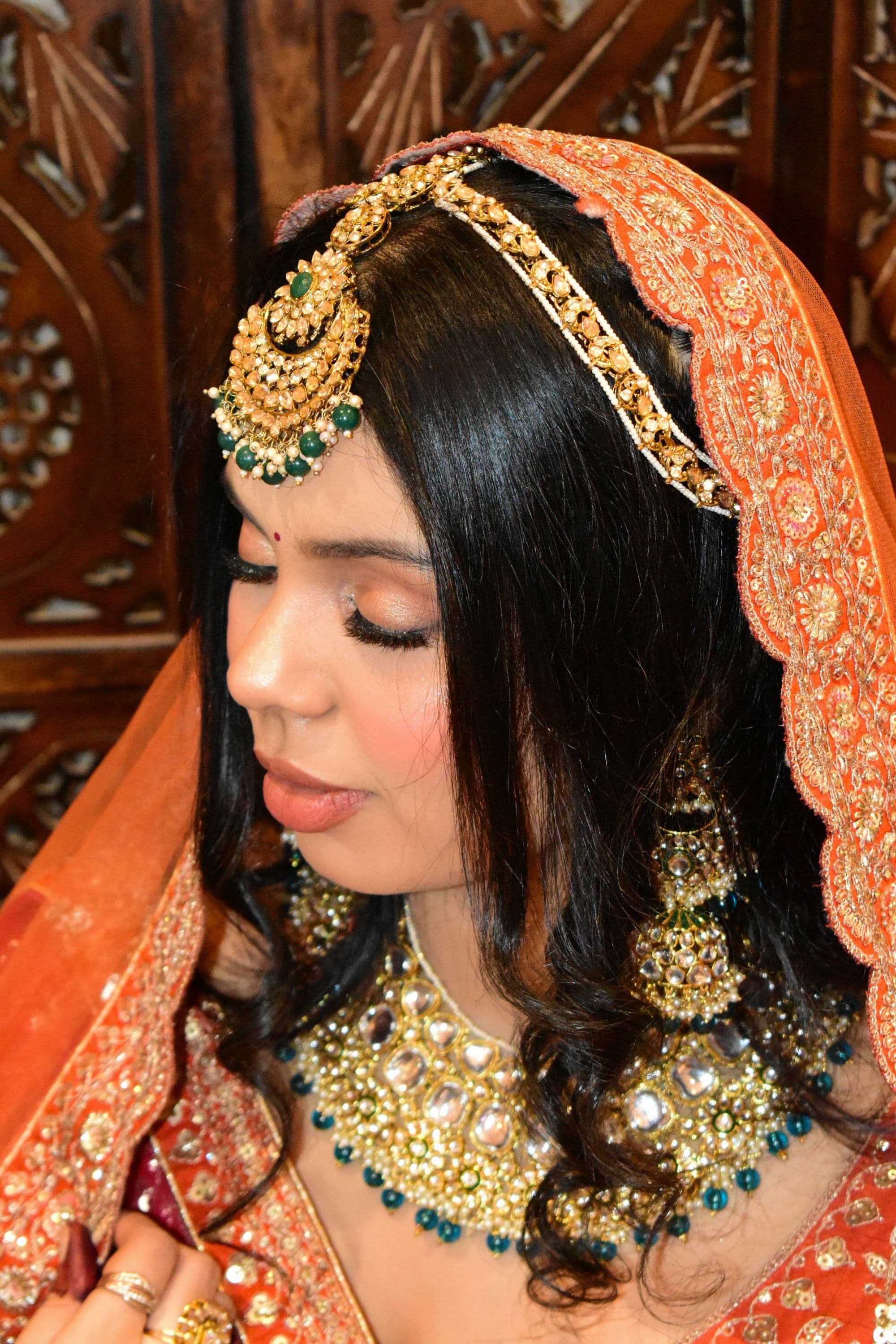
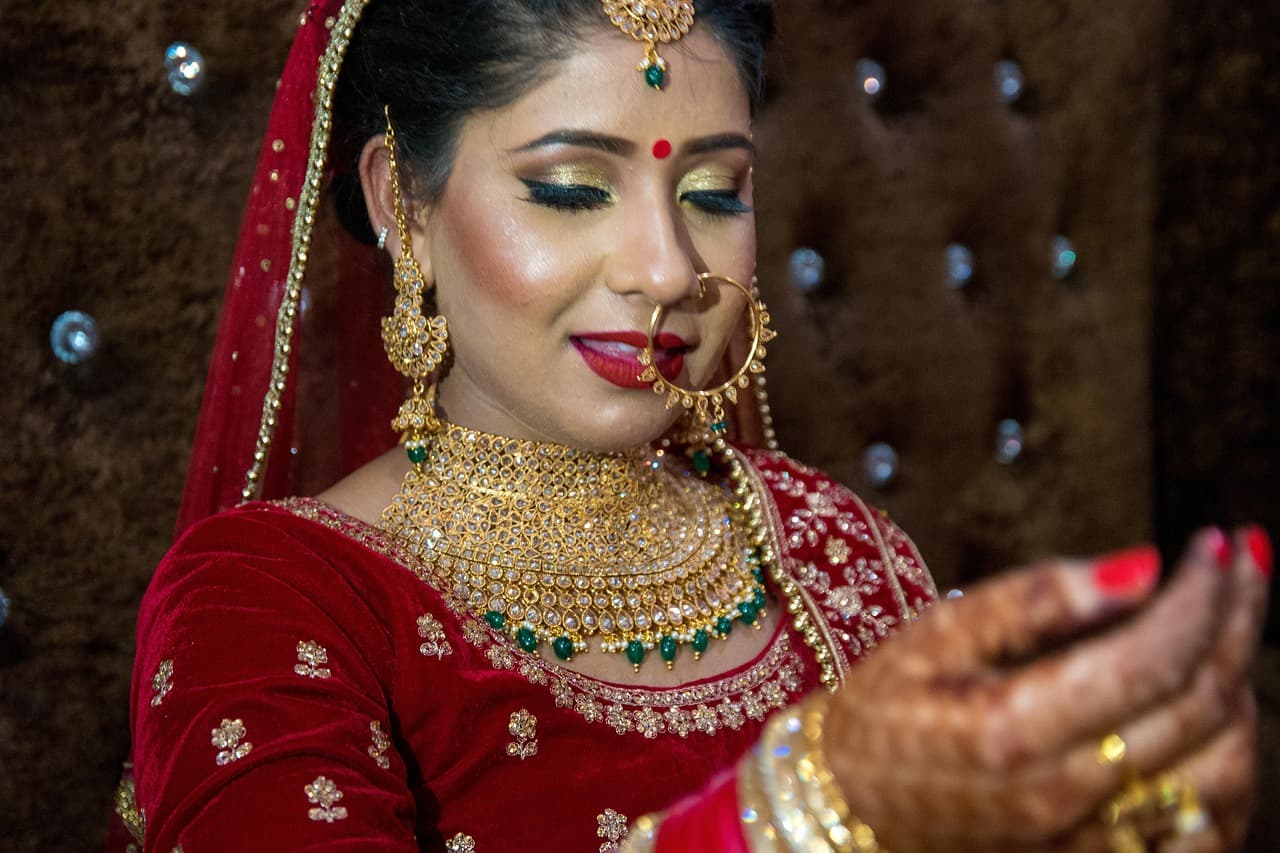
Contemporary Indian bridal couture stands on a foundation of craft that predates it by centuries. The techniques that now define the modern bridal trousseau — zardozi, the gold-and-silver thread embroidery once practised in the royal ateliers; gota-patti, the appliqué of metallic ribbon that originated in Rajasthan; and the dense hand embroideries of Lucknow, Kashmir and Bengal — are the legacy of court patronage, passed through generations of karigars whose skill is the true luxury of the category.
What has changed is not the craft but its visibility. For much of the recent past these techniques risked being sidelined by faster, cheaper imitation. A generation of designers and ateliers has worked to reverse that drift, commissioning original zardozi and gota-patti work and treating the embroidery as the point of the garment rather than its ornament.
The result is a bridal couture in which the craft itself is the signature — garments whose value lies in the hours of handwork they carry, in the lineage of the technique, and in the unmistakable depth that only genuine hand embroidery produces. This revival is the quiet engine of the entire category.
“The silhouette has lightened while the craft has deepened, and the two movements are in fact the same gesture.”
The Shift to the Modern Silhouette
Alongside the revival of craft has come a quiet reinvention of form. The bridal lehenga remains the centre of the Indian wedding wardrobe, but its proportions have evolved: lighter constructions, more fluid skirts, and a willingness to move beyond the heavily structured silhouettes of earlier generations.
This is not a rejection of tradition so much as a rebalancing of it. The contemporary bride often seeks a garment that carries the weight of heritage embroidery but sits on the body with modern ease — a lehenga that can carry through a long evening of ceremony and celebration without itself becoming a burden. The silhouette has lightened while the craft has deepened, and the two movements are in fact the same gesture: a couture that honours the past without being bound by its weight.
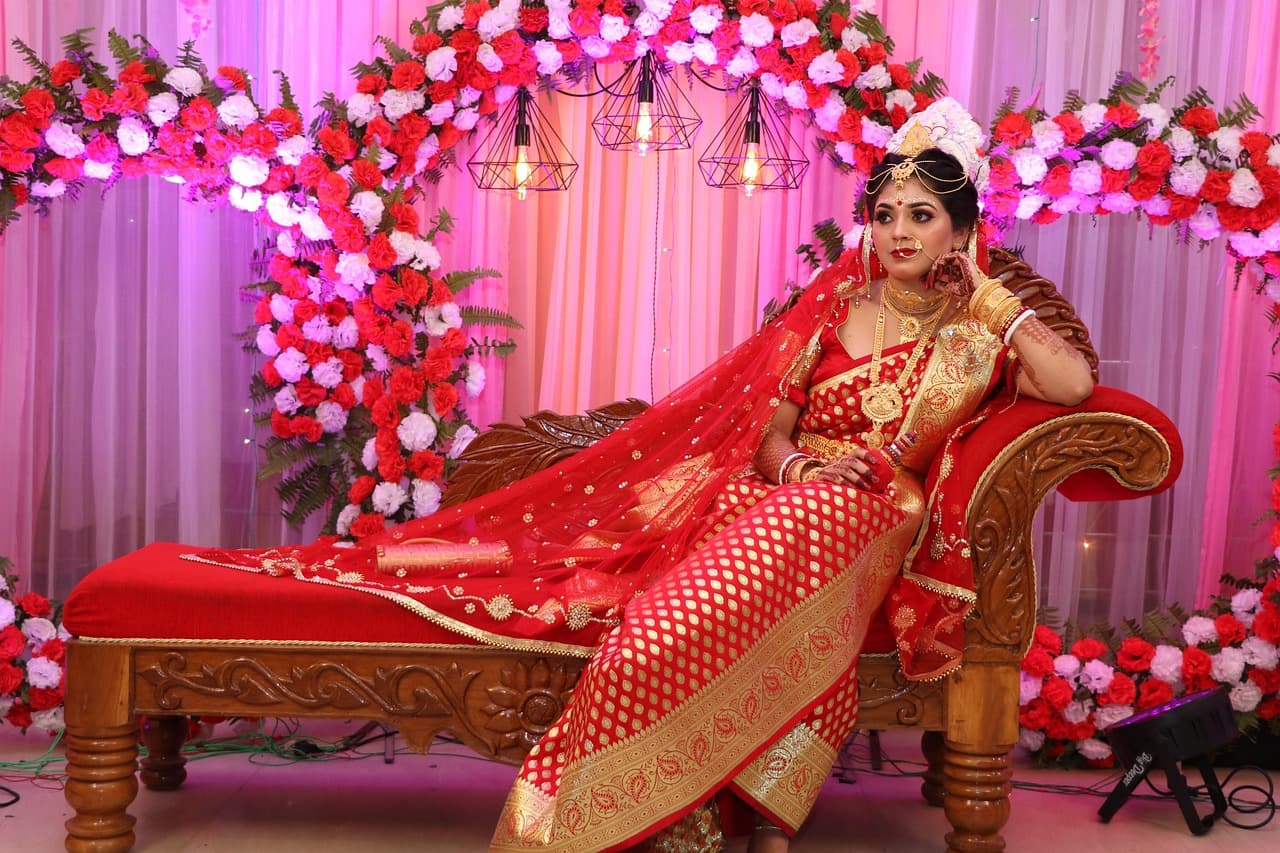
Alongside the lehenga, the modern bridal wardrobe has expanded to include draped sarees, structured gowns and tailored ensembles for the events that surround the ceremony. Each ceremony across the multi-day wedding now invites a distinct silhouette, and the bridal look has become a sequence rather than a single statement.
Heritage and Contemporaneity: The Balancing Act
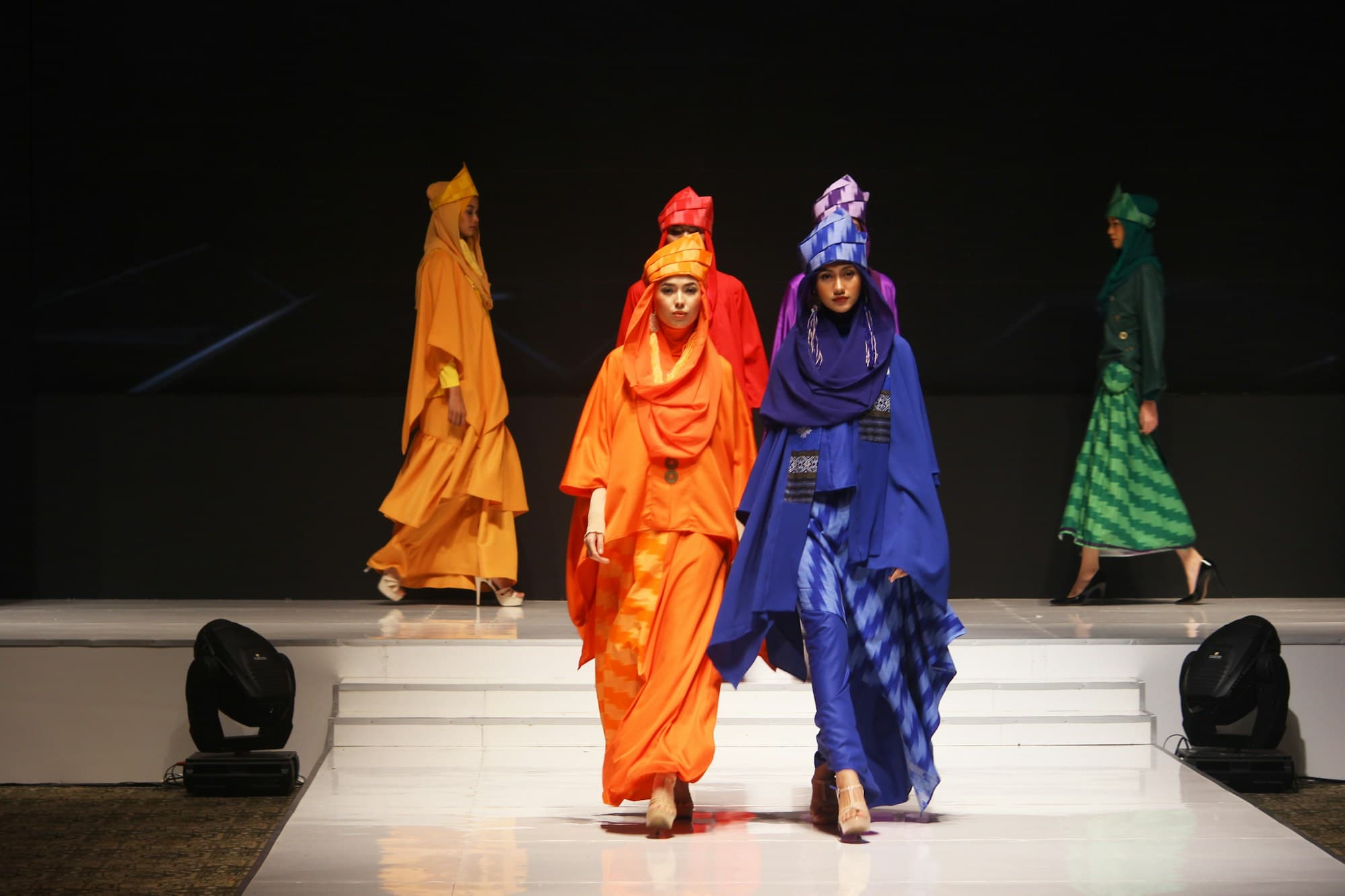
The defining tension of Indian bridal couture is the balance between heritage and contemporaneity — between the techniques of the royal atelier and the sensibility of a bride living in the present. The designers and houses that lead the category are those who hold both in the same hand.
This is harder than it sounds. Lean too far toward heritage and the garment becomes a costume, a museum piece rather than something to be lived in. Lean too far toward the contemporary and the craft that gives Indian couture its meaning is lost, and the garment could have been made anywhere. The most assured work occupies the narrow ground between: embroidery that is historically literate but drawn with a modern hand, silhouettes that are contemporary but shaped to flatter and to move, and colour that respects convention without being confined by it.
What results is a couture that could belong to no other country — recognisably Indian, unmistakably of its moment, and rooted in a craft whose continuity is its own quiet triumph.
“The craft itself is the signature — value lies in the hours of handwork, the lineage of the technique, and the depth only genuine hand embroidery produces.”
The Bridal Couture Client
The client for Indian bridal couture is distinctive in the world of luxury fashion. She is not assembling a wardrobe for a season but for a sequence of ceremonies, each with its own atmosphere, its own audience and its own requirements. Her purchases are among the most considered she will ever make, and she approaches them with a seriousness that reflects both their cost and their meaning.
The result is a client who is unusually knowledgeable. She understands the difference between hand embroidery and its imitation, between a garment cut for her and one altered to fit, and between a design that speaks to her and one that merely follows a trend. She values the ateliers that treat her as a collaborator in the making of something singular.
For the houses that serve her, this is both the opportunity and the discipline of the category. The bridal couture client rewards craft, authenticity and a genuine point of view, and she remembers — across a wedding that may run to a dozen events, and a wardrobe that must rise to each of them — exactly who delivered.
The Royal Gallerys Perspective
THE ROYAL GALLERYS covers Indian bridal couture as an expression of the country's deeper heritage — because the revival of zardozi, gota-patti and royal embroidery is not a fashion story alone but a story about craft, continuity and the meaning of luxury.
We write about the movement rather than the celebrity: the techniques, the ateliers, the shift in silhouette and the balance between heritage and contemporaneity that defines the category. For readers, our pages are an editorial guide to a couture whose value lies in what it carries. Brands and houses that wish to reach our audience may learn more at /advertise.
THE ROYAL GALLERYS is the international magazine for heritage, culture and luxury — documenting the people, places and ideas shaping the worlds of royalty, jewellery, design, travel and contemporary life. Our editorial authority rests on deep engagement with India's cultural ecosystem and a commitment to telling the stories that matter.
For editorial inquiries, story proposals, and partnership discussions, contact our editors at hey.theroyalgallerys@gmail.com.
The Royal Gallerys Editorial
Weddings & Luxury Correspondent. THE ROYAL GALLERYS is the international magazine for heritage, culture and luxury — editorial authority on the people, places and ideas shaping our world.
Part of Weddings
This article is part of THE ROYAL GALLERYS Weddings section — our international editorial destination for weddings, heritage and luxury.
Explore All Weddings Stories →