A Living Architecture: Palaces That Never Closed
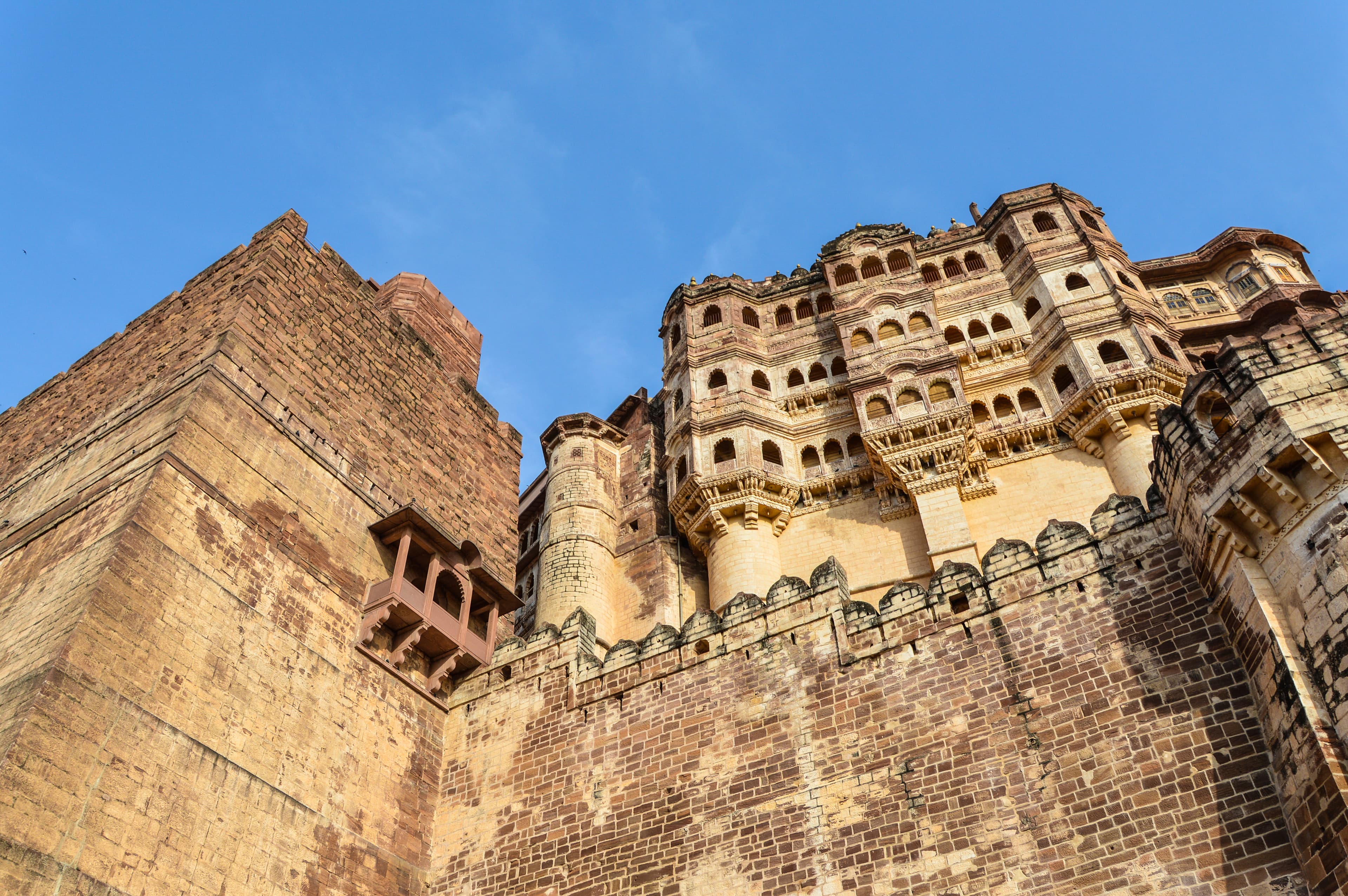
To visit India's great palaces is to encounter a category of building that exists almost nowhere else in the world. A European castle is a ruin or a museum; an Indian royal palace is often still a home. Across Rajasthan and the Deccan, palaces raised for kings and their courts continue to function — as residences for the families that built them, as hotels that welcome paying guests, and as institutions where ceremony, craft and daily life have never fully stopped.
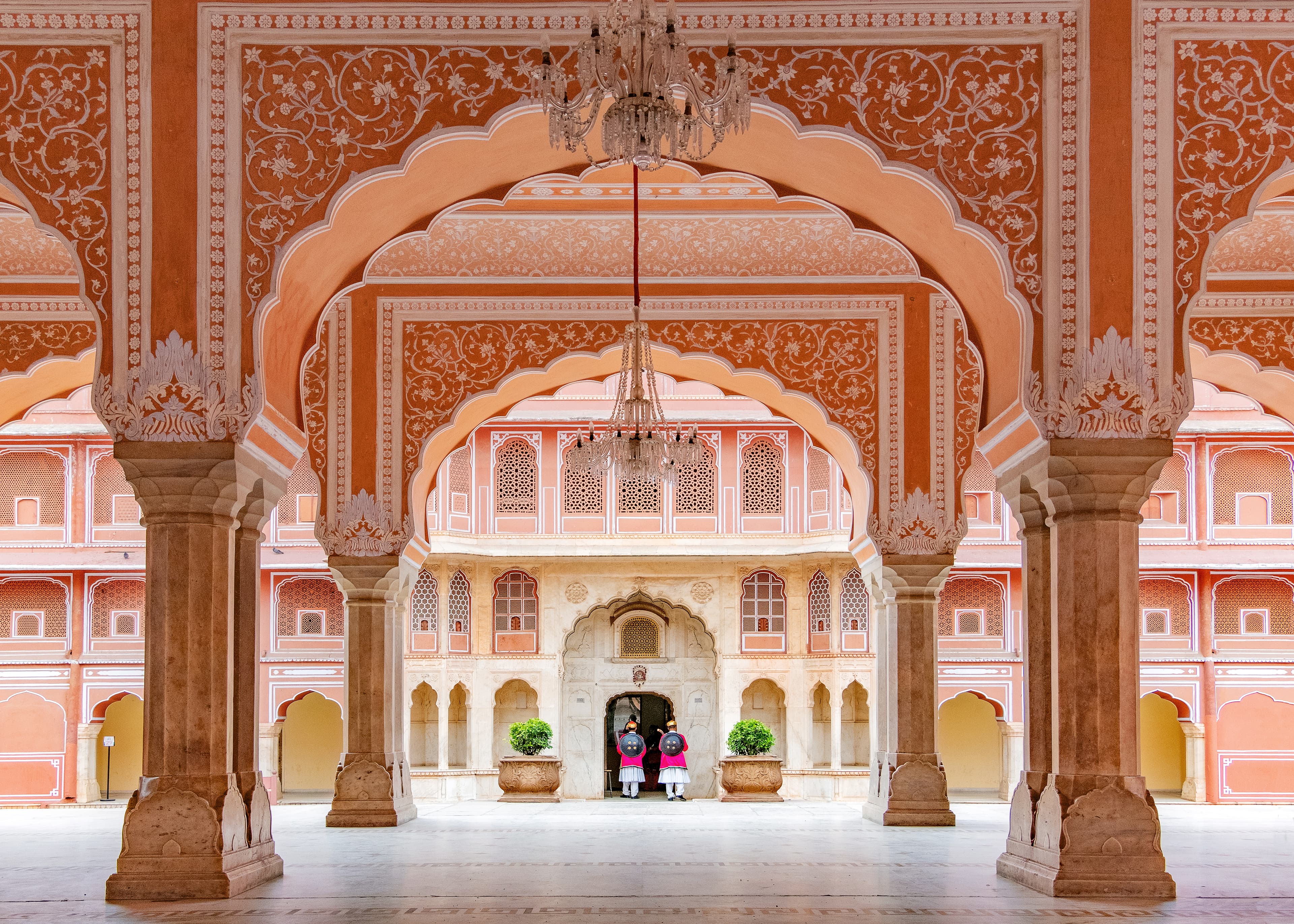
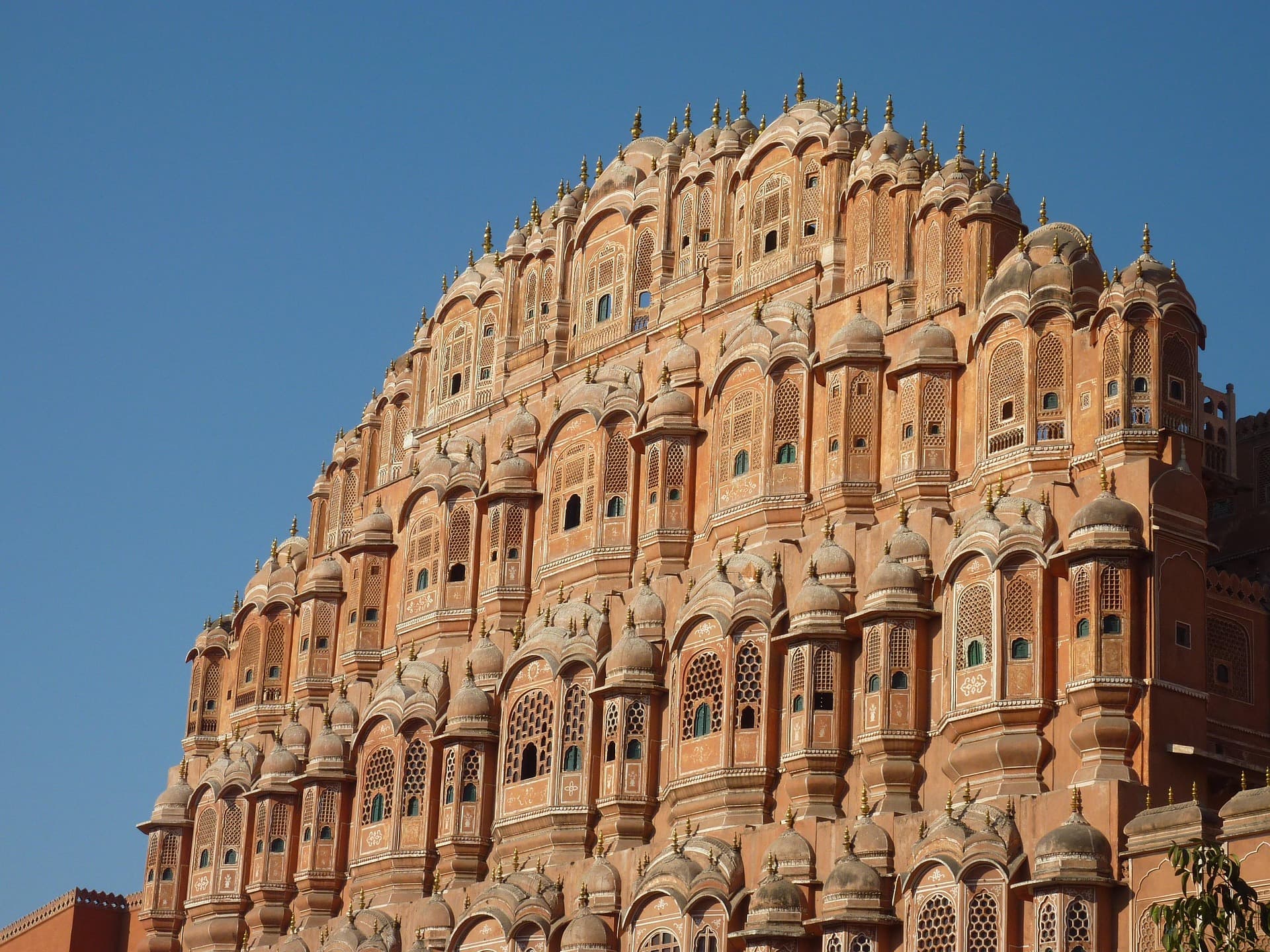
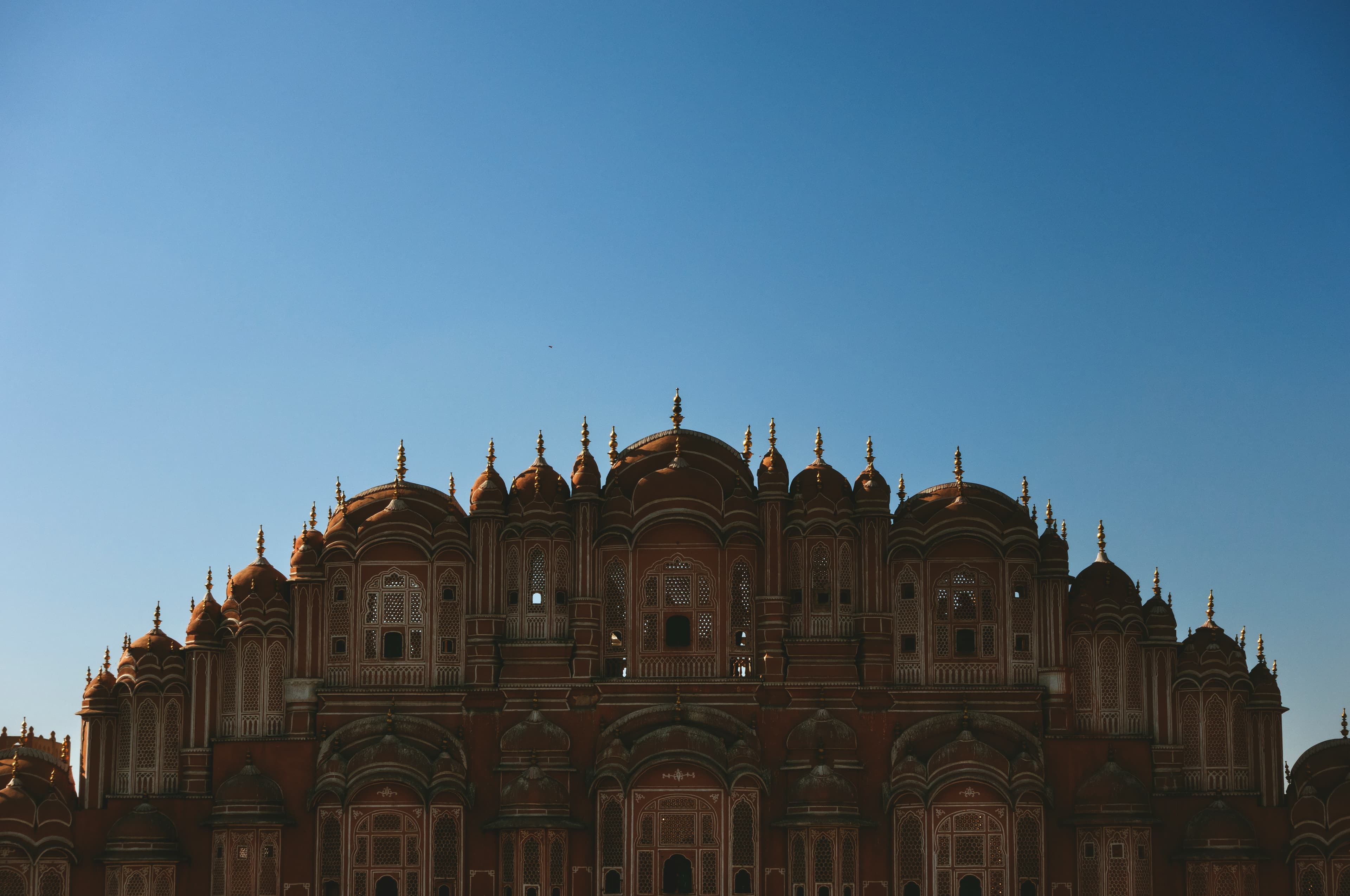
The distinction matters to the traveller. When one walks the courtyards of the City Palace in Udaipur or the halls of Umaid Bhawan in Jodhpur, one is not inspecting a historical reconstruction but stepping into a continuity. Jaipur itself was founded in 1727 by Maharaja Sawai Jai Singh II, and its palace architecture still bears the stamp of that founding vision: a city planned as a seat of power rather than a backdrop for it.
This guide is concerned less with dates than with experience — with what makes each palace distinct, how it can be approached, and why these buildings remain among the most rewarding destinations in the luxury travel world.
“A European castle is a ruin or a museum; an Indian royal palace is often still a home.”
Six Palaces, Six Distinct Histories
Each of India's celebrated palaces tells a different story, and the traveller who understands the difference sees them properly. Umaid Bhawan in Jodhpur is among the largest private residences in the world, an art-deco landmark raised in the twentieth century under Maharaja Umaid Singh that today divides its life between a royal household, a museum and a hotel — three functions under one vast roof.
The City Palace of Udaipur is the seat of the Mewar dynasty, a compound of courtyards, gardens and lakeside terraces built and embellished over centuries, and the most complete statement of Rajput court architecture still inhabited by the line that commissioned it. Rambagh Palace in Jaipur, once the residence of Maharaja Sawai Man Singh II and Maharani Gayatri Devi, is remembered as much for its gardens and hospitality as for its walls.
Further afield, Falaknuma Palace in Hyderabad was built by a noble of the Paigah family and later passed to the Nizam; Lalgarh Palace in Bikaner was raised by Maharaja Ganga Singh in the early twentieth century; and Neemrana, a fifteenth-century fort-palace between Delhi and Jaipur, became the pioneer of the heritage-hotel movement. Six buildings, six genealogies of taste.
How to Experience Them: Beyond the Guided Tour
The measure of a palace visit is not how many rooms one has been shown but how much of the palace one has actually lived. Where it is possible, stay. A night in a converted royal residence — a suite that was once a guest wing, a breakfast taken on a terrace overlooking a lake — gives access to a rhythm the day visitor never touches: the quiet of the courtyards after the gates close, the staff who have served the house for generations, the sense of a building still breathing.
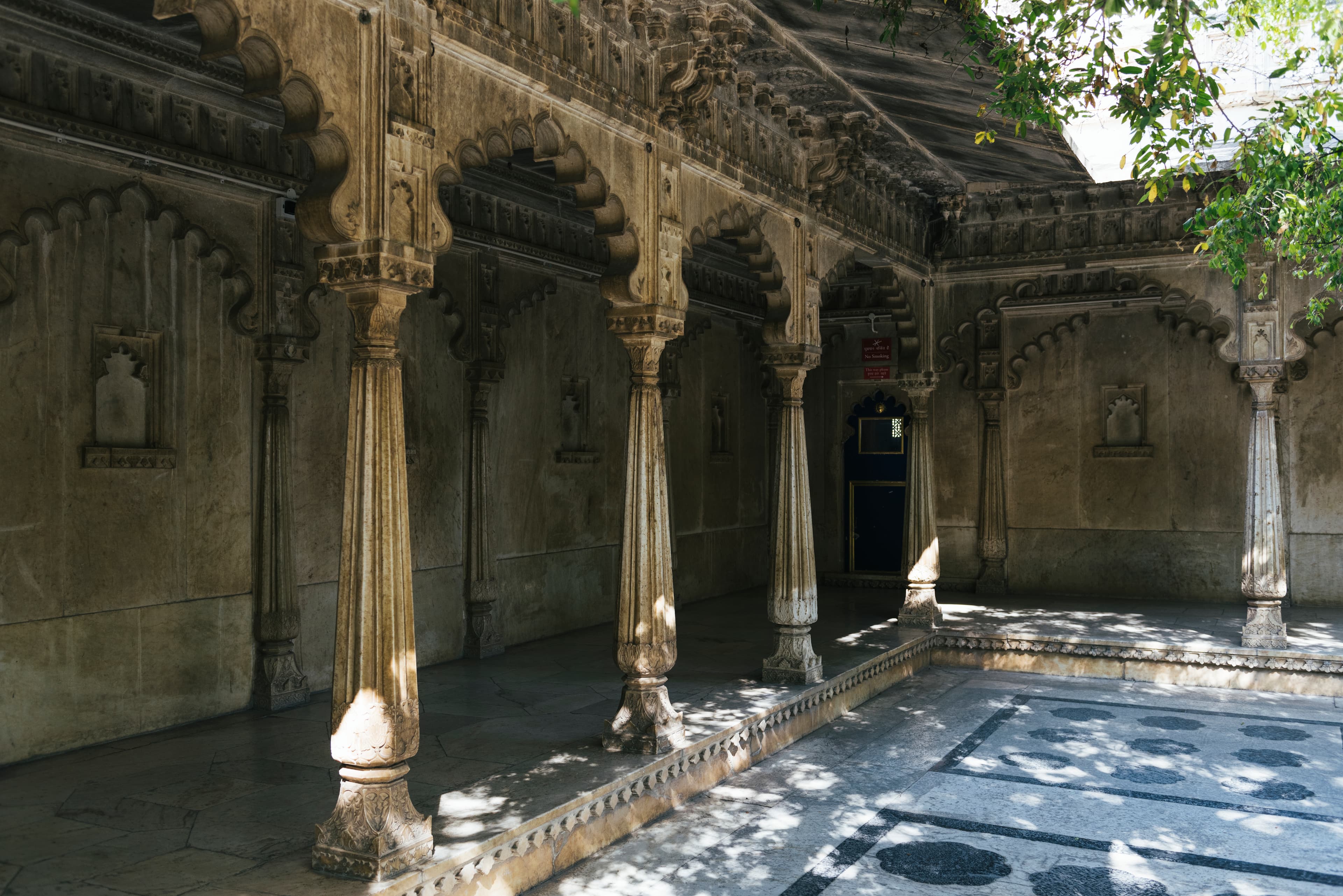
Where staying is not possible, time is the substitute. Visit slowly. The great palaces reward the visitor who reads the detail — the jali screens of the City Palace, the frescoes of a Bikaner courtyard, the tile work of a Hyderabadi hall. These were not decorative afterthoughts; they were the visual language of a court that used architecture to announce lineage, taste and power.
It is also worth seeking out the living elements rather than only the historical ones: a puja performed in a palace temple, a craft demonstration in a restored wing, a dinner in a dining room that has served the same table for a century. These are not attractions; they are the reasons the palace endures.
“It is not a themed resort imitating a palace; it is a palace that has learned to receive guests.”
Why They Remain Living Institutions
The question a visitor naturally asks — why have these palaces not become museums — has an instructive answer. After independence and the end of the princely states, many royal families faced a stark choice: abandon the palaces to decay, or convert them into self-sustaining institutions. The families that survived chose the latter, turning residences into hotels, opening museums, and entering hospitality partnerships that preserved the buildings while keeping them occupied.
This is why the Indian palace hotel is a category without parallel. It is not a themed resort imitating a palace; it is a palace that has learned to receive guests. The occupancy is not a performance of heritage but the actual continuation of a courtly tradition of hospitality, in which hosting was itself a royal duty.
The result is that India's palaces are better preserved than almost any comparable heritage stock in the world, precisely because they remain in use. A building that must serve breakfast for two hundred guests cannot be allowed to crumble. Occupation, in other words, is a form of conservation — and it is the reason these places feel alive rather than embalmed.
The Royal Gallerys Perspective
THE ROYAL GALLERYS regards India's palaces not as backdrops for tourism but as the physical record of the country's most enduring luxury culture. Every courtyard, fresco and jali screen encodes a decision about taste, lineage and power that still resonates in the contemporary luxury market.
For the traveller, the palaces offer something a five-star resort cannot: the unbroken presence of a living institution. For the brands, hosts and institutions that shape the luxury economy, they are a reminder that genuine heritage is occupied, maintained and alive — not curated behind glass. We write about these places to document them properly, and we offer the platform that connects their custodians with an international readership that values them. To understand how your story belongs in that conversation, visit our advertising page at /advertise.
THE ROYAL GALLERYS is the international magazine for heritage, culture and luxury — documenting the people, places and ideas shaping the worlds of royalty, jewellery, design, travel and contemporary life. Our editorial authority rests on deep engagement with India's cultural ecosystem and a commitment to telling the stories that matter.
For editorial inquiries, story proposals, and partnership discussions, contact our editors at hey.theroyalgallerys@gmail.com.
The Royal Gallerys Editorial
Heritage & Luxury Correspondent. THE ROYAL GALLERYS is the international magazine for heritage, culture and luxury — editorial authority on the people, places and ideas shaping our world.
Part of Royalty
This article is part of THE ROYAL GALLERYS Royalty section — our international editorial destination for royalty, heritage and luxury.
Explore All Royalty Stories →