Foundations in 1735: From George Wickes to Royal Patronage
To trace the history of Garrard is to walk parallel with the evolution of the modern British state. The house trace its lineage to 1735, when master goldsmith George Wickes registered his mark at Goldsmiths' Hall and established a workshop in Panton Street, London.
Wickes quickly captured the patronage of the Hanoverian court, receiving his first royal appointment from Frederick, Prince of Wales, in 1735. Over the ensuing century, under the stewardship of Robert Garrard and his sons, the firm expanded into the foremost goldsmith and silversmith in the British Empire, creating monumental ceremonial dinner services, sporting trophies including the America’s Cup in 1848, and regalia for aristocratic coronations.
“Garrard was charged not merely with crafting personal royal jewels, but with maintaining the sacred Crown Jewels of the United Kingdom.”
Queen Victoria and the Creation of the Crown Jeweller
In 1843, Queen Victoria took an unprecedented formal step: she appointed Garrard as the first official Crown Jeweller to the British Monarchy. This royal warrant carried an immense responsibility. Garrard was charged not only with crafting personal gifts for the sovereign and her sprawling continental family, but with maintaining, cleaning, adjusting, and securing the Crown Jewels of the United Kingdom housed in the Tower of London.
Among Garrard’s most iconic creations for Victoria was her Small Diamond Crown (1870). Measuring just nine centimetres in diameter and set with 1,187 brilliant-cut diamonds, it was devised so the widowed monarch could wear a crown atop her mourning veil while opening Parliament, providing an instantly recognizable silhouette of imperial authority.
Masterwork of 1937: Remaking the Imperial State Crown
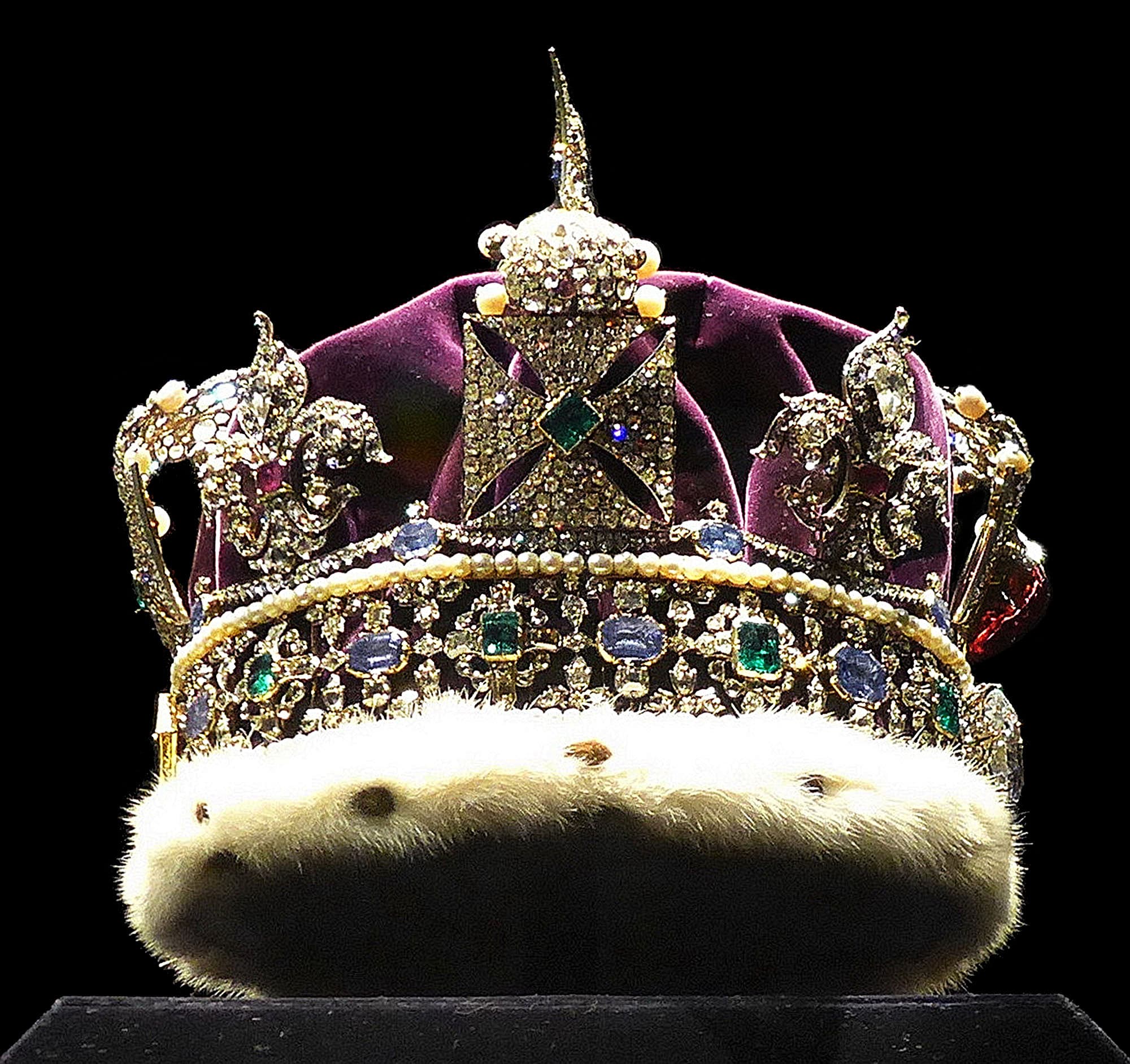
Garrard's supreme technical achievement was the complete reconstruction of the Imperial State Crown for the 1937 coronation of King George VI. The previous crown, made by Rundell, Bridge & Rundell for Queen Victoria in 1838, had grown structurally fragile and painfully heavy.
Garrard’s master craftsmen dismantled the crown and fabricated a newly proportioned frame in silver and platinum, incorporating the most historically significant gemstones in the realm:
- The Cullinan II diamond (317.4 carats), the 'Second Star of Africa', positioned prominently in the front band. - The Black Prince's Ruby, a legendary 170-carat uncut balas ruby (spinel) worn by Henry V at the Battle of Agincourt in 1415. - The St Edward's Sapphire, set in the topmost cross pattée, believed to have originated in the 1042 coronation ring of Edward the Confessor. - Queen Elizabeth I’s pearl drop earrings, suspended beneath the monde.
Totaling 2,868 diamonds, 269 pearls, 17 sapphires, 11 emeralds, and 4 rubies, the 1937 Imperial State Crown weighed a streamlined 1.06 kilograms, achieving an ideal balance of sculptural majesty and mechanical stability that served both King George VI and Queen Elizabeth II throughout their reigns.
“The 1937 Imperial State Crown achieved the impossible: balancing 2,868 diamonds and historic medieval gems on a streamlined platinum-silver frame weighing just one kilogram.”
Heirlooms of the House: Lover’s Knot, Fringe, and Sapphire
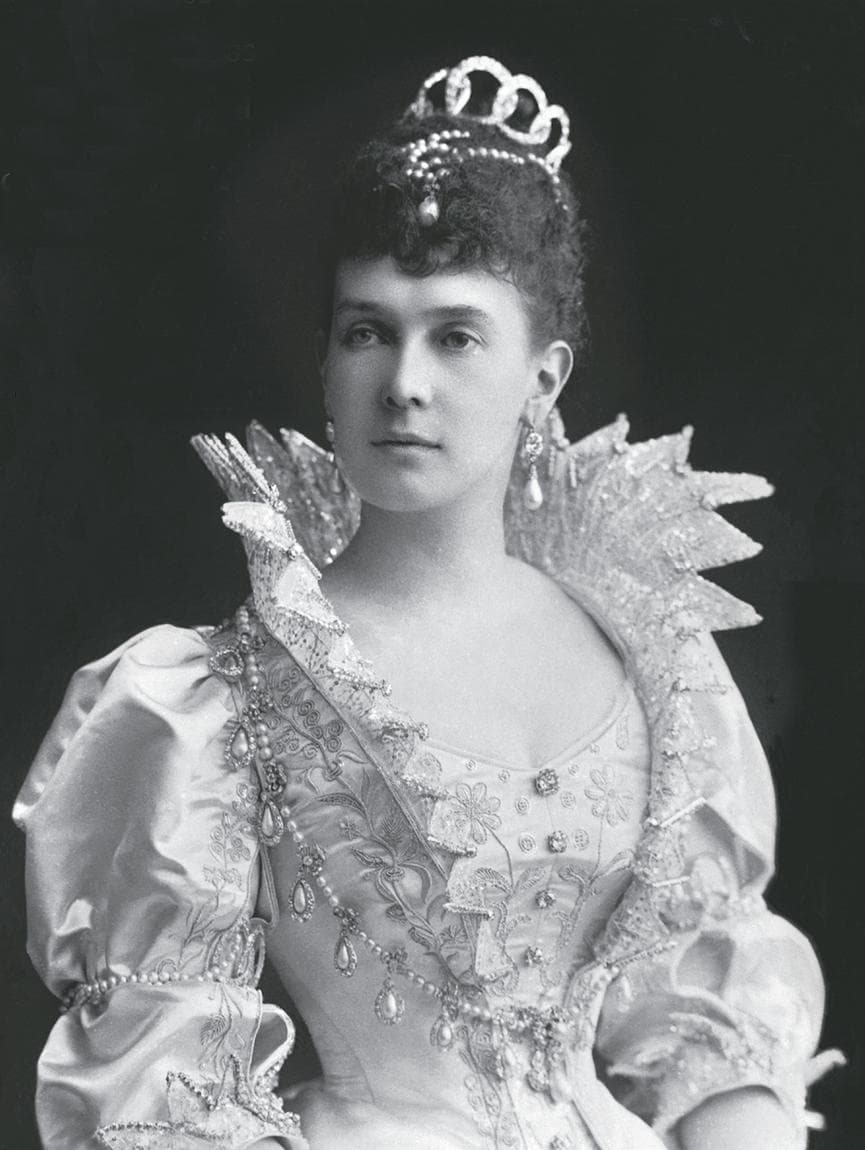
Beyond the Tower of London, Garrard's benchcraft created the core of the Royal Family’s personal jewellery collection. In 1913, Queen Mary commissioned Garrard to recreate the diadem worn by her grandmother, the Duchess of Cambridge, resulting in Queen Mary’s Lover's Knot Tiara — with its diamond lovers’ knots and swinging pearl drops, later famously immortalized by Diana, Princess of Wales, and today worn by the Princess of Wales.
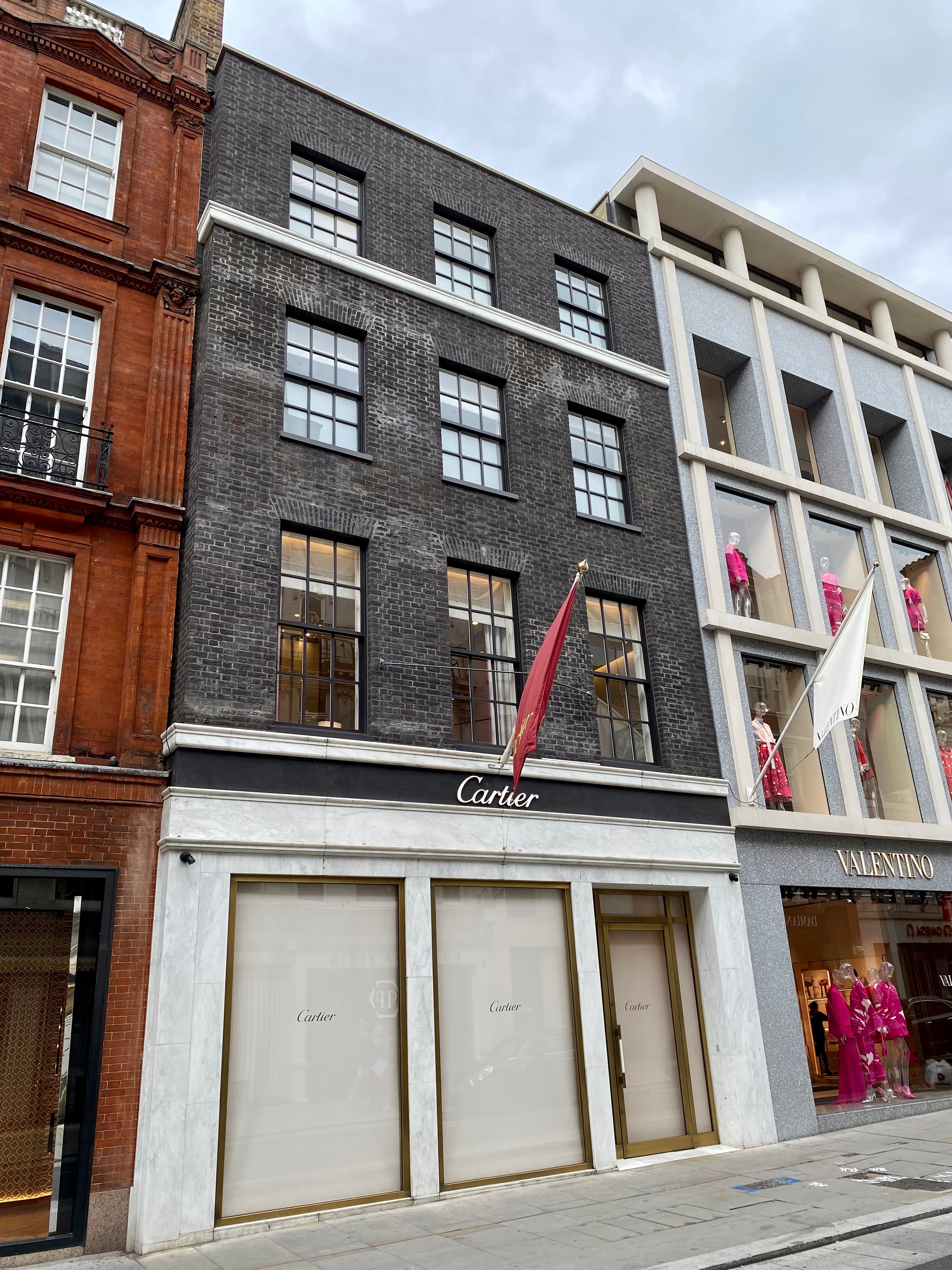
Garrard was also behind Queen Mary’s Russian Fringe Tiara (1919), worn as 'something borrowed' by both Queen Elizabeth II and Princess Beatrice on their wedding days. In 1981, Prince Charles selected Diana’s now-legendary Ceylon sapphire and diamond cluster engagement ring from Garrard’s catalogue. Today, operating from its flagship salon on Albemarle Street in Mayfair, Garrard continues to balance this sacred regal heritage with contemporary collections that celebrate British jewellery design.
THE ROYAL GALLERYS is the international magazine for heritage, culture and luxury — documenting the people, places and ideas shaping the worlds of royalty, jewellery, design, travel and contemporary life. Our editorial authority rests on deep engagement with India's cultural ecosystem and a commitment to telling the stories that matter.
For editorial inquiries, story proposals, and partnership discussions, contact our editors at hey.theroyalgallerys@gmail.com.
The Royal Gallerys Editorial
Heritage & Regalia Historian. THE ROYAL GALLERYS is the international magazine for heritage, culture and luxury — editorial authority on the people, places and ideas shaping our world.
Part of Jewellery
This article is part of THE ROYAL GALLERYS Jewellery section — our international editorial destination for jewellery, heritage and luxury.
Explore All Jewellery Stories →